

Palopo, South Sulawesi — The Undergraduate Medical Study Program, Faculty of Medicine, Universitas Hasanuddin (Unhas), conducted a community engagement program in Palopo, South Sulawesi, in April 2026 under the theme “Call to Action: Pengabdian Masyarakat berbasis Kolaborasi Interprofesional untuk Mendukung Eliminasi Tuberkulosis.”The program was designed as a collaborative community-based initiative to strengthen tuberculosis (TB) prevention and control while improving community health and well-being.
The program responded to the continuing burden of TB as a major public health challenge. Beyond its clinical impact, TB has social and economic consequences and is influenced by factors such as living conditions, socioeconomic circumstances, health literacy, access to healthcare, and stigma. The initiative therefore emphasized that TB elimination requires not only clinical interventions but also comprehensive, preventive, educational, and community-based approaches.
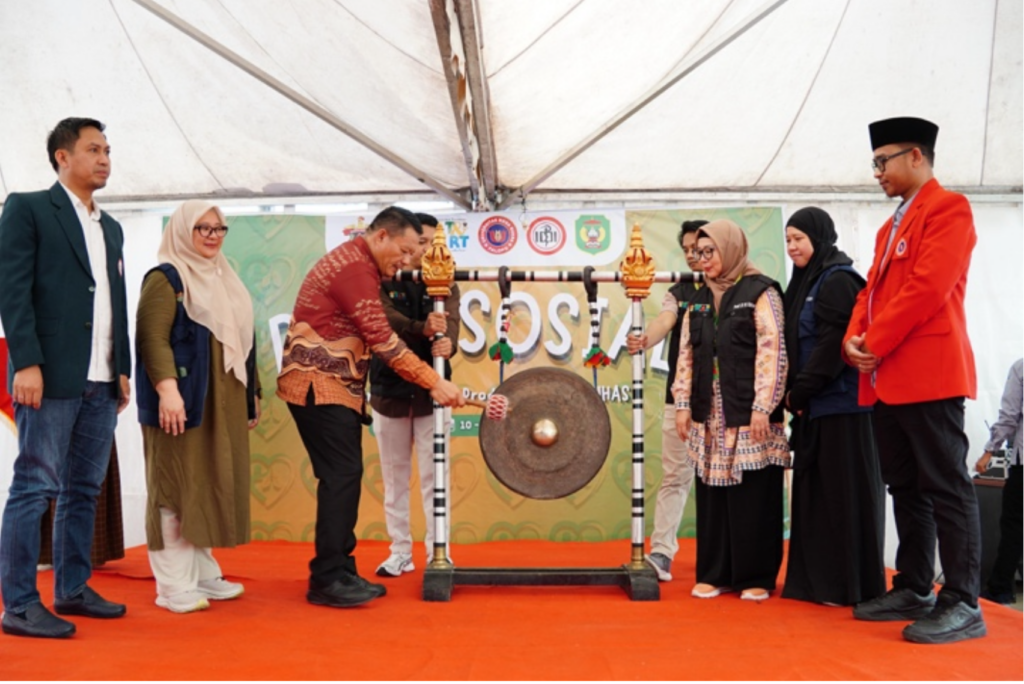
Integrated activities for TB prevention and community health
The four-day program included a range of health promotion, prevention, screening, and direct healthcare activities. These included mass circumcision, nutrition education related to TB, basic health examinations, nutrition and initial TB screening, TB and nutrition education for the community, and mentoring for community TB cadres.
A dedicated educational session was also conducted for students under the theme “Kenali Paru-Parumu: Edukasi Struktur dan Fungsi Sistem Pernapasan untuk Mencegah Penyakit TB,” accompanied by an anti-smoking and anti-vaping campaign. The activity aimed to increase awareness of respiratory health and encourage preventive behaviors among young people.
Another key component was the interprofessional TB care training for students, which equipped students with basic knowledge and skills for community-based TB control. Through collaboration among students, health professionals, educators, cadres, and community members, the program sought to strengthen a sustainable community-based approach to TB prevention and control.
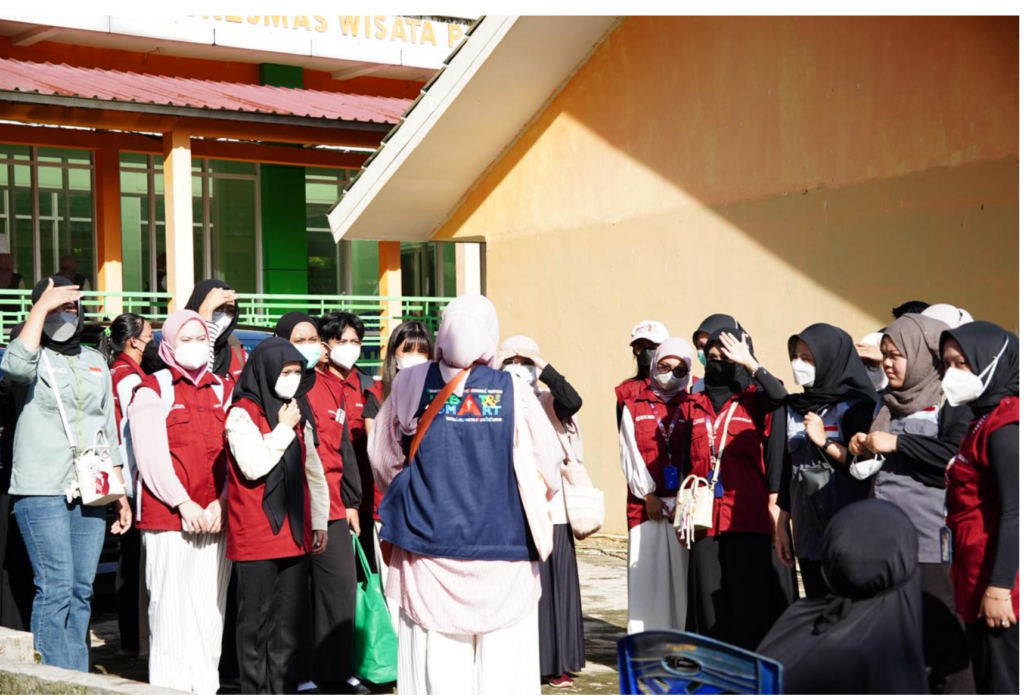
Strengthening community capacity and early detection
The program also emphasized early detection and community empowerment. Nutrition and initial TB screening involved history taking, nutritional assessment, and identification of TB risk factors. Community cadres were supported through mentoring to strengthen their roles in health education, monitoring, and referral of suspected TB cases.
The activities resulted in several important outputs, including the implementation of TB and nutrition screening, increased community awareness of TB and respiratory health, improved understanding of nutrition in relation to TB, strengthened student TB cadre capacity, and the establishment of interprofessional collaboration among students, healthcare professionals, and community members.
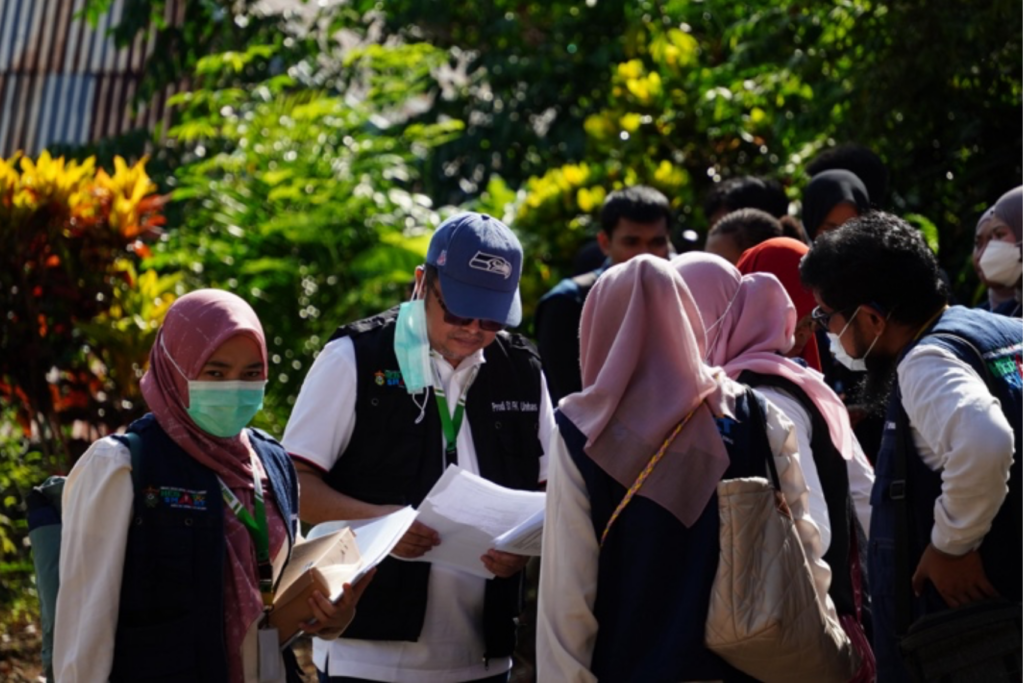
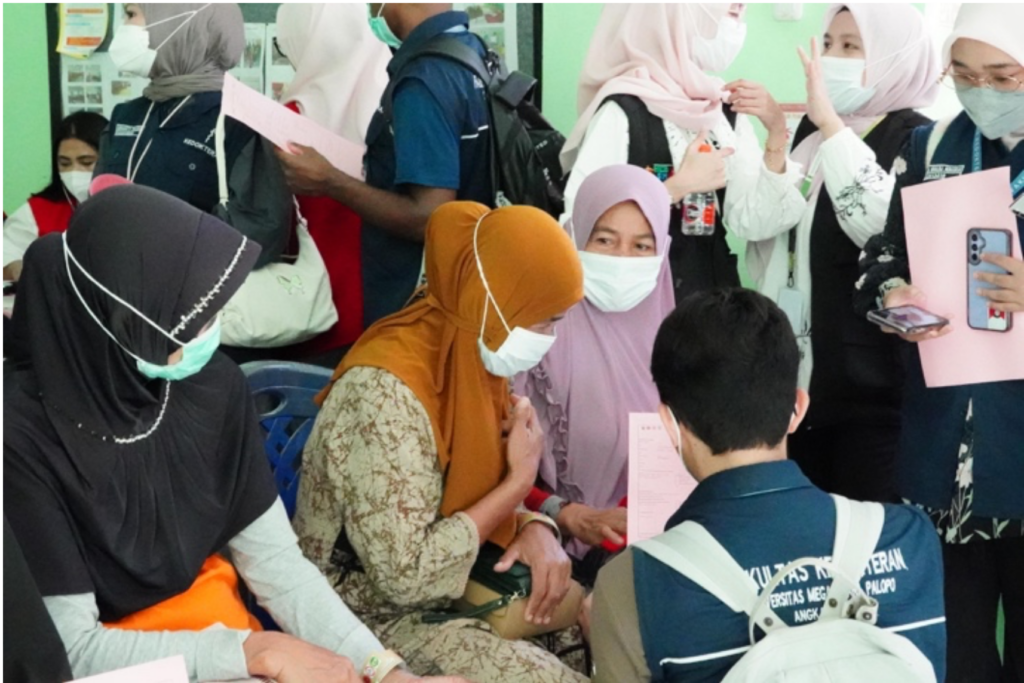
Sustaining the impact
Despite several challenges, including limited implementation time, high participant numbers, service queues, variations in community understanding, and limitations in personnel and equipment, the program provided valuable lessons for future community engagement initiatives. Recommendations include improving time and participant-flow management, increasing healthcare personnel and volunteers, developing more interactive educational approaches, strengthening continuous monitoring of TB cadres, and expanding collaboration with local stakeholders.
This community engagement program represents a strategic contribution to the Sustainable Development Goals (SDGs), particularly SDG 3 (Good Health and Well-being). By integrating health promotion, early detection, education, community empowerment, and interprofessional collaboration, the Faculty of Medicine, Universitas Hasanuddin, continues to strengthen community participation and partnerships in support of the long-term goal of TB elimination.