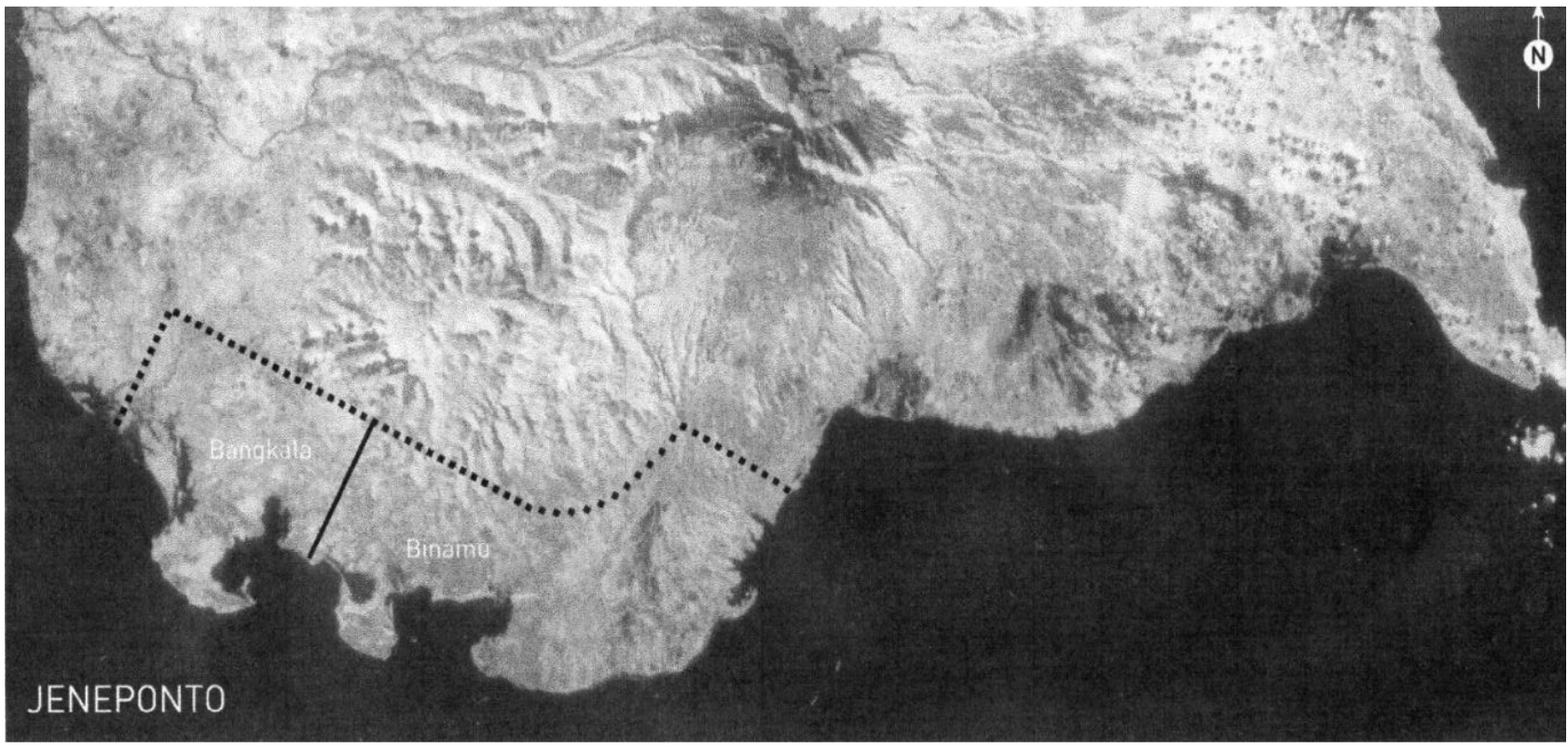

MAKASSAR, Indonesia, April 20 2026 /TRG-MCRG/ – What can ancient manuscripts teach us about solving today’s global challenges? Surprisingly, quite a lot. The story of Bangkala and Binamu, two historic kingdoms in Jeneponto, South Sulawesi, reveals how cooperation, alliances, and strategic partnerships shaped society long before the modern world existed.
Based on traditional Lontara manuscripts, as discussed in the article “Bangkala dan Binamu: Suatu Kajian Naskah Lontara’ Dalam Sosial-Politik Jeneponto Kuno” written by Muhlis Hadrawi and published in ETNOSIA: Jurnal Etnografi Indonesia Vol. 2 No. 2 (2017) by Universitas Hasanuddin on 29 December 2017, the kingdoms of Bangkala and Binamu were not isolated powers. Instead, they were deeply connected through political alliances, marriage networks, and shared cultural values. These connections were not random; they were carefully designed strategies to maintain peace, strengthen power, and ensure survival in a competitive regional landscape.
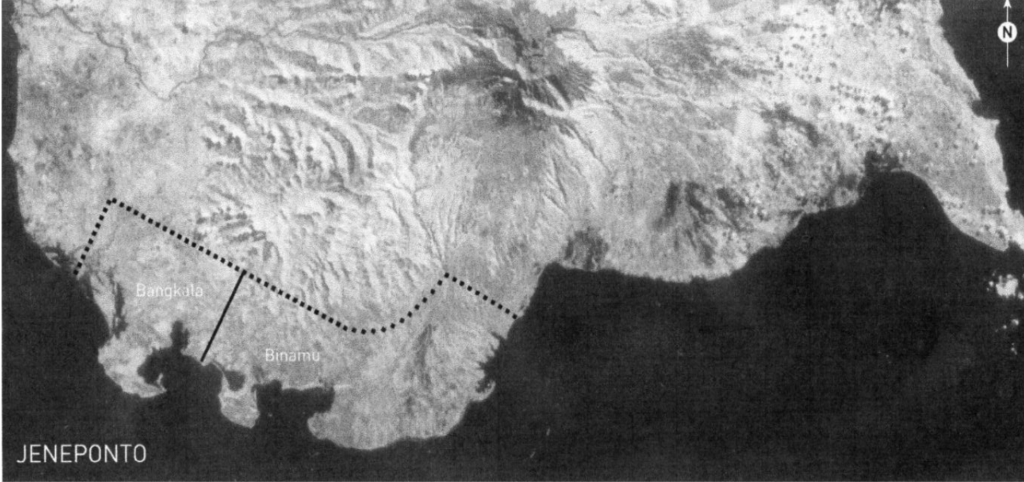
For example, Bangkala developed strong ties with the powerful Kingdom of Gowa through royal marriages. This relationship helped elevate its political status and expand its influence. Meanwhile, Binamu built alliances with other major powers such as Bone and Tallo, especially after the Makassar War in the 17th century. These partnerships allowed Binamu to rise as a dominant force in the region.
What’s fascinating is that these alliances were not only about power, they were also about trust and shared identity. Marriages between royal families created strong bonds that connected different regions and cultures. This network of relationships formed a stable system where cooperation was more valuable than conflict.
In many ways, this reflects the spirit of SDG 17: Partnerships for the Goals, which emphasises the importance of collaboration in achieving sustainable development. Just as in the past, today’s world requires strong partnerships between countries, communities, and institutions to address global issues such as poverty, climate change, and inequality.
The Lontara manuscripts also show that partnerships were not always easy. There were shifts in alliances, especially during times of war. For instance, while Bangkala remained loyal to Gowa, Binamu chose to support Bone. This decision eventually changed the balance of power in the region. It reminds us that partnerships must be adaptive, strategic, and based on shared goals.
Another important lesson is the role of local knowledge in building strong relationships. The Lontara texts, as described in the article, are not just historical records; they are cultural documents that preserve values, leadership systems, and social structures. They help us understand how communities organised themselves and worked together over centuries.
Today, these manuscripts can serve as educational tools that inspire collaboration. By learning from history, we can see that cooperation is not a new concept; it has always been a key factor in human progress. The difference is that now, the scale is global.
In conclusion, the story of Bangkala and Binamu teaches us that partnerships are powerful. Whether through ancient royal alliances or modern international cooperation, working together remains essential. By connecting the past with SDG 17: Partnerships for the Goals, we are reminded that collaboration is not just an option; it is a necessity for a better future.
Reference:
DOI: https://doi.org/10.31947/etnosia.v2i2.2577
Contact:
Prof. Dr. Muhlis Hadrawi, S.S., M.Hum.
+62 813-5545-0639
muhlisbugis@yahoo.com