
MAKASSAR, Indonesia, April 20 2026 /TRG-MCRG/ – When a global pandemic strikes, most people turn to modern science, such as vaccines, hospitals, and technology. But what if the key to surviving a health crisis also lies in traditions passed down for generations? In the Makassar community of South Sulawesi, Indonesia, local wisdom has proven to be more than just cultural heritage; it is a practical guide for staying healthy.
For centuries, the Makassar people have developed their own understanding of disease and health. They believe that illness can be caused by physical factors, germs (known locally as ku’mang), and even unseen forces. While this may sound traditional, it actually shows a surprisingly holistic view of health, combining physical, environmental, and spiritual aspects.
One of the most powerful lessons from this community is the importance of cleanliness. Long before modern health campaigns, Makassar ancestors taught their children to wash hands and feet before entering the house, change clothes after travelling, and avoid direct contact after visiting crowded places. These practices closely resemble today’s health protocols during COVID-19, such as hygiene and self-isolation.
In fact, as described on page 9 of the article, community members who return from outside activities are advised to sit briefly outside, change their clothes, and clean themselves before entering the house. This simple habit reduces the risk of bringing harmful germs inside. It’s a clear example of how traditional behaviour aligns with modern medical advice.
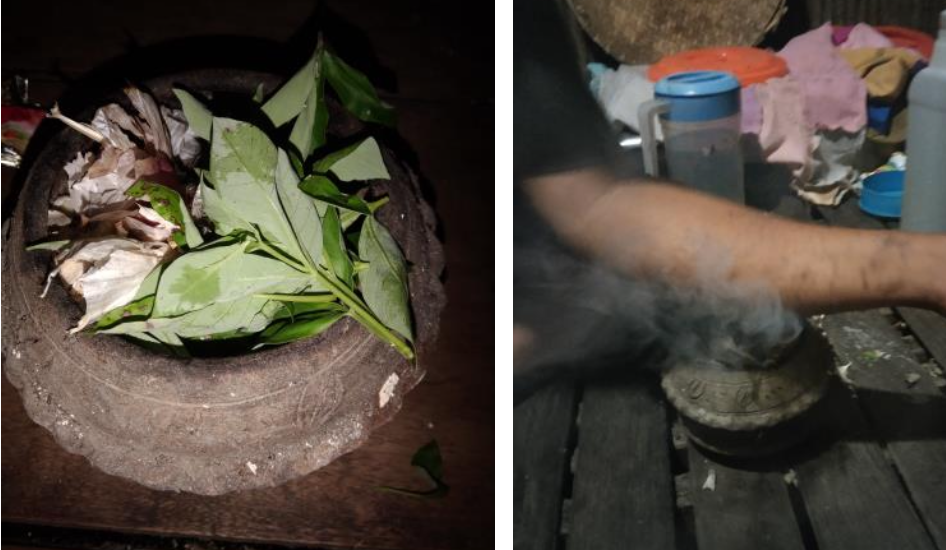
Another fascinating practice is the use of smoke from natural materials like dried leaves and onion skins. While traditionally believed to ward off negative forces, this practice also helps repel insects such as mosquitoes, reducing the spread of disease. This shows how cultural beliefs often carry hidden scientific benefits.
Local wisdom also includes structured daily habits called sarak-sarak, which guide people on how to sleep, wake up, and start their day. For instance, breathing fresh morning air is encouraged, which modern science confirms can improve oxygen intake and overall health. These routines highlight how lifestyle plays a key role in disease prevention.
This is why the Makassar experience strongly connects to SDG 3: Good Health and Well-being. Achieving good health is not only about access to medical services but also about behavior, awareness, and community practices. The Makassar community demonstrates that combining local knowledge with modern health strategies can create a stronger and more resilient society.
Interestingly, during the COVID-19 pandemic, the village of Belang-Belang recorded very low infection rates, with all reported cases successfully recovering. This success reflects how deeply rooted local practices can enhance community immunity and the response to global health threats.
In today’s fast-changing world, we often overlook traditional knowledge. Yet, as this example shows, local wisdom is not outdated; it is relevant, practical, and effective. By learning from these traditions and integrating them with modern science, we can build a healthier future.
In conclusion, the story of the Makassar community reminds us that health solutions do not always come from laboratories alone. Sometimes, they come from culture, habits, and the wisdom of our ancestors, quietly guiding us toward better living.
Article Metadata Source:
- Title: The Local Wisdom of Contagious Epidemic Prevention in the Makassar Community
- Journal: International Journal of Creative Future and Heritage (TENIAT)
- Publisher: Universiti Malaysia Kelantan
- Publication Date: 31 March 2023
Reference:
DOI: https://doi.org/10.47252/teniat.v11i1.934
Contact:
Prof. Dr. Muhlis Hadrawi, S.S., M.Hum.
+62 813-5545-0639
muhlisbugis@yahoo.com