
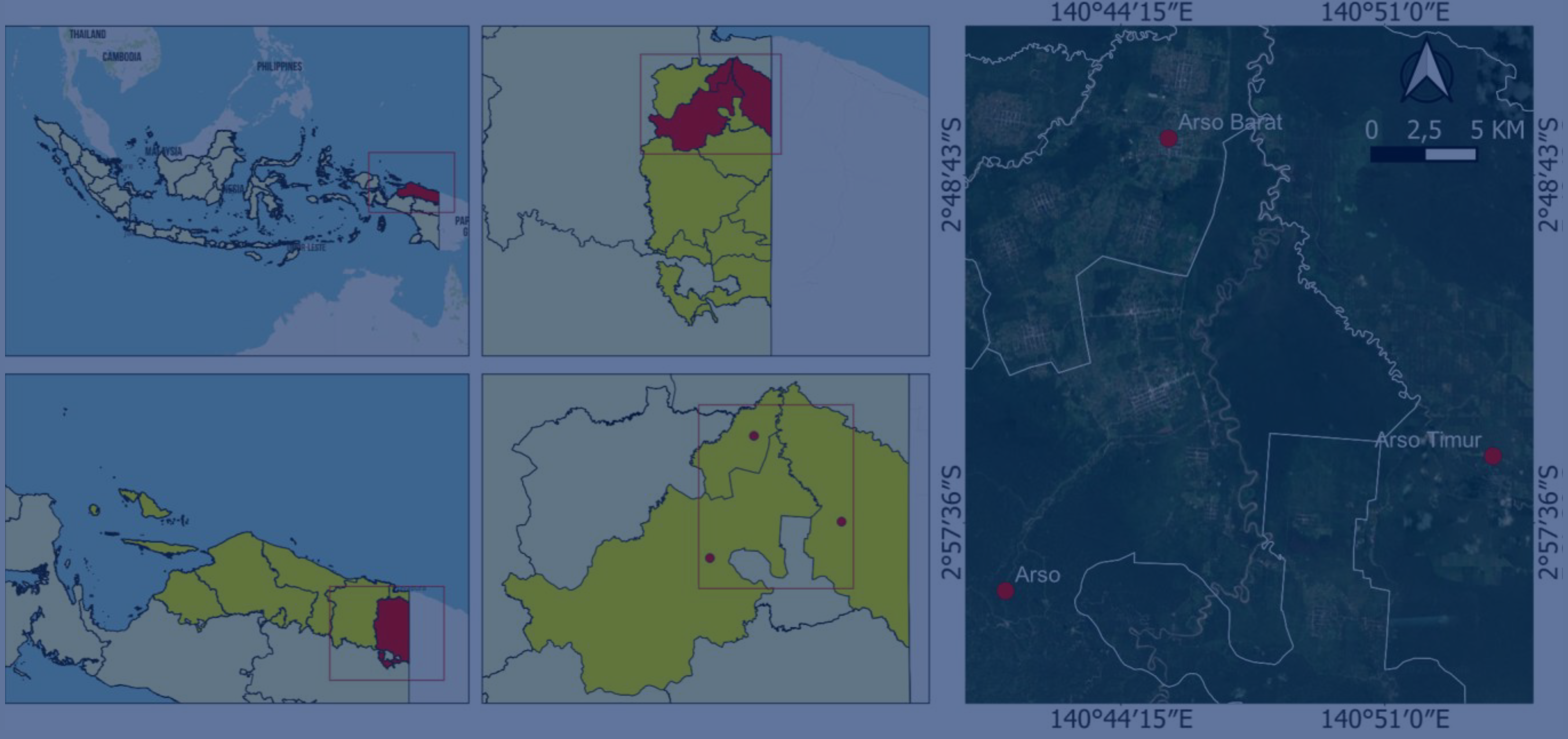

MAKASSAR, Indonesia Apr 24 2026/MALRESVEK/ – In many parts of Papua, Indonesia, malaria is still a daily concern. For years, people have relied on tools like insecticide-treated bed nets and indoor spraying to protect themselves from mosquito bites. These methods have saved countless lives. But what happens when mosquitoes begin to resist these chemicals?
This question is at the heart of a study titled “Susceptibility of the Punctulatus group (Diptera: Culicidae) to insecticide carbamate in Papua, Indonesia”, published in the journal Biodiversitas by the Society for Indonesian Biodiversity in March 2025. The study explores whether a group of malaria-carrying mosquitoes, known as the Punctulatus group, can still be controlled using a type of insecticide called carbamate.
Why is this important? Because not all insecticides work forever.
Over time, mosquitoes can adapt. Many have already become resistant to commonly used insecticides, especially pyrethroids, which are widely used in bed nets. This resistance makes it harder to control malaria. As a result, scientists are looking for alternative solutions, such as carbamate-based insecticides used in indoor spraying.
The good news from this study is encouraging. Researchers found that the mosquito group in Papua is still fully affected by carbamate. In simple terms, when exposed to this insecticide, all tested mosquitoes died. This means carbamate could still be an effective tool for malaria control in these areas.
But the story does not end there.
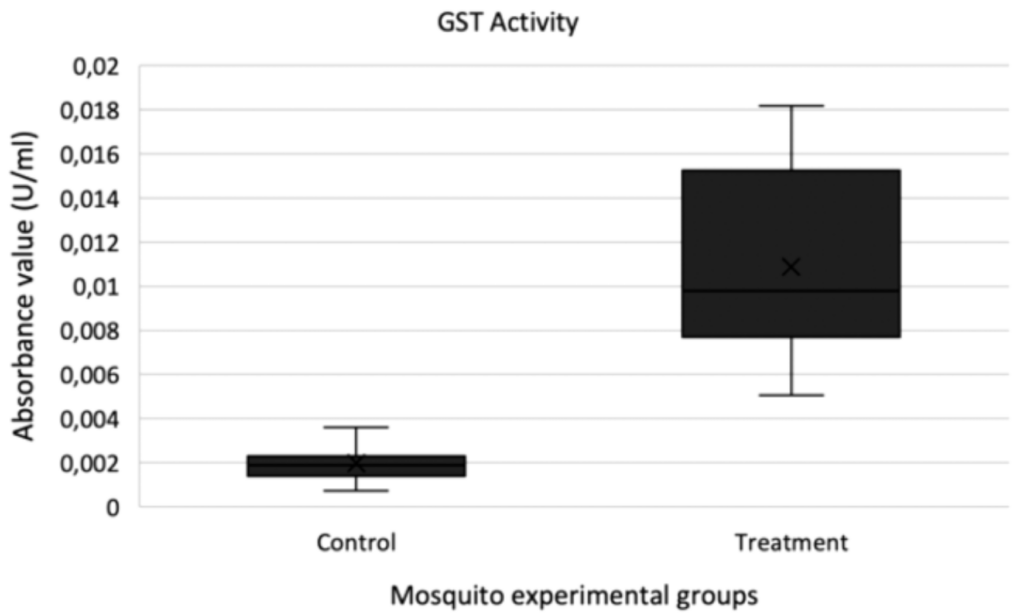
Even though the mosquitoes were killed, the study found early warning signs. The mosquitoes showed increased activity of certain enzymes in their bodies. These enzymes help break down harmful substances, including insecticides. This suggests that mosquitoes may be starting to develop resistance, even if it is not yet visible in their survival rates. Below is one finding showing that mosquitoes exposed to the insecticide had higher GST activity (detoxification) than those not exposed. This means they were working harder to remove the chemical. Such increased activity may be an early sign of mosquitoes adapting to insecticides, even though they remain susceptible to bendiocarb.
Think of it like this: the mosquitoes are not resistant yet, but they are “learning” how to survive.
This finding is important because it reminds us that malaria control is not a one-time solution. It requires constant monitoring and adaptation. If resistance is not detected early, control efforts can fail without warning.
This issue is closely connected to Sustainable Development Goal (SDG) 3: Good Health and Well-being, which aims to reduce the burden of diseases like malaria. Effective mosquito control plays a key role in protecting communities, improving quality of life, and reducing healthcare costs.
The study also highlights the importance of science and collaboration. As part of a joint project involving Universitas Indonesia, Eijkman Research Center for Molecular Biology under National Research and Innovation Agency, and Universitas Hasanuddin, researchers used different methods—from simple exposure tests to advanced genetic analysis—to understand how mosquitoes respond to insecticides. This kind of work helps policymakers choose the right tools and avoid ineffective strategies.
For the general public, the message is clear: fighting malaria is not just about using tools, but about staying one step ahead of the disease.
Mosquitoes may be small, but they are constantly adapting. And if we want to protect communities, we must continue to learn, monitor, and respond.
Because in the fight against malaria, standing still is not an option.
Reference
DOI: 10.13057/biodiv/d260338
Contact: Prof. dr. Din Syafruddin, Ph.D
+62 811-9898-766
dinkarim@yahoo.com; syafruddin@unhas.ac.id


