

MAKASSAR, Indonesia Apr 24 2026/MALRESVEK/ – As the sun sets in parts of Papua, Indonesia, families begin their evening routines—children play outside, parents prepare dinner, and conversations continue under the fading light. It feels ordinary. Safe, even. But in these quiet moments, something almost invisible begins to happen: mosquitoes start to bite.
Most people think malaria only becomes a risk when you sleep without a bed net. So, many families carefully use insecticide-treated nets every night. They believe they are protected. But what if the danger doesn’t wait until bedtime?
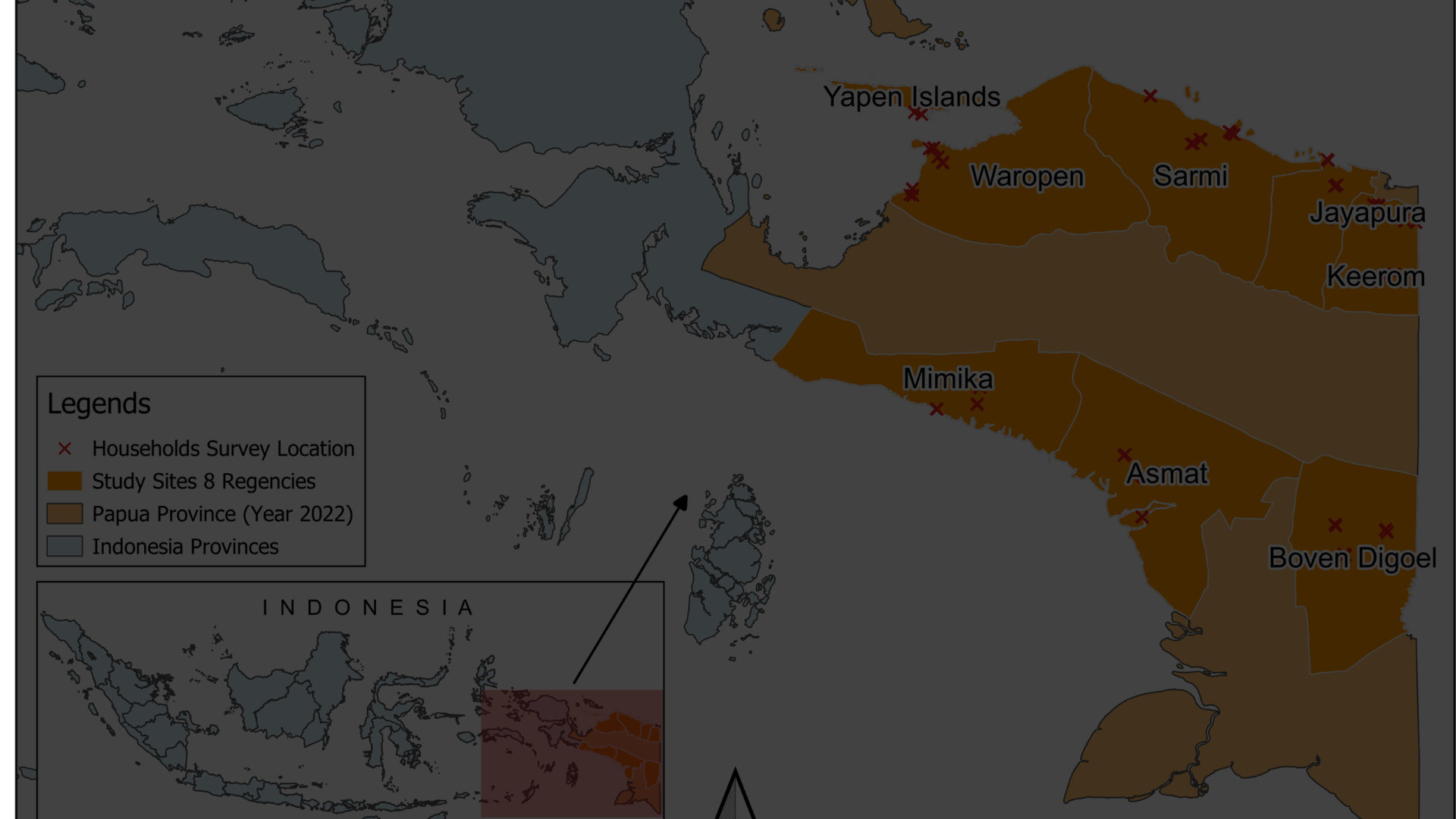
A recent study, “Gaps in protection to Anopheles exposure in high malaria endemic regencies of Papua Province, Indonesia,” published in PLOS ONE by PLOS on April 11, 2025, reveals a surprising truth. Even when people follow prevention advice, they may still be exposed to malaria-carrying mosquitoes.
The reason is simple—but often overlooked. Mosquitoes do not follow human schedules.
In several areas studied, many mosquito bites happen in the early evening or early morning, when people are still active and not under bed nets. Some mosquitoes have even adapted to bite outdoors, where nets offer no protection at all. This means that protection strategies, although helpful, do not fully match real-life situations.
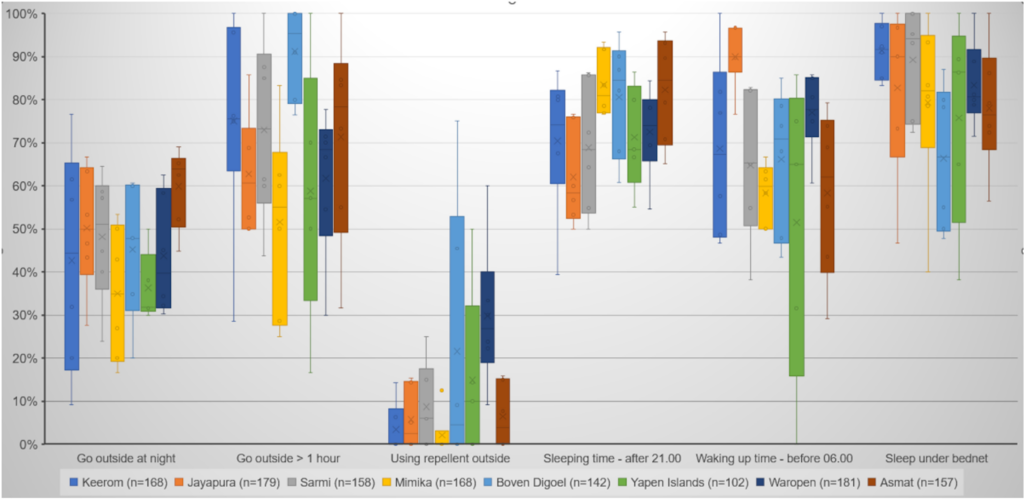
The chart below shows that many people spend time outside at night, and often for more than one hour. However, only a small number use mosquito repellent while outside. Most people go to sleep after 9 PM and wake up early before 6 AM. Although many people (around 82%) sleep under bed nets, the time they spend outside at night without protection increases their risk of being bitten by mosquitoes.
For someone who has never experienced malaria, this might sound like a small gap. But for families living in these areas, the impact is real. A single mosquito bite can lead to days of fever, weakness, and missed work or school. Over time, this affects not only health but also income and education.
This is why the issue goes beyond health alone. It connects to several Sustainable Development Goals (SDGs): SDG 3: Good Health and Well-being – because preventing malaria means protecting lives, SDG 4: Quality Education – since sick children often miss school, SDG 15: Life on Land – by understanding how mosquitoes interact with their environment, SDG 17: Partnerships for the Goals – because solving this problem requires collaboration across sectors
The study reminds us of something important: solving complex problems is not just about having solutions, but about making sure those solutions truly fit people’s daily lives.
So, what can be done?
Experts suggest looking beyond bed nets alone. This could include better outdoor protection, community awareness, and continued research to understand how mosquito behavior is changing. Most importantly, it requires listening to local communities and adapting strategies to match how people actually live.
Because in the end, malaria prevention is not just about science—it is about people.
And sometimes, the biggest risks are not the ones we see, but the ones we assume are already solved.
Reference
DOI: 10.1371/journal.pone.0311076
Contact: Prof. dr. Din Syafruddin, Ph.D
+62 811-9898-766
dinkarim@yahoo.com; syafruddin@unhas.ac.id


