

MAKASSAR, Indonesia April 9 2026/LIMAR/ – In today’s rapidly evolving world, materials science plays a crucial role in shaping a more efficient and sustainable future. From transportation to manufacturing, the demand for materials that are stronger, lighter, and more durable continues to grow. A recent study published in the Journal of Mechanical Engineering and Sciences highlights an exciting breakthrough: improving aluminum by combining it with silicon carbide (SiC) and nickel.
Aluminum is one of the most widely used materials because it is lightweight and relatively affordable. However, it has a significant weakness—it is not very hard and tends to wear out quickly. This limitation can reduce the lifespan of products, especially in industries such as automotive and heavy machinery where durability is essential.
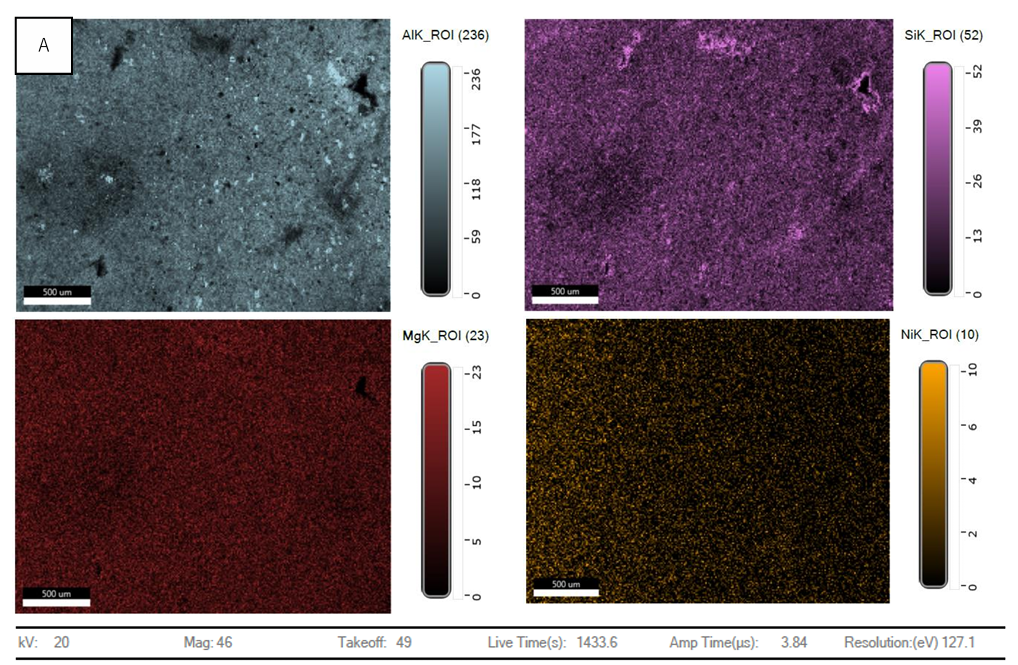
To overcome this issue, researchers developed an Aluminum Matrix Composite (AMC). In simple terms, this means aluminum is reinforced with other materials to enhance its properties. In this case, silicon carbide—a very hard ceramic—was added along with small amounts of nickel to strengthen the aluminum.
The results were remarkable. Adding nickel significantly improved the hardness, strength, and wear resistance of the material. For instance, aluminum reinforced with SiC and 5% nickel showed much higher durability compared to ordinary aluminum. This means that components made from this material can last longer and require less frequent replacement or maintenance.

The study also revealed an interesting detail: different types of aluminum respond differently to reinforcement. Aluminum 2024 demonstrated better hardness and wear resistance, while Aluminum 6061 showed higher tensile strength, meaning it can better withstand pulling forces. This finding is important because it allows engineers to select materials based on specific needs and applications.
So, why is this important beyond engineering?
This innovation strongly supports Sustainable Development Goal (SDG) 3: Good Health and Well-being. Stronger and more reliable materials can improve the safety of vehicles, machinery, and infrastructure. When materials fail, accidents can happen. By using more durable materials, the risk of mechanical failure decreases, helping protect human lives.
In addition, this research aligns with Sustainable Development Goal (SDG) 4: Quality Education. Studies like this provide valuable knowledge for students, engineers, and researchers. By understanding how materials can be improved at the microscopic level, future professionals can develop better technologies and solutions for real-world problems.
Beyond safety and education, the benefits are also practical. Longer-lasting materials reduce the need for frequent replacements, saving costs and resources. This makes industrial processes more efficient and sustainable over time.
In conclusion, this study demonstrates that small changes—such as adding nickel to aluminum composites—can lead to significant improvements in performance. It is a clear example of how science and engineering can work together to create safer, smarter, and more reliable materials.
Reference
DOI: https://doi.org/10.15282/jmes.19.4.2025.1.0849
Contact:
Muhammad Syahid
+62 852-5563-1651
syahid@unhas.ac.id


