


MAKASSAR, Indonesia April 9 2026/LIMAR/ – What if waste metal could become stronger, cleaner, and more valuable than ever before? This question drives modern research in recycling technology, especially for aluminum—one of the most widely used metals in the world.
A recent study published in the International Journal of Metalcasting introduces an innovative method to improve aluminum recycling by removing harmful iron impurities. This breakthrough could transform how we reuse metal and reduce environmental damage.
Aluminum is everywhere—from car parts to beverage cans. One of its biggest advantages is that it can be recycled over and over again without losing its basic properties. Even better, recycling aluminum requires only about 5% of the energy needed to produce new aluminum from raw materials. However, there is a major challenge: contamination.
During recycling, unwanted elements like iron often mix into aluminum. While it may seem insignificant, iron can weaken the material. It forms hard and brittle structures inside the metal, reducing its strength and making it less reliable for industrial use.
To overcome this problem, researchers developed a clever method that combines magnetic force and gravity. They used a special magnet made of samarium-cobalt (SmCo) to attract iron-rich particles during the melting process. At the same time, gravity helps pull heavier impurities downward, separating them from the cleaner aluminum.
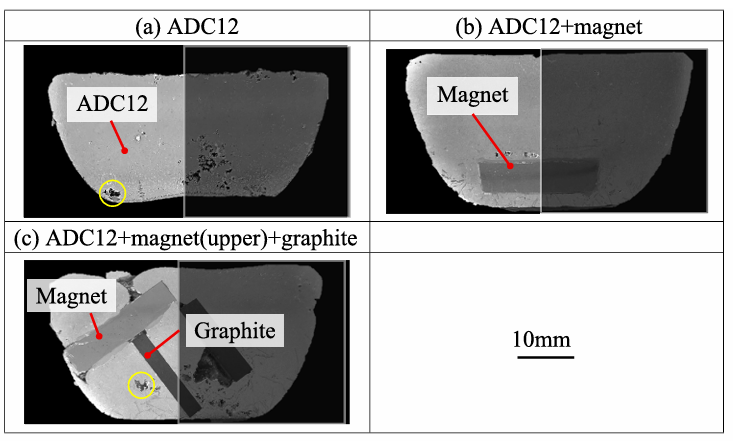
The results are impressive. The study found that iron-rich compounds—especially those containing iron, chromium, and silicon—can be effectively removed using this technique. These impurities either gather near the magnet or settle at the bottom due to their higher density.
The researchers also discovered that heating aluminum at around 577°C for a longer time allows iron particles to grow larger. This makes them easier to separate, improving the overall efficiency of the process.
Why is this important?
This innovation strongly supports Sustainable Development Goal (SDG) 14: Life Below Water. Industrial waste, including contaminated metals, can end up in rivers and oceans, harming marine ecosystems. By improving recycling processes and reducing metal contamination, we can help prevent pollution that threatens aquatic life.
Cleaner recycling also means less mining of new raw materials, which often damages natural habitats and leads to water pollution. In this way, better aluminum recycling not only improves material quality but also protects the environment—especially our oceans.
Beyond environmental benefits, this research highlights the importance of collaboration between scientists and engineers, aligning with SDG 17: Partnerships for the Goals. Solving global challenges like waste management requires shared knowledge and innovation across disciplines.
In conclusion, combining magnetic and gravitational separation offers a simple yet powerful solution to a complex problem. It shows that with the right approach, waste can become a valuable resource. This is not just about recycling—it’s about rethinking how we use materials to build a cleaner and more sustainable future.
Reference:
DOI: https://doi.org/10.1007/s40962-025-01749-7
Contact:
Muhammad Syahid
+62 852-5563-1651
syahid@unhas.ac.id


