
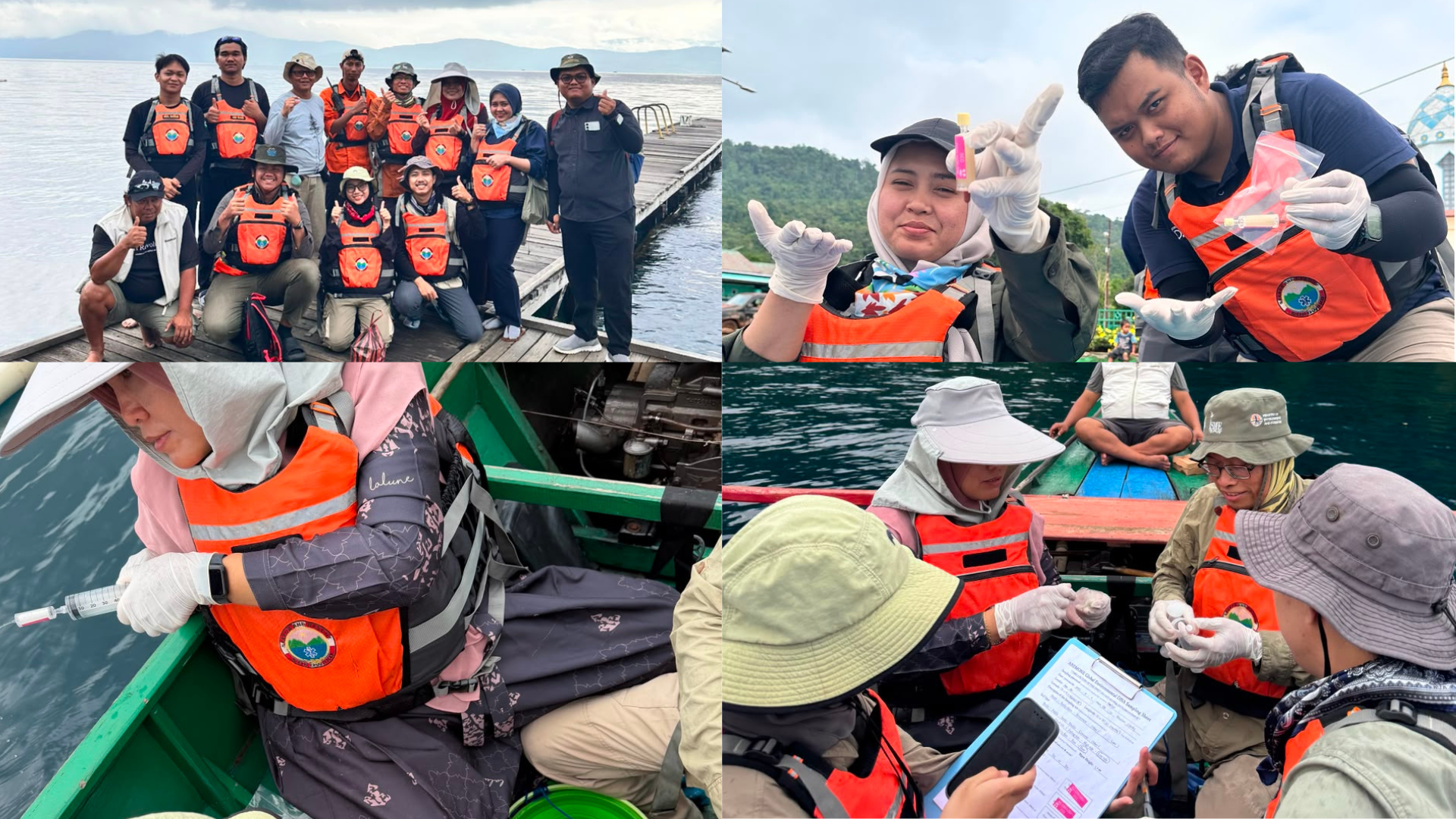

Sorowako, South Sulawesi – 6/6/2026. On Thursday, 4 June 2026 to Friday-5 June 2026, a collaborative biodiversity monitoring activity was carried out at Lake Matano, Sorowako, involving PT Vale, the Natural Heritage and Biodiversity Research Center of LPPM Universitas Hasanuddin, and LPPM Universitas Sumatera Utara. The activity, entitled “Collaborative e-DNA Monitoring at Lake Matano with PT Vale, UNHAS, and USU,” aimed to support PT Vale’s commitment to monitoring and protecting the biodiversity of Lake Matano through a scientific, collaborative, and technology-based approach.
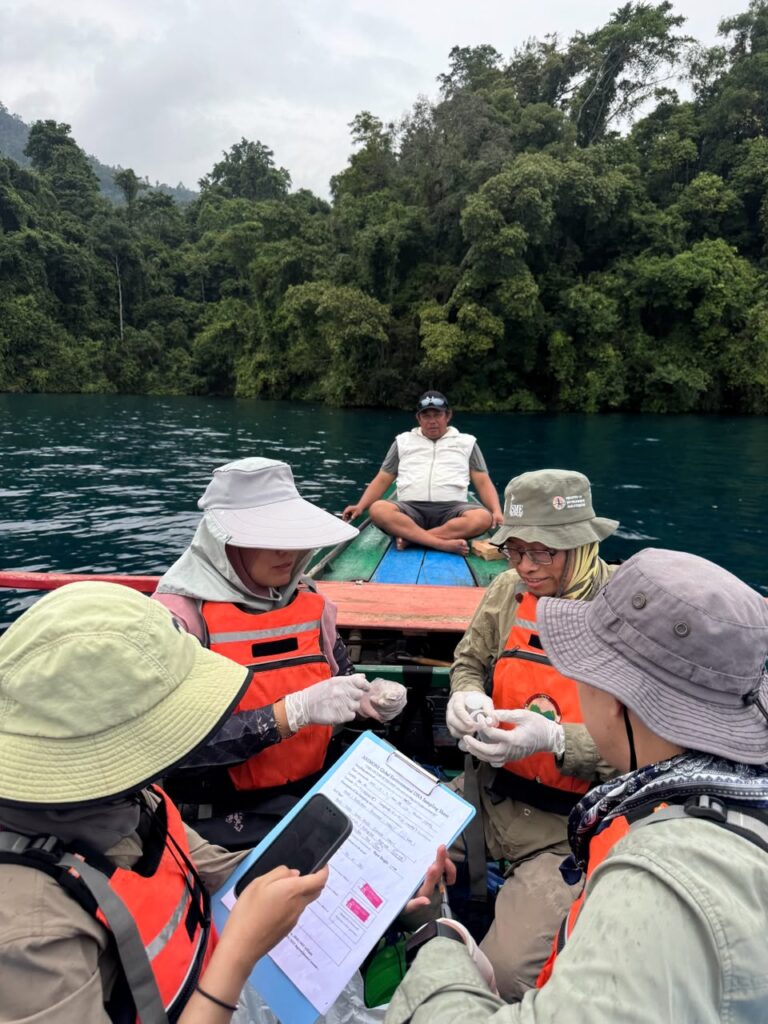
Lake Matano is one of Indonesia’s most valuable ancient lakes, known for its unique freshwater ecosystem and high biodiversity. As an area closely connected to local communities, scientific research, and environmental management, Lake Matano requires continuous monitoring to ensure that its ecological balance is maintained. Through this activity, the research team applied environmental DNA, or e-DNA, as an innovative method to detect the presence of organisms through genetic materials found in water samples. This approach allows researchers to identify aquatic biodiversity without directly disturbing the organisms or their habitat.
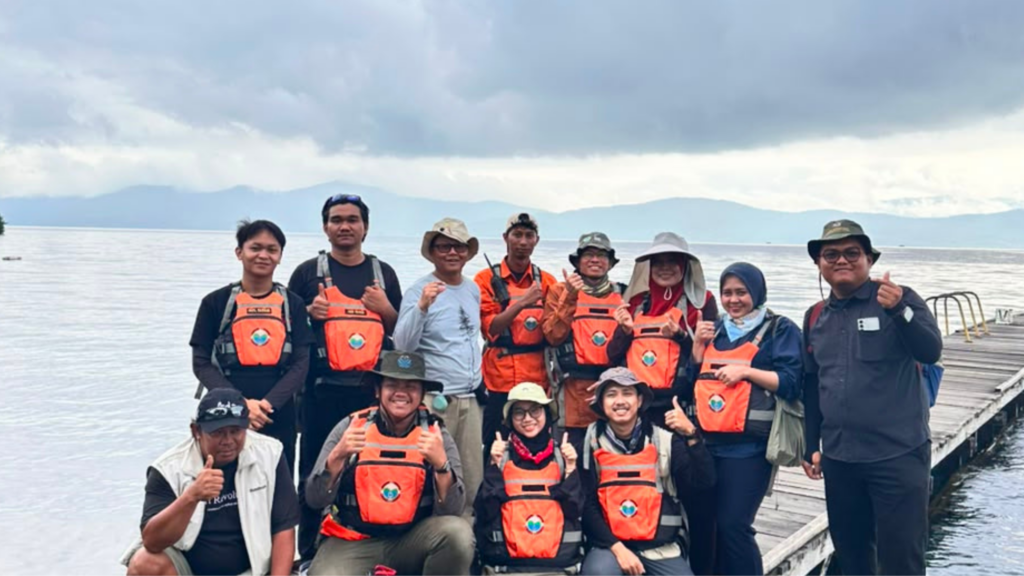
The collaboration brought together experts, researchers, and field participants from different institutions. The participants included Vale Team: Mr. Andri, Rizky Wahyu, Syifa and Ilham., UNHAS Team: Prof. Dr. Ir. Siti Halimah Larekeng, SP., MP., Iswanto, M.Hut., Sri Wahyuni Jufri, M. Hut., and Rachel Aulia Riany, S. Hut., USU Team: Prof. Basyuni and Mrs. Hidayah,. Their involvement reflected the importance of interdisciplinary cooperation in strengthening environmental research and biodiversity conservation.
This activity is closely aligned with several Sustainable Development Goals, especially SDG 1: No Poverty, SDG 4: Quality Education, SDG 14: Life Below Water, SDG 15: Life on Land, and SDG 17: Partnerships for the Goals. Through biodiversity monitoring, the activity contributes to SDG 1 by supporting sustainable natural resource management that can benefit communities around Lake Matano. It supports SDG 4 by creating opportunities for knowledge sharing, field learning, and scientific capacity building among researchers and young participants. The use of e-DNA technology also strengthens public understanding of modern conservation science.
Furthermore, this activity directly supports SDG 14 by helping to monitor aquatic life and protect freshwater ecosystems, while also contributing to SDG 15 through broader biodiversity conservation efforts in the surrounding landscape. Most importantly, the collaboration among PT Vale, UNHAS, and USU represents the spirit of SDG 17, where strong partnerships are essential to address environmental challenges.
Through this joint monitoring activity, Lake Matano is not only seen as a research location, but also as a living ecosystem that must be protected through science, responsibility, and cooperation. The collaboration demonstrates that biodiversity