
The Faculty of Agriculture, Universitas Hasanuddin (Unhas), and the Department of Biosciences, Faculty of Science, Universiti Teknologi Malaysia (UTM), conducted a collaborative field visit to explore opportunities for the sustainable development of porang (Amorphophallus muelleri) in Sidenreng Rappang Regency, South Sulawesi. The activity was carried out on 5–8 July 2026 as part of an initiative to strengthen international academic collaboration in education, research, community engagement, innovation, and agricultural commercialization.
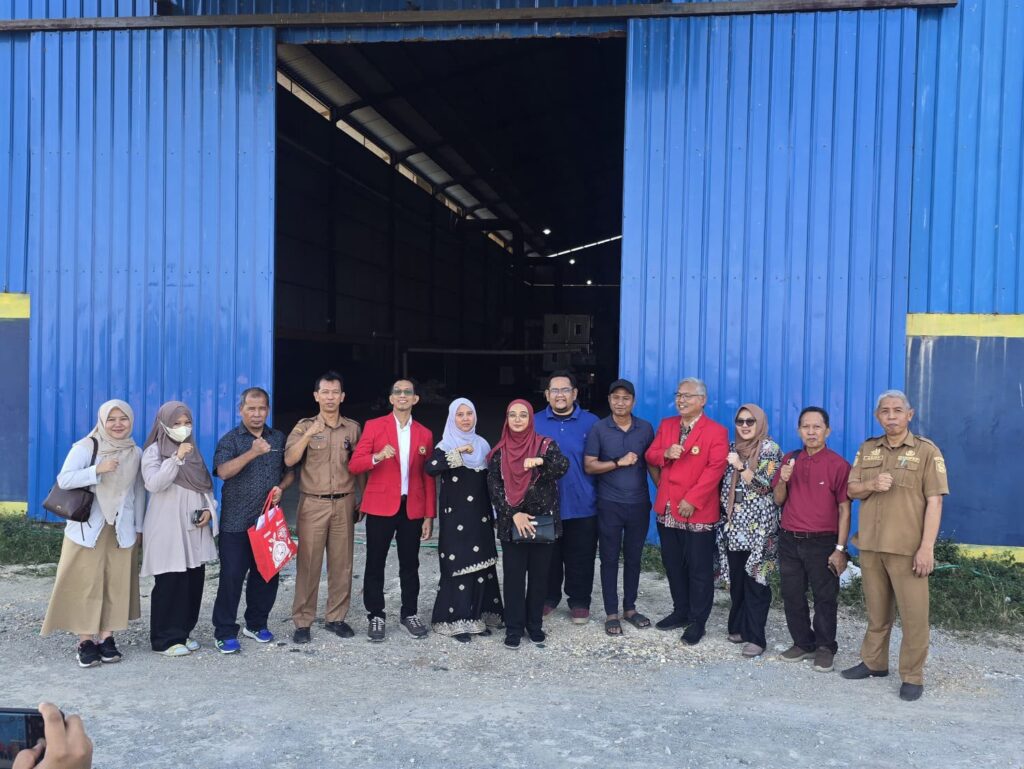
The main objective of the activity was to initiate cooperation between Unhas and UTM while introducing the potential of porang cultivation and processing in Sidenreng Rappang. The activity also aimed to identify opportunities for joint research, academic exchange, technological development, downstream processing, and the expansion of porang markets in Southeast Asia. Porang was considered a strategic agricultural commodity with potential applications as an alternative crop and industrial raw material, as well as opportunities for broader market development.
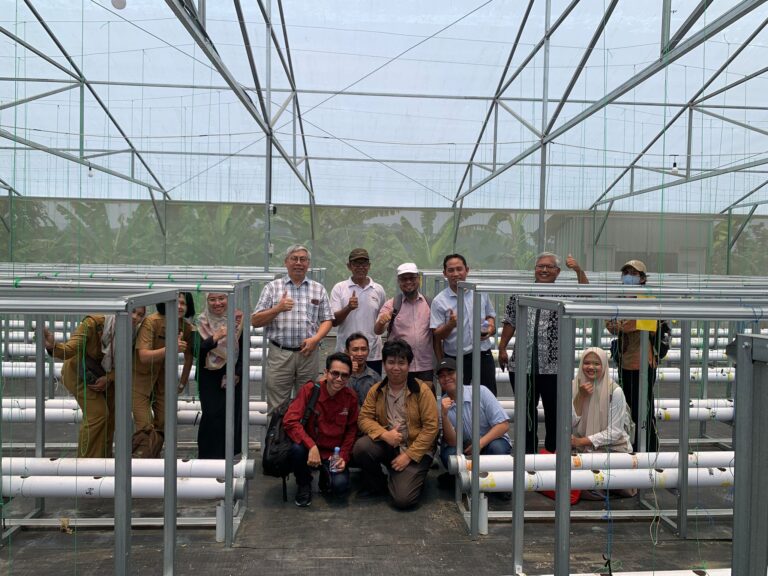
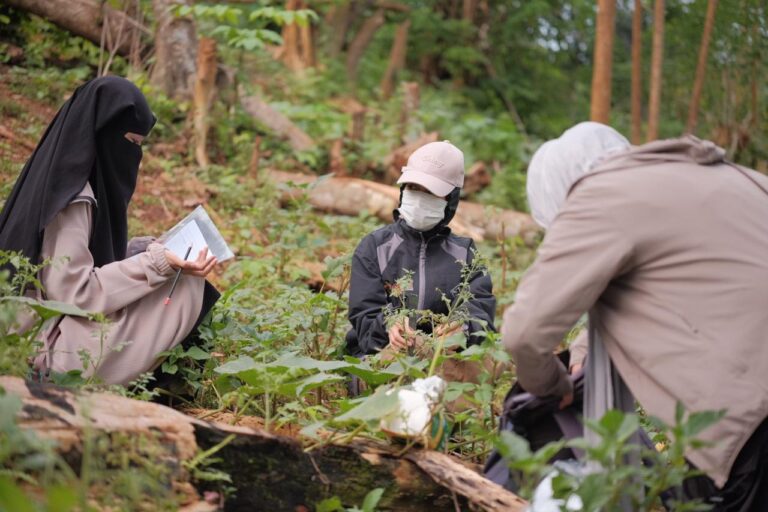
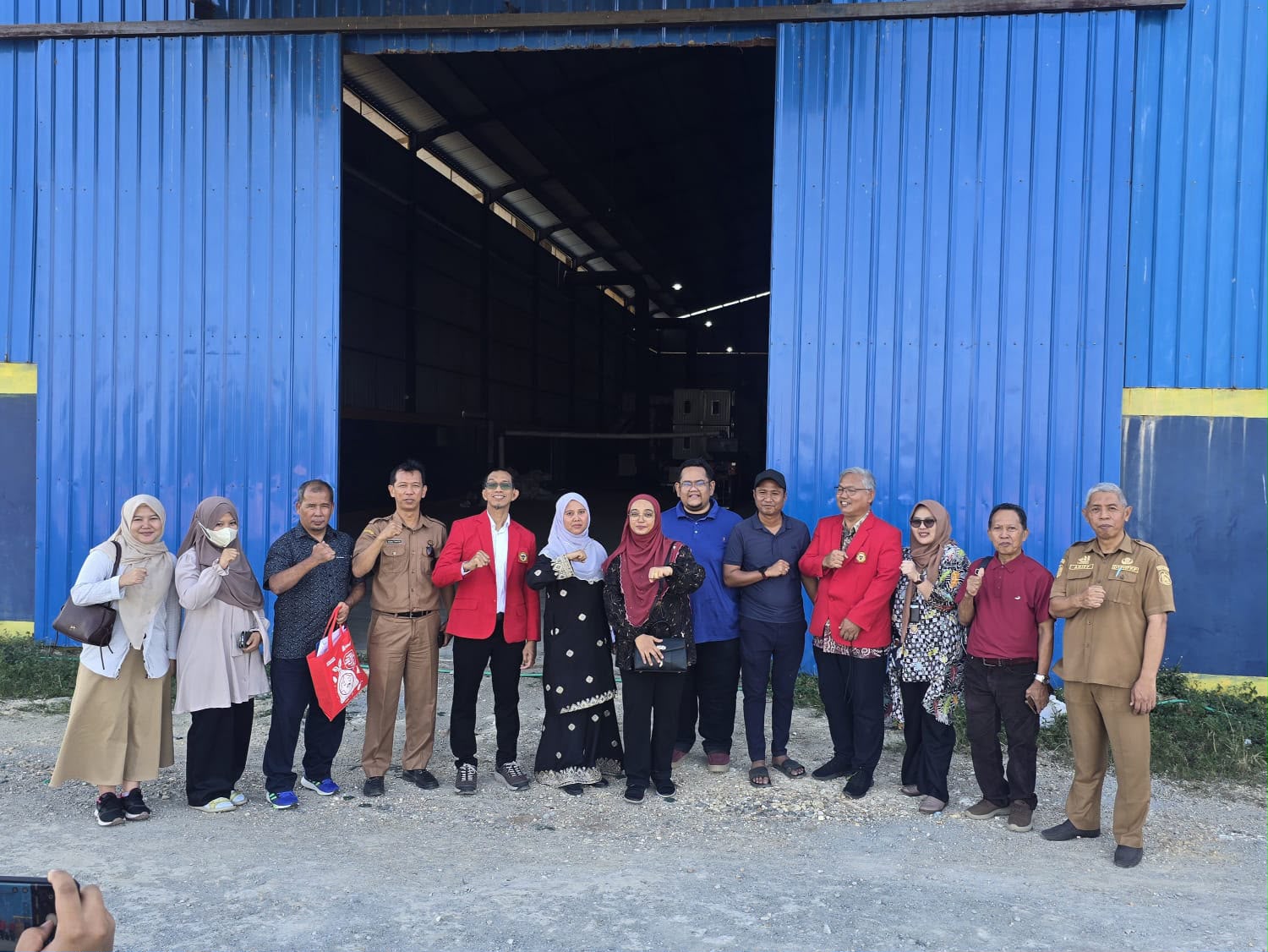
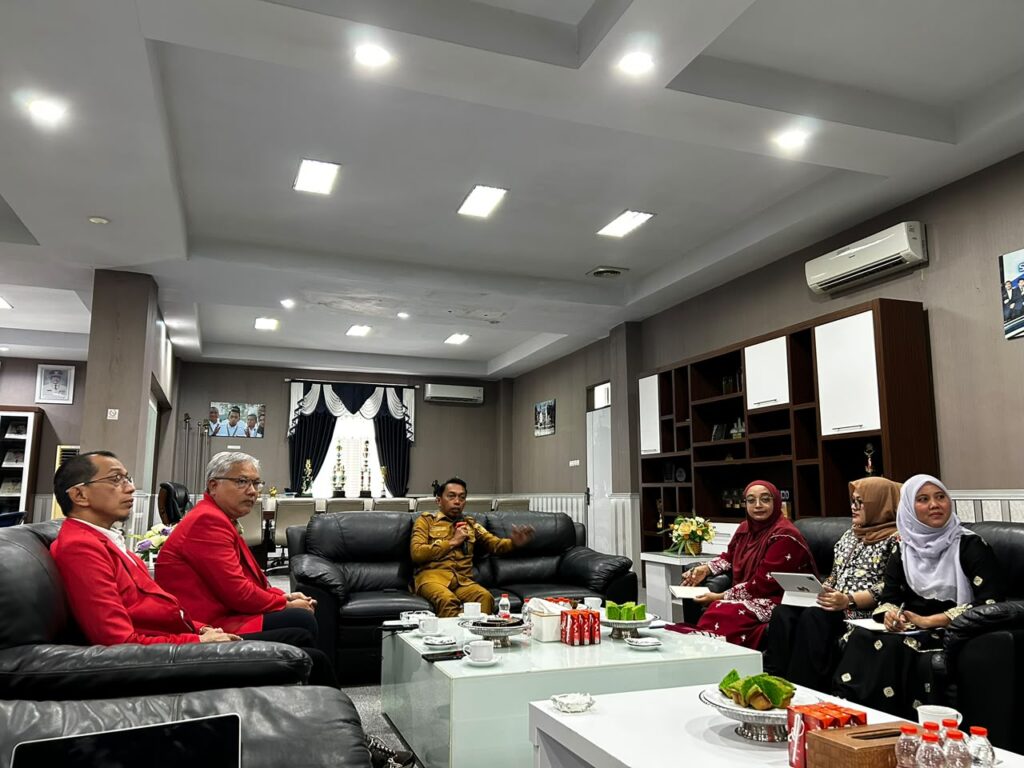
The activity involved 10 members of the joint Unhas–UTM delegation, consisting of five representatives from the Faculty of Agriculture, Universitas Hasanuddin, and five representatives from the Department of Biosciences, Faculty of Science, UTM. The delegation was supported by interactions with the Government of Sidenreng Rappang Regency, local agricultural stakeholders, and porang farmers. The program began with an official meeting with the Sidenreng Rappang Regency Government to discuss opportunities for collaboration in porang cultivation, research, downstream development, and marketing. The delegation subsequently visited porang cultivation centers and processing facilities to gain first-hand insights into local production systems and the economic potential of the commodity. Technical discussions were also conducted with farmers and stakeholders to explore research opportunities, cultivation technologies, and potential applications of porang in industry and the Malaysian market.
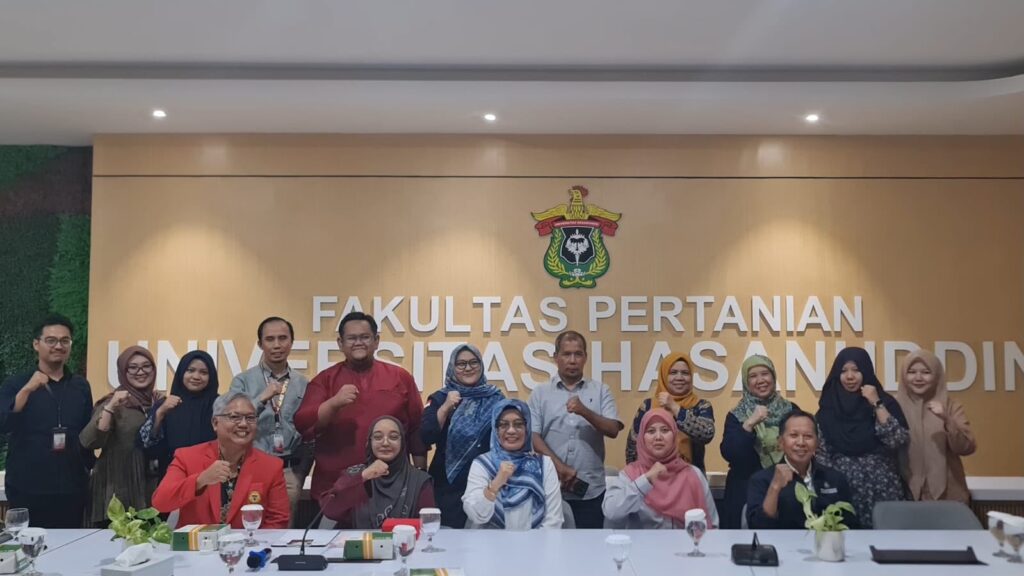
The initiative contributes to Sustainable Development Goal (SDG) 1: No Poverty by supporting agricultural innovation and market development that may strengthen rural economic opportunities. It also advances SDG 4: Quality Education through international academic interaction, field-based learning, knowledge exchange, and opportunities for collaborative research. Most importantly, the activity directly reflects SDG 17: Partnerships for the Goals by bringing together universities, government, researchers, and farmers to address agricultural development through partnership.
The activity also supports SDG 15: Life on Land by encouraging research and agricultural development that consider sustainable land utilization and the potential diversification of agricultural commodities. The collaboration resulted in stronger communication and international networking, increased understanding of porang development potential, and opportunities for joint research, academic exchange, and Southeast Asian market development. The participating institutions also identified the preparation of a Memorandum of Understanding (MoU) and Memorandum of Agreement (MoA) as important follow-up actions.
Through this initiative, Sidenreng Rappang serves as a valuable meeting point between scientific knowledge, local agricultural experience, and international collaboration, creating a foundation for sustainable porang development and broader agricultural innovation.