



Description
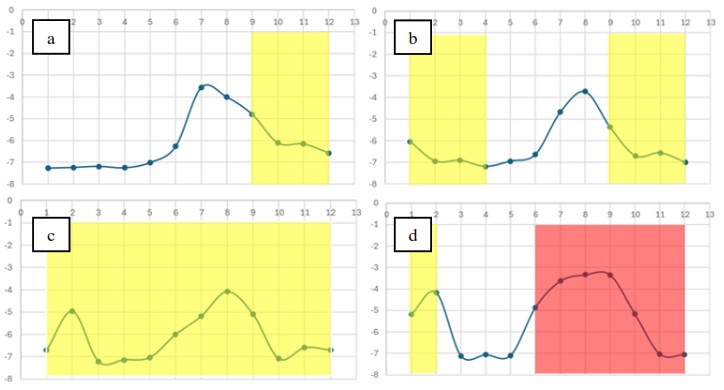
This study analyzes the relationship between oceanographic parameters and the distribution of skipjack tuna in Bone Bay - Flores Sea. Using sea surface temperature and chlorophyll-a data, the research identifies fish movement patterns and potential fishing zones. Histological analysis indicates that catchable skipjack tuna are those over FL 50 cm. The Generalized Additive Model (GAM) method was used to establish a strong correlation between catch rates and environmental parameters. The results show that fish migration patterns are influenced by ENSO phenomena, with differences in fish distribution during El Niño and La Niña years
Description
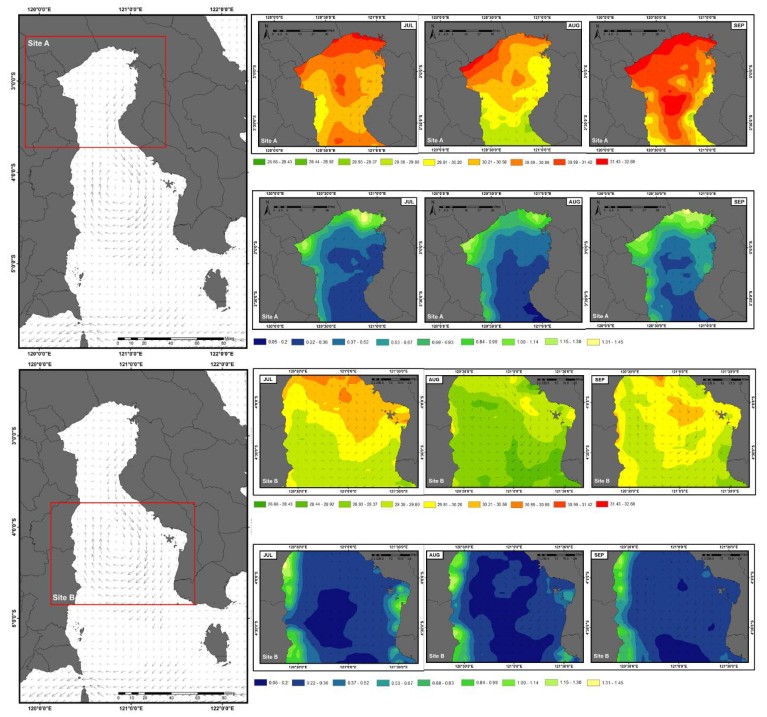
This study analyzes oceanographic factors influencing fish distribution in Bone Bay, a semi-enclosed water body with high fertility levels. The research focuses on sea surface temperature, chlorophyll-a, and ocean current dynamics, which play a crucial role in identifying potential fishing zones. Remote sensing methods and statistical models were used to map upwelling areas and pelagic fish migration patterns. The findings indicate that the oceanographic conditions in Bone Bay support capture fisheries production, with seasonal patterns that can be utilized to optimize sustainable fisheries policies
Description
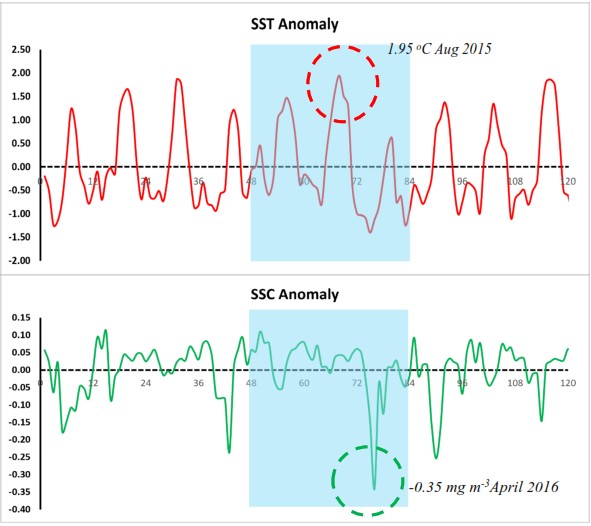
This study focuses on the Bone Bay waters, which have significant potential for capture fisheries, particularly tuna, skipjack, and mackerel (TTC). The research analyzes the relationship between oceanographic parameters such as sea surface temperature and chlorophyll-a with fish distribution using satellite data and field observations. The SARIMA forecasting model is applied to predict oceanographic patterns temporally and spatially. The results indicate that this method can enhance fishing efficiency and support sustainable fisheries policies, helping to prevent overfishing and maximize the productivity of fishermen in the region
Description
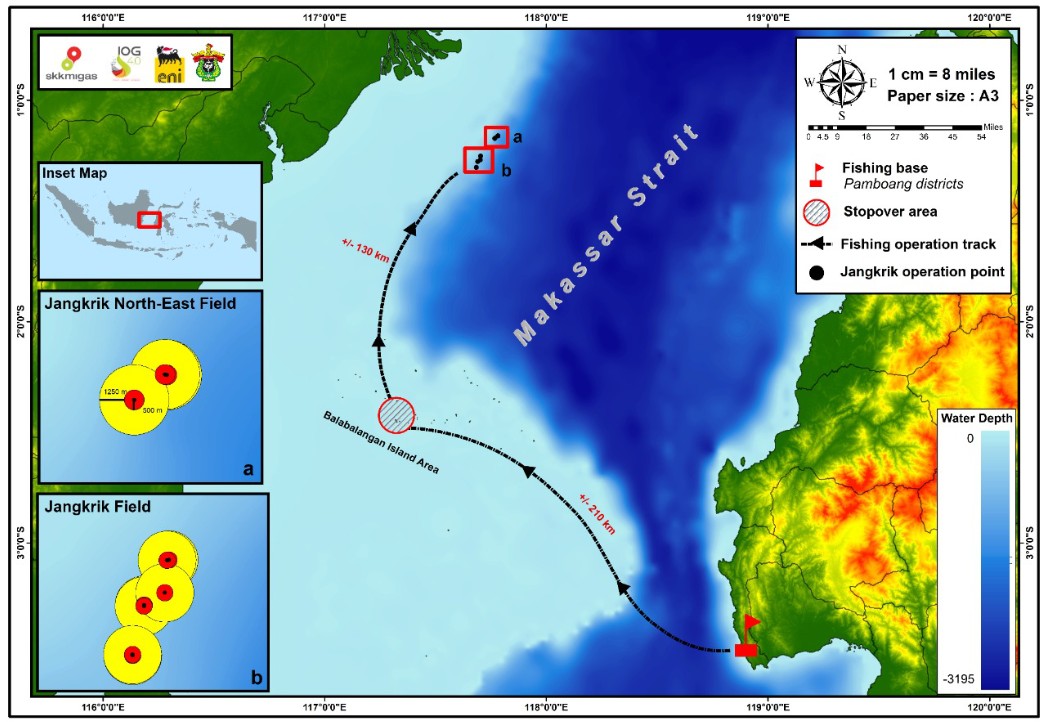
This study examined the social and economic impacts of Eni’s offshore operations in the Makassar Strait on local fishermen. Conducted over four months, it analyzed migration patterns of large pelagic fish, fishermen’s socio-economic conditions, and potential conflicts. Findings showed that unclear boundaries led to legal issues, while many fishermen depended on a patron-client system for income. Recommendations included legal agreements, economic empowerment programs, and co-managed conservation zones. The study highlights the need for collaborative policies to balance industrial activities with fishermen’s livelihoods, ensuring sustainable coexistence between offshore oil operations and coastal communities