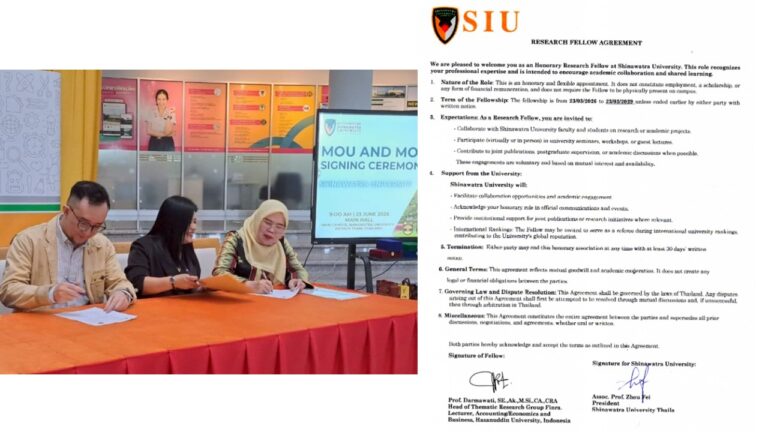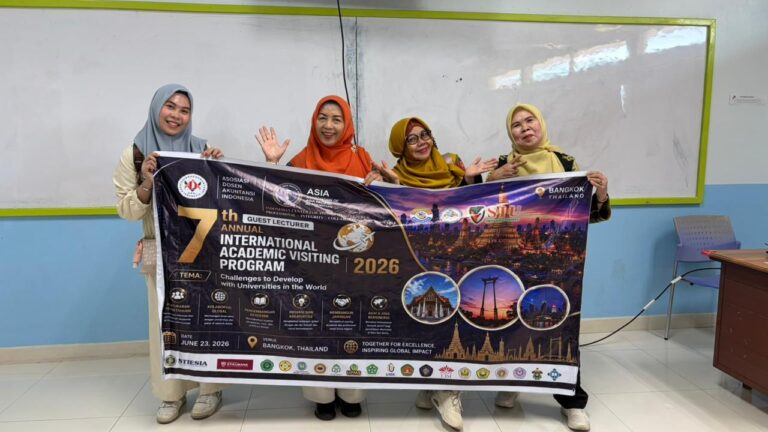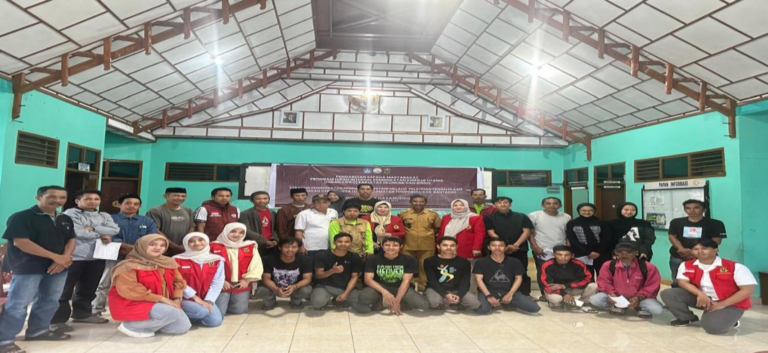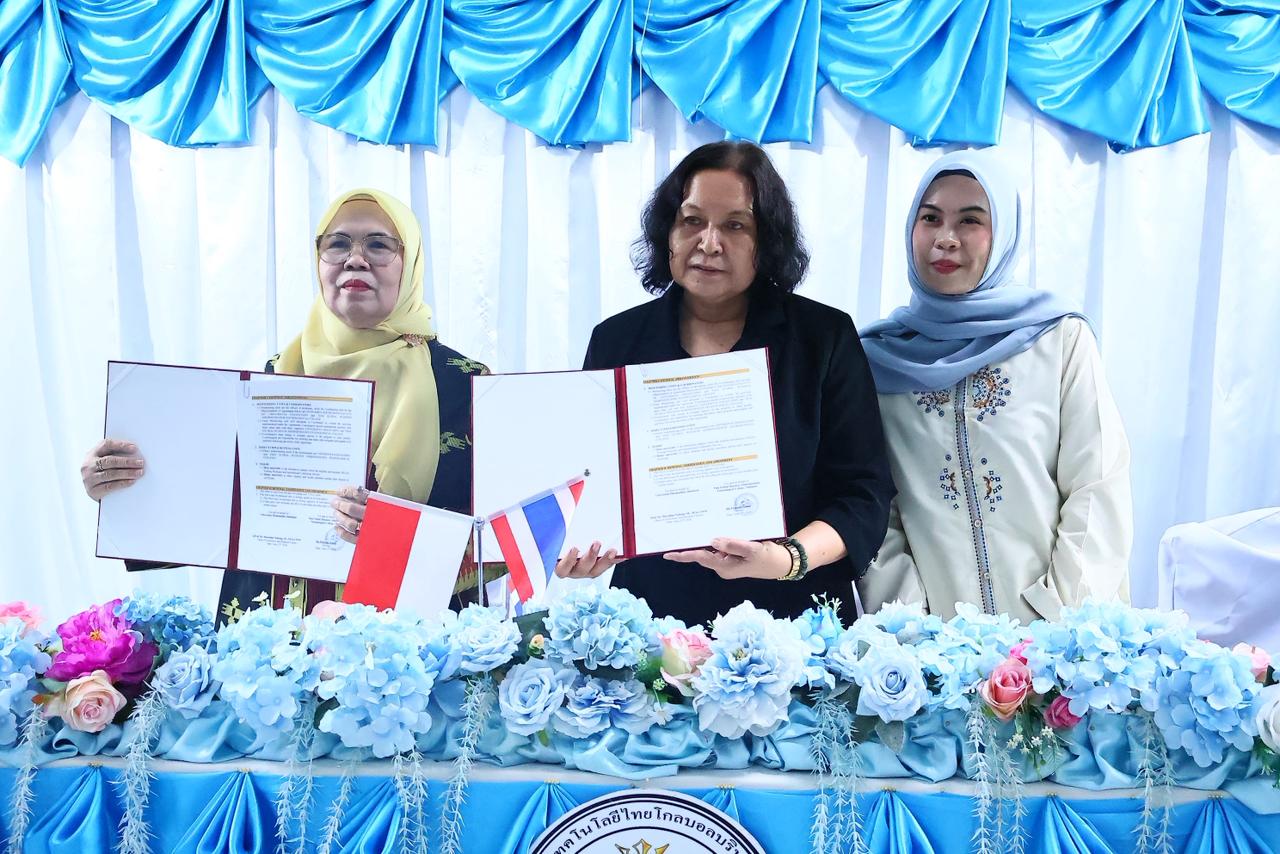

On 23 June 2026, the Signing of the Implementation Agreement of Collaboration on International Conference and Community Service took place in Thailand, marking an important step toward stronger international academic cooperation. The activity involved 41 university representatives and Thai Global Business Administration Technological College (TGBC), Thailand, as the international partner. Indira Syakira Kirana Juanda participated as a student, reflecting the importance of student engagement in collaborative learning and community-oriented initiatives.
The agreement aims to establish a practical framework for organizing international conferences, developing academic networks, and implementing community service programs. Through these activities, participating institutions seek to encourage knowledge exchange, strengthen research collaboration, and connect academic expertise with societal needs. The initiative also creates opportunities for lecturers, researchers, and students to learn from different educational environments and cultural perspectives.
A major focus of the collaboration is Sustainable Development Goal (SDG) 4: Quality Education. International conferences can broaden access to scientific discussions and emerging research, while joint educational activities can promote critical thinking, communication skills, and lifelong learning. For students such as Indira Syakira Kirana Juanda, participation in international academic initiatives offers exposure to new ideas, cross-cultural dialogue, and professional networks. The partnership further provides a basis for future guest lectures, collaborative workshops, student engagement activities, and exchanges of teaching practices, subject to subsequent institutional planning. These initiatives can contribute to more inclusive, relevant, and globally connected educational experiences. The collaboration also encourages participating institutions to consider equitable learning opportunities, accessible academic participation, and the dissemination of scientific knowledge beyond university environments.
The collaboration also aligns with Sustainable Development Goal (SDG) 1: No Poverty. Its planned community service component offers a potential platform for educational outreach, entrepreneurship training, and practical skill development based on local priorities. By sharing knowledge and supporting community capacities, universities can help create opportunities that may improve livelihoods over time. While the agreement itself does not directly reduce poverty, it establishes a pathway for designing evidence-informed programs addressing economic and social challenges.
Equally important is Sustainable Development Goal (SDG) 17: Partnerships for the Goals. Collaboration with TGBC demonstrates how international institutional partnerships can mobilize expertise, build trust, and encourage coordinated action. The involvement of 41 university representatives highlights the value of collective participation in translating shared commitments into concrete academic and community programs. Meaningful progress will depend on agreed responsibilities, ongoing communication, and transparent evaluation of future activities.
Beyond the formal signing, this initiative represents a commitment to linking international cooperation with accessible education and socially responsive practices. By placing SDG 4 at the center while also supporting SDG 1 and SDG 17, the partnership provides a foundation for future academic conferences and community service activities that can strengthen educational capacity, empower learners, and contribute to sustainable development across institutional and national boundaries.