
MAKASSAR, Indonesia June 13 2026/FUNCFOOD/ – Every morning, millions of people rely on a hot cup of coffee to kickstart their day, demanding nothing less than a rich, aromatic experience. However, a massive portion of the global coffee harvest consists of “off-grade” beans—imperfect, rejected, or lower-quality grains that fail to meet strict commercial market standards. Instead of letting this enormous volume of agricultural waste slip away, food scientists have recently unlocked a fascinating biological secret to give these flawed beans a second life. This innovative scientific discovery is thoroughly detailed in a groundbreaking study titled “Germination induced metabolic changes to improve taste and flavor characteristics of off-grade Robusta coffee beans”, which was formally published in the open-access journal Applied Food Research by Elsevier on September 7, 2025.
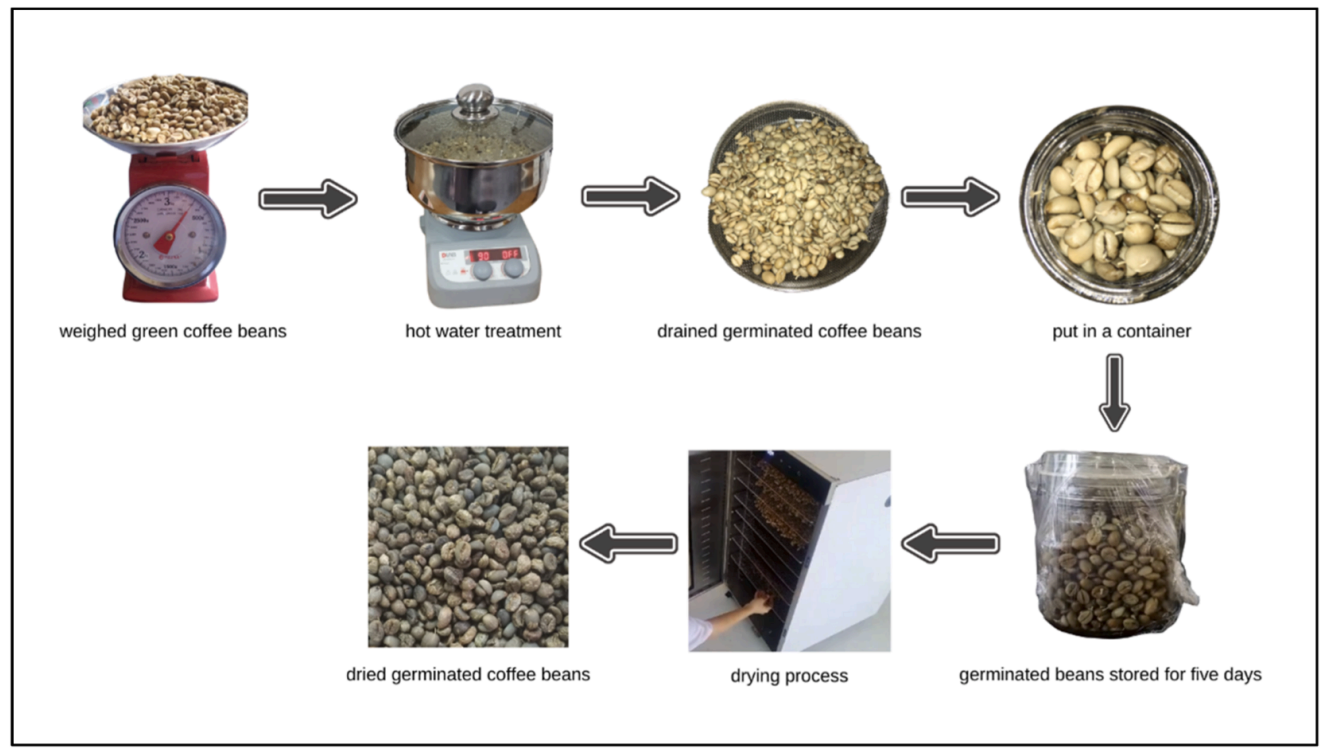
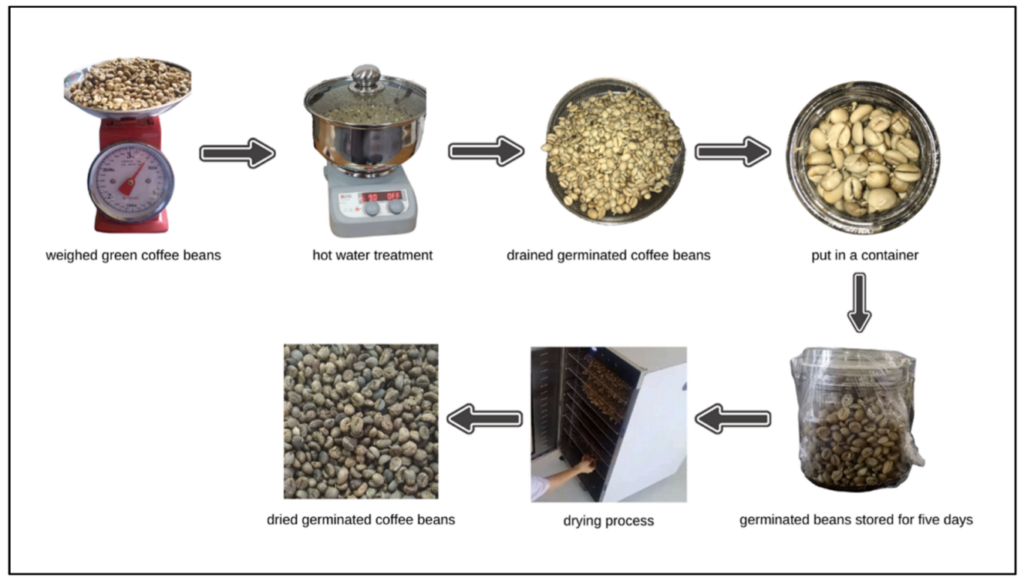
This ingenious research directly advances the United Nations’ SDG 12 (Responsible Consumption and Production) by introducing a highly sustainable circular economy model within the global coffee trade. Traditionally, low-grade coffee beans are discarded or sold at a heavy loss, causing severe economic strain on smallholder farmers. By waking the sleeping embryo inside the bean through a carefully managed water-soaking process, scientists triggered natural germination. This simple, nature-driven chemical awakening acts as an internal factory, breaking down harsh bitter compounds while multiplying healthy sugars and aromatic precursors. The process miraculously shifts the flavor profile of low-value beans from unpleasant and harsh to smooth, sweet, and highly desirable.
The true genius of this biological makeover lies in the deep alteration of the bean’s internal chemistry during its early growth stage. The researchers discovered that precisely timing the germination window maximizes free amino acids and breaks down complex starches into simple, delicious sugars. When these transformed beans are roasted, these newly unlocked elements undergo a beautiful caramelization and flavor-building reaction. The resulting brew displays a dramatically reduced bitterness, an enhanced body, and complex, premium flavor notes that rival high-end specialty coffee. This means consumers can enjoy an excellent, gourmet-level beverage experience while utilizing a crop that was once deemed entirely worthless.
By using biotechnology to upgrade agricultural sub-products, this study provides a crucial blueprint for modern, waste-free food manufacturing systems. It proves that with a little scientific creativity, what we consider waste can be revitalized into a premium product. Turning rejected Robusta beans into a delicious, market-ready beverage ensures that the hard work of rural farming communities is fully valued, paving a clear, sustainable path toward an ecofriendly, prosperous, and highly responsible global coffee culture.
Reference:
DOI: http://doi.org/10.1016/j.afres.2025.101329
Contact:
Prof. Meta Mahendradatta
+62 813-4261-7892