
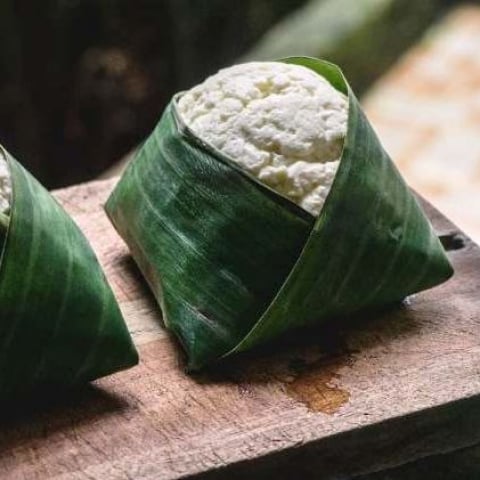

MAKASSAR, Indonesia May 10 2026/FUNCFOOD/ – Indonesia is home to thousands of traditional foods that reflect the country’s rich culture and local knowledge. One of them is Dangke cheese, a unique traditional dairy product from Enrekang Regency, South Sulawesi. For generations, local communities have produced Dangke using fresh milk and natural papaya latex as a coagulant. Today, this traditional food is gaining scientific attention because of its nutritional value and potential to support sustainable local food development.
A recent scientific article entitled “Physicochemical Properties of Dangke-cheese by Different Temperature Processing and Papaya-latex as Coagulant” explored how processing temperature and papaya latex concentration affect the quality of Dangke cheese. The article was published in the Indian Journal of Agricultural Research by the Agricultural Research Communication Centre in October 2024.
According to the study, Dangke cheese is traditionally made by heating cow’s milk and adding papaya latex, which naturally contains the papain enzyme that helps coagulate milk proteins. This process forms soft cheese curds that are molded using coconut shells, creating a product with a distinctive taste and texture that is deeply connected to the culinary identity of South Sulawesi.
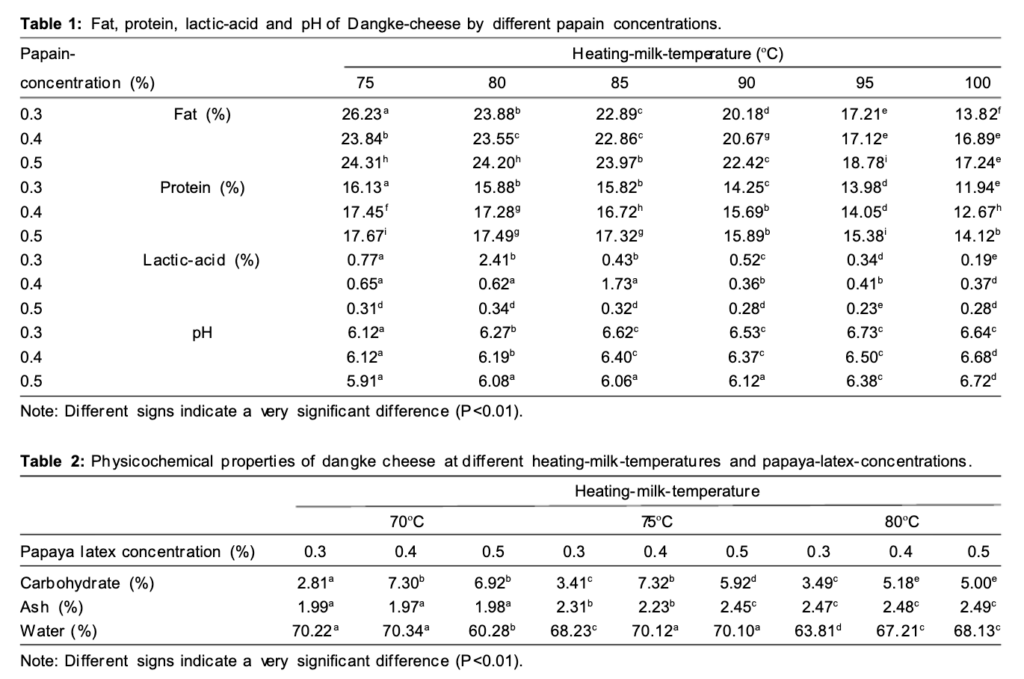
The researchers found that processing temperature plays a major role in determining the nutritional quality of Dangke cheese. Higher temperatures caused decreases in protein, fat, and lactose levels. Meanwhile, the best quality Dangke cheese was produced at 75°C with 0.5% papaya latex concentration, resulting in high protein and fat content while maintaining good texture and acidity balance. This finding is important because it helps local producers improve product quality without losing the authenticity of traditional processing methods.
This innovation strongly connects with SDG 4: Quality Education. The Sustainable Development Goal emphasizes the importance of knowledge-sharing, skills development, and community education to improve quality of life. Research like this not only develops scientific understanding but also helps transfer practical knowledge to local dairy farmers and small food industries. By teaching communities about proper food processing techniques, hygiene standards, and product quality control, traditional foods like Dangke can become more competitive in modern markets.
In addition, Dangke cheese also supports local economic empowerment. Many household dairy farmers in Enrekang depend on Dangke production as a source of income. With improved production methods based on scientific research, local producers may increase product quality, expand market opportunities, and preserve cultural heritage at the same time.
The story of Dangke cheese shows that traditional foods should not be viewed as outdated products. Instead, they can become symbols of innovation, education, and sustainable local development. By combining scientific research with indigenous food traditions, Indonesia has the opportunity to introduce local products with global potential. Most importantly, this research reminds us that preserving traditional foods is not only about protecting culture, but also about educating communities, supporting local livelihoods, and building a healthier and more sustainable food future for the next generation.
Reference:
DOI: 10.18805/IJARe.AF-882
Contact:
Prof. Meta Mahendradatta
+62 813-4261-7892


