
MAKASSAR, Indonesia May 10 2026/FUNCFOOD/ – In many parts of Indonesia, local food resources are often underestimated, even though they hold great potential to improve public health and community welfare. One inspiring example comes from Pinrang Regency, South Sulawesi, where researchers and community partners introduced a simple but impactful innovation: processing snakehead fish (Channa striata) into surimi-based otak-otak. This initiative not only promotes nutritious food but also opens new economic opportunities for local communities.
The idea was developed through a community empowerment program led by Prof. Meta Mahendradatta and her team from the Department of Food Science and Technology, Hasanuddin University. Their work was published in an article entitled “The Dissemination of Technology for Processing Snakehead Fish (Channa striata) into Surimi-Based Otak-Otak to Address Malnutrition and Increase Income”. The article appeared in the journal Dinamika Pengabdian, published by the Department of Agricultural Cultivation, Faculty of Agriculture, Hasanuddin University, and was officially published on 25 April 2022.
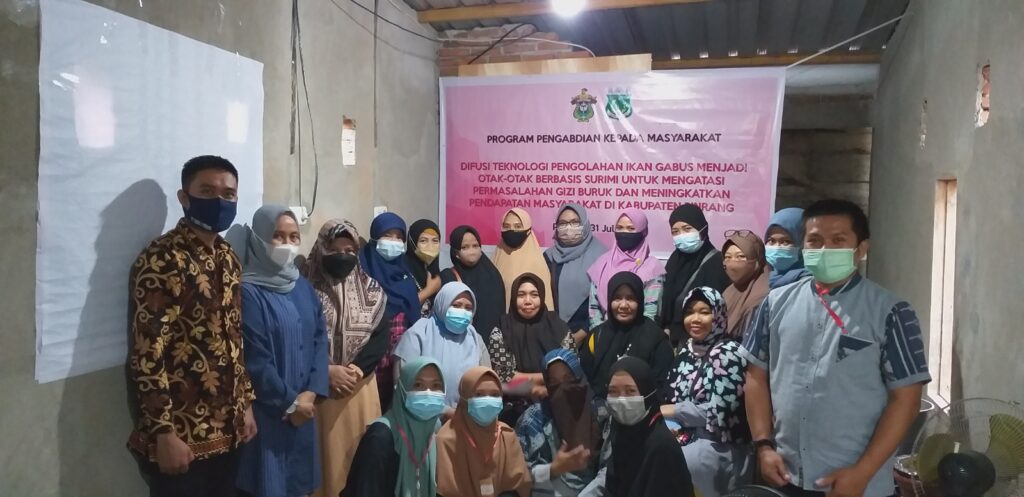
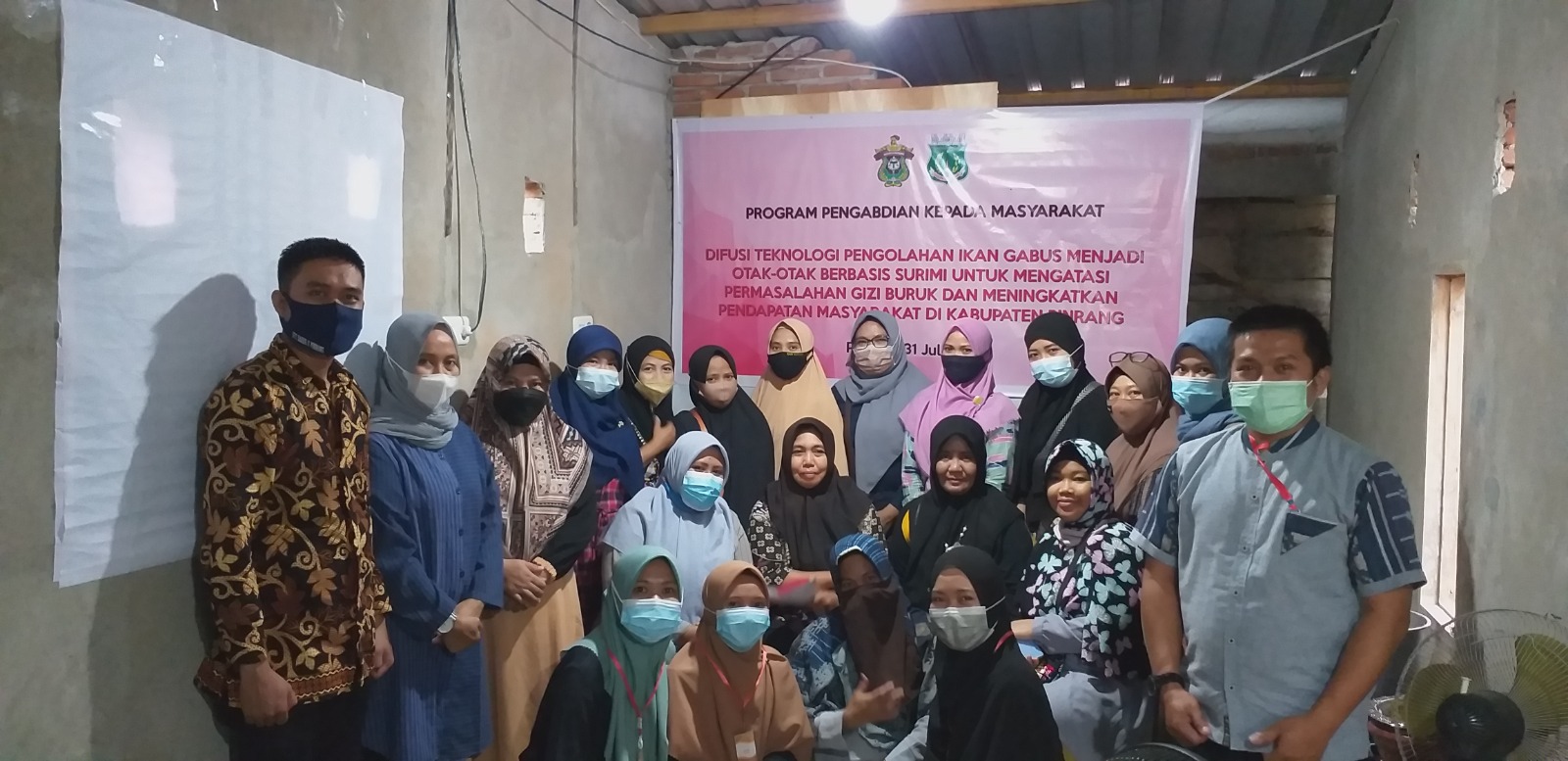
The program focused on solving a serious issue in Pinrang Regency: malnutrition. According to the article, Pinrang was among the regions with the highest malnutrition rates in South Sulawesi, reaching 32%. To address this problem, the research team introduced snakehead fish as an affordable and highly nutritious local food source. Snakehead fish is rich in protein, especially albumin, which is beneficial for child growth, immune system improvement, and recovery processes in the body.
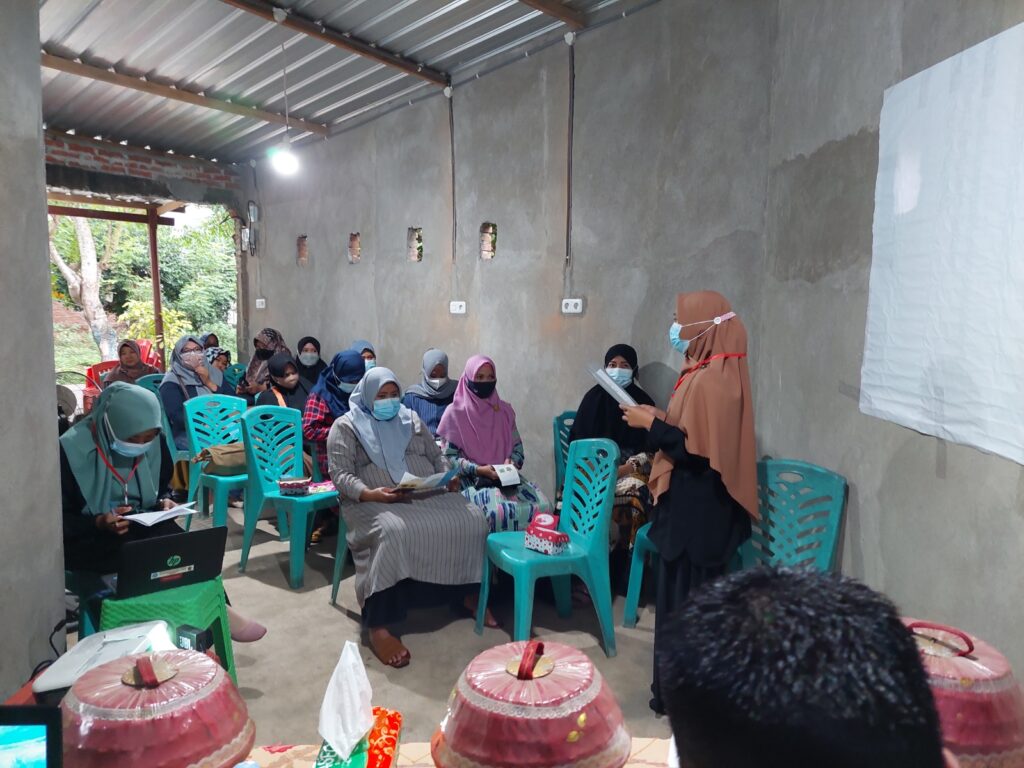
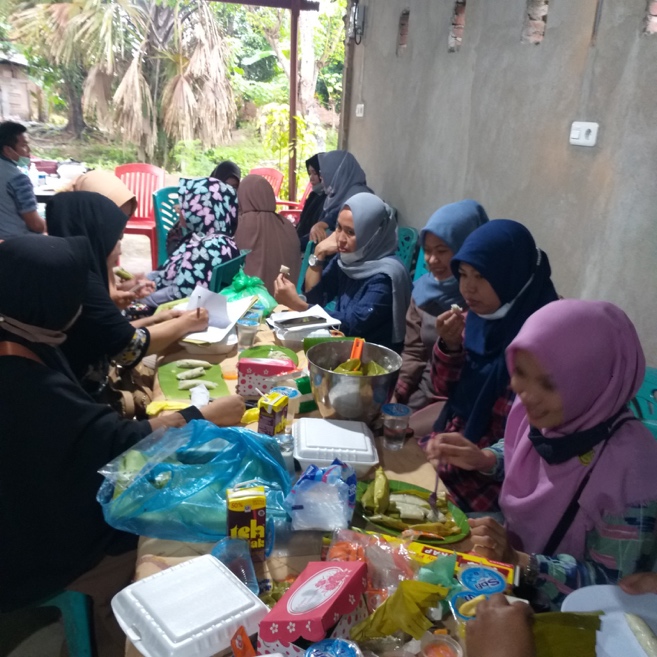
Instead of selling the fish only in fresh form, the community was trained to process it into surimi-based otak-otak, a popular traditional fish product wrapped in banana leaves. The use of surimi technology makes the product more consistent in quality, easier to store, and suitable for small-scale food industries. Through workshops and hands-on training, local residents and small business owners learned about healthy food production, sanitation, hygiene, and strategies for starting a food business.