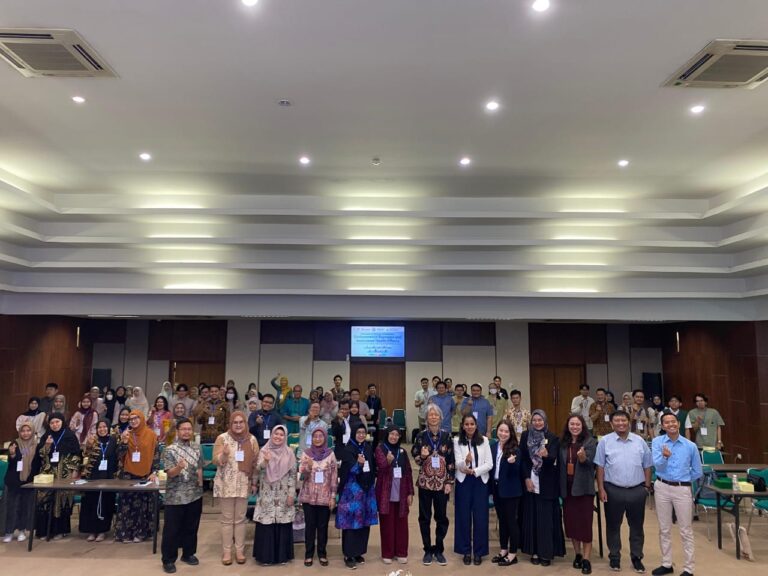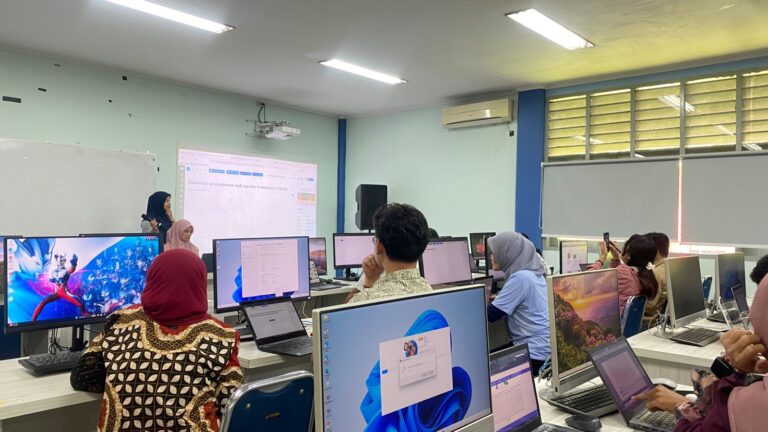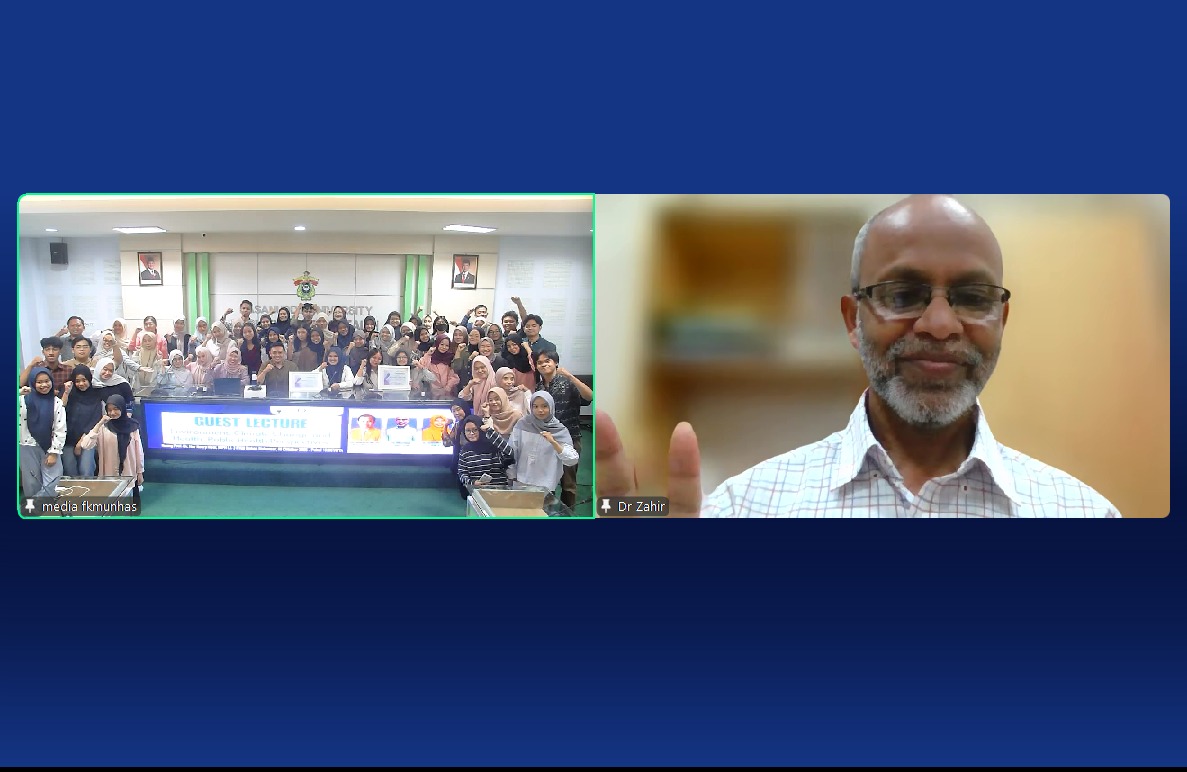

Makassar– To enhance global understanding of environmental health challenges and strengthen international academic collaboration, the Faculty of Public Health, Universitas Hasanuddin (FKM Unhas), successfully organized the Guest Lecture on Environment, Climate Change and Health: Public Health Perspectives on Wednesday, October 8th, 2025. The event was held at K-225, 2nd Floor, Prof. Nur Nasry Noor Room, Faculty of Public Health, Universitas Hasanuddin, and was attended by more than 50 students from the Faculty of Public Health. The guest lecture featured Dr. Muhammad Zahirul Islam from North South University as the international speaker, who shared valuable expertise and global perspectives on the complex relationship between environmental change and public health.
The primary objective of this guest lecture was to broaden participants’ knowledge and understanding of current environmental and climate change issues from a global public health perspective. In addition, the activity aimed to provide participants with international insights, encourage critical thinking regarding environmental health challenges, and inspire students to contribute to research and policy development that supports sustainable public health solutions. By connecting local experiences with international expertise, the lecture offered a valuable opportunity for students to gain a broader understanding of environmental health issues affecting communities worldwide.
Throughout the session, participants explored various topics related to environmental degradation, climate change, pollution, ecosystem disruption, and their implications for human health. The speaker emphasized the growing impact of climate-related events on vulnerable populations and highlighted the importance of evidence-based public health interventions to reduce environmental risks. Interactive discussions allowed students to exchange ideas, ask questions, and gain a deeper appreciation of how multidisciplinary approaches are essential for addressing environmental health problems in an increasingly interconnected world.
The lecture also underscored the importance of preparing future public health professionals to respond to emerging environmental challenges through research, innovation, and international collaboration. Exposure to global experiences and scientific perspectives enables students to develop analytical skills and strengthen their capacity to design effective public health strategies that are responsive to both local and global needs. Such academic activities play an essential role in fostering a culture of lifelong learning and scientific excellence within higher education institutions.
This activity contributes directly to several Sustainable Development Goals (SDGs). It supports SDG 4 (Quality Education) by providing students with access to international expertise and enriching their academic experience through global knowledge exchange. The lecture also aligns with SDG 3 (Good Health and Well-being) by increasing awareness of environmental determinants of health and promoting preventive approaches to protect population health. Furthermore, the activity contributes to SDG 1 (No Poverty) by encouraging the development of evidence-based public health strategies that help reduce health inequalities and improve community resilience, particularly among vulnerable populations affected by environmental and climate-related risks. Equally important, the collaboration between the Faculty of Public Health, Universitas Hasanuddin, and North South University reflects the spirit of SDG 17 (Partnerships for the Goals) by strengthening international academic partnerships, promoting knowledge sharing, and fostering collaborative efforts to address global environmental and public health challenges.
Overall, the Guest Lecture on Environment, Climate Change and Health: Public Health Perspectives successfully enriched students’ academic knowledge while strengthening international collaboration in environmental health. The activity reaffirmed the importance of global partnerships and interdisciplinary learning in preparing future public health professionals to address complex environmental challenges and contribute to sustainable development.