
Enhancing Website Activity and Security: Strengthening Digital Capacity through Training at PTIK Unhas
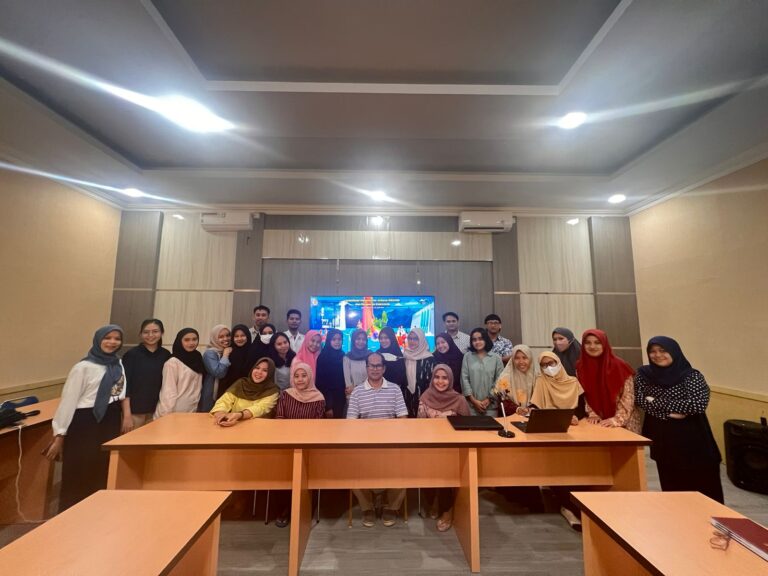
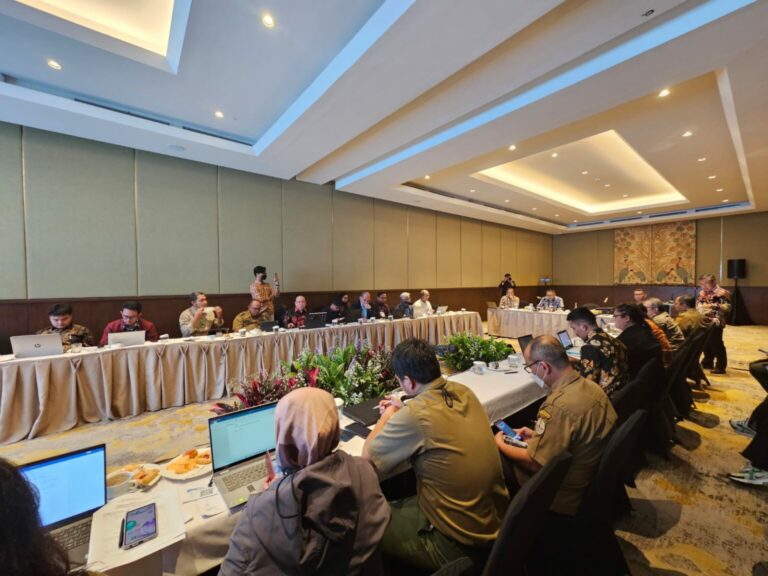
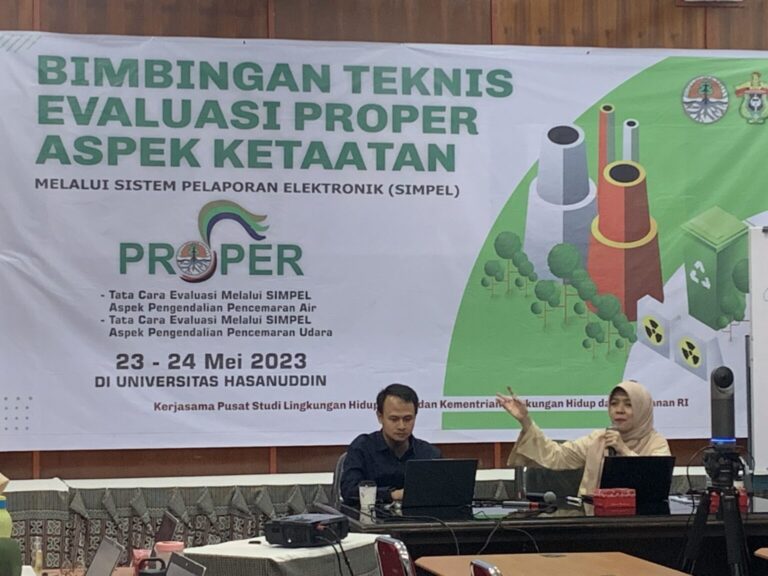
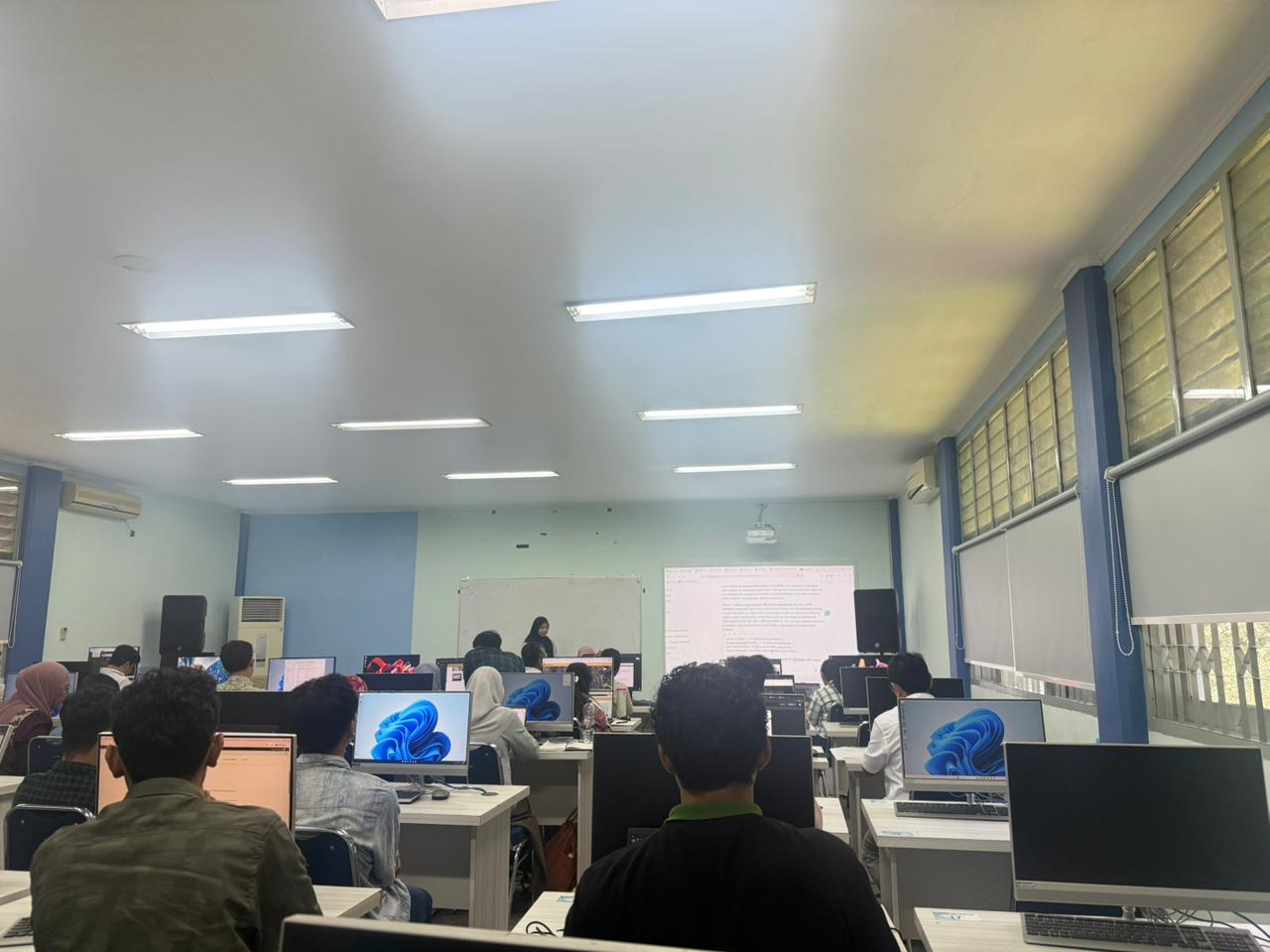
In an increasingly digitalized world, the sustainability and effectiveness of online platforms depend not only on their functionality but also on their security and user engagement. Responding to this urgent need, the “Pelatihan Peningkatan Aktivitas dan Keamanan Website TRG” was successfully conducted at Aula PTIK Unhas on 1 April 2026, involving 40 participants from diverse professional and academic backgrounds. This training initiative aimed to enhance participants’ technical capacity in managing, optimizing, and securing websites, particularly within organizational and institutional contexts.
The primary objective of this activity was to improve participants’ understanding of website performance optimization, user activity enhancement strategies, and cybersecurity practices. Through a structured combination of lectures, hands-on sessions, and interactive discussions, participants were introduced to practical tools and frameworks that can be directly implemented in their respective institutions. Topics covered included website traffic analysis, content management strategies, vulnerability assessment, and preventive security measures against cyber threats.
This training is closely aligned with several Sustainable Development Goals (SDGs), particularly SDG 4: Quality Education, SDG 1: No Poverty, and SDG 17: Partnerships for the Goals. By equipping participants with essential digital skills and knowledge, the program contributes to SDG 4, promoting inclusive and equitable quality education through lifelong learning opportunities. Furthermore, improving digital competencies can open pathways for economic opportunities, indirectly supporting SDG 1 by enhancing employability and productivity in the digital economy.
The collaborative nature of this training also reflects the principles of SDG 17, emphasizing partnerships between institutions, experts, and participants to achieve common development goals. The exchange of knowledge and experience among participants fostered a dynamic learning environment, strengthening networks that can lead to future collaborations in digital innovation and cybersecurity initiatives.
Beyond technical outcomes, the training also emphasized the importance of ethical responsibility in managing digital platforms. Participants were encouraged to adopt user-centered approaches while maintaining data integrity and privacy standards. This holistic perspective ensures that website management is not only efficient but also trustworthy and sustainable.
The successful implementation of this activity demonstrates the critical role of capacity-building programs in addressing contemporary digital challenges. As organizations increasingly rely on web-based systems, initiatives like this training become essential in ensuring that digital infrastructures remain secure, accessible, and impactful.
In conclusion, the “Pelatihan Peningkatan Aktivitas dan Keamanan Website TRG” represents a strategic effort to bridge the digital skills gap while contributing to global development agendas. By integrating technical training with the values of sustainability and collaboration, this activity serves as a model for future programs aimed at empowering individuals and institutions in the digital era.