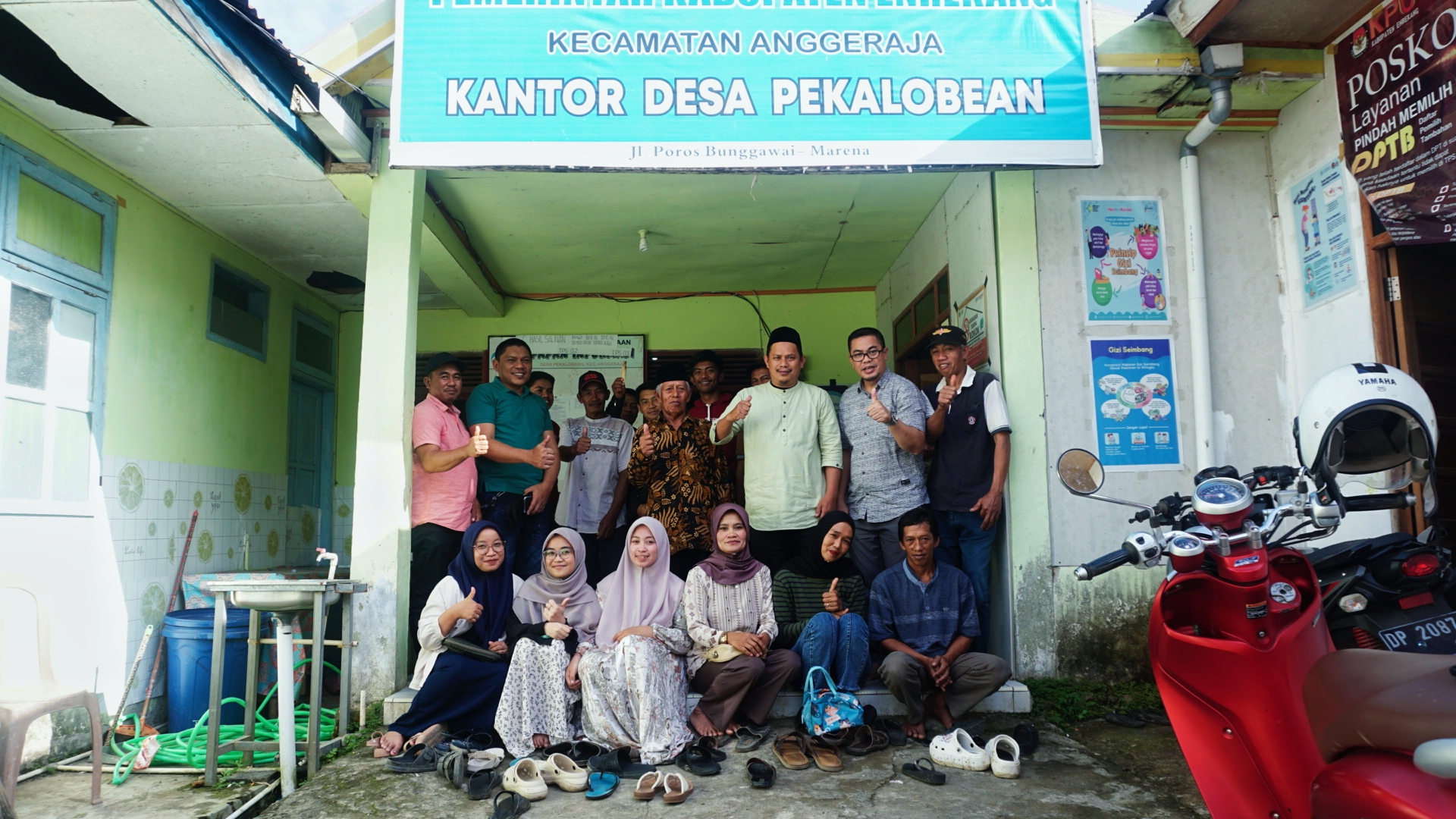

Understanding political behavior at the community level is essential to understanding how democracy works in everyday life. Citizens do not make political choices in isolation; their preferences are often shaped by economic interests, social relationships, community conditions, access to information, and the context in which they live. Against this background, a research activity entitled “Citizenship Politics: A Study of Community Political Behavior in Local Elections in Indonesia” was conducted in Pekalobean Village, Anggeraja District, Enrekang Regency, South Sulawesi, on October 22, 2025. The study involved 25 participants from the local community.
This study aimed to identify how different segments of society distinguish and prioritize their respective interests and to understand the social and geographical contexts in which these interests are formed. It also sought to examine how patterns of voting behavior develop based on citizens’ interests during local elections. By focusing on the experiences and perspectives of community members, this study explored political behavior as a dynamic process influenced by both individual considerations and broader social environments.
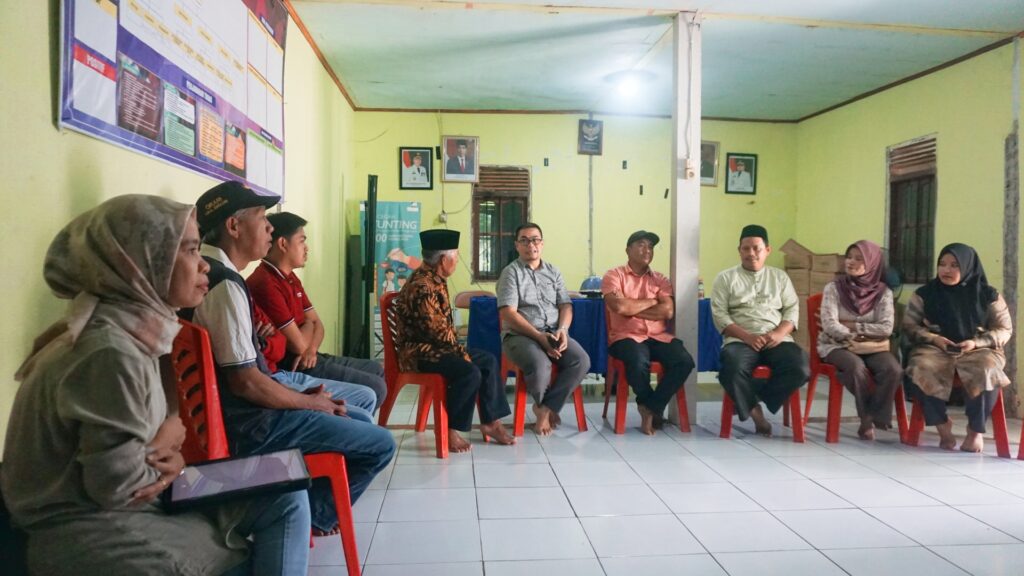
The research activity provided an opportunity for participants to discuss how they understood political issues and how their everyday interests influenced their political choices. The discussions explored various factors that may shape voting behavior, including economic considerations, community development needs, relationships among residents, candidate characteristics, political information, and expectations regarding government policies. This approach recognizes that voting behavior cannot be explained solely by political preferences but must also be understood in relation to the social realities experienced by citizens.
This research also highlights the importance of distinguishing between different community interests. Farmers, workers, women, youth, community leaders, and other social groups may have different priorities and expectations of local governments. These differences can influence the formation of political preferences. Understanding such variations is important for developing a more inclusive perspective on citizenship and democratic participation in the region.
This research contributes to SDG 1: No Poverty by examining how economic interests and community development concerns shape citizens’ political choices. Understanding these interests can provide valuable insights into how democratic processes respond to the needs of vulnerable and economically disadvantaged groups in society. This study also supports SDG 4: Quality Education by strengthening political knowledge and encouraging citizens to critically reflect on political information, interests, and electoral choices. In addition, it contributes to SDG 17: Partnerships for the Goals by emphasizing the importance of dialogue and knowledge exchange between researchers and local communities in understanding and strengthening the democratic practices.
This study demonstrates that political participation is not limited to voting. It is also connected to how citizens understand their interests, communicate their aspirations, evaluate political alternatives, and engage with other members of the society. Examining these processes at the village level provides valuable insights into the foundations of democracy.
Ultimately, the study in Pekalobean Village emphasizes the importance of understanding citizens as active political actors, whose choices are shaped by their lived experiences and social contexts. By identifying patterns of political behavior and the interests underlying them, this study contributes to a deeper understanding of local democracy and provides knowledge that can support more inclusive, responsive, and citizen-oriented governance in Indonesia.