
Agriculture plays an important role in the economic and social lives of communities in Enrekang Regency, South Sulawesi. Among the region’s agricultural commodities, shallots are one of the leading products and are an important source of income for local farmers. However, agricultural production is vulnerable to various risks, including extreme weather, pests and diseases, changes in environmental conditions, and other factors that may result in crop failures. These conditions can significantly affect farmers’ livelihoods and household welfare.
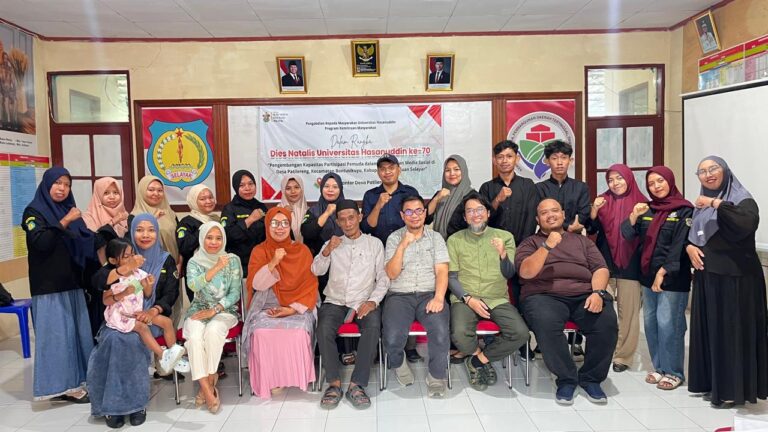
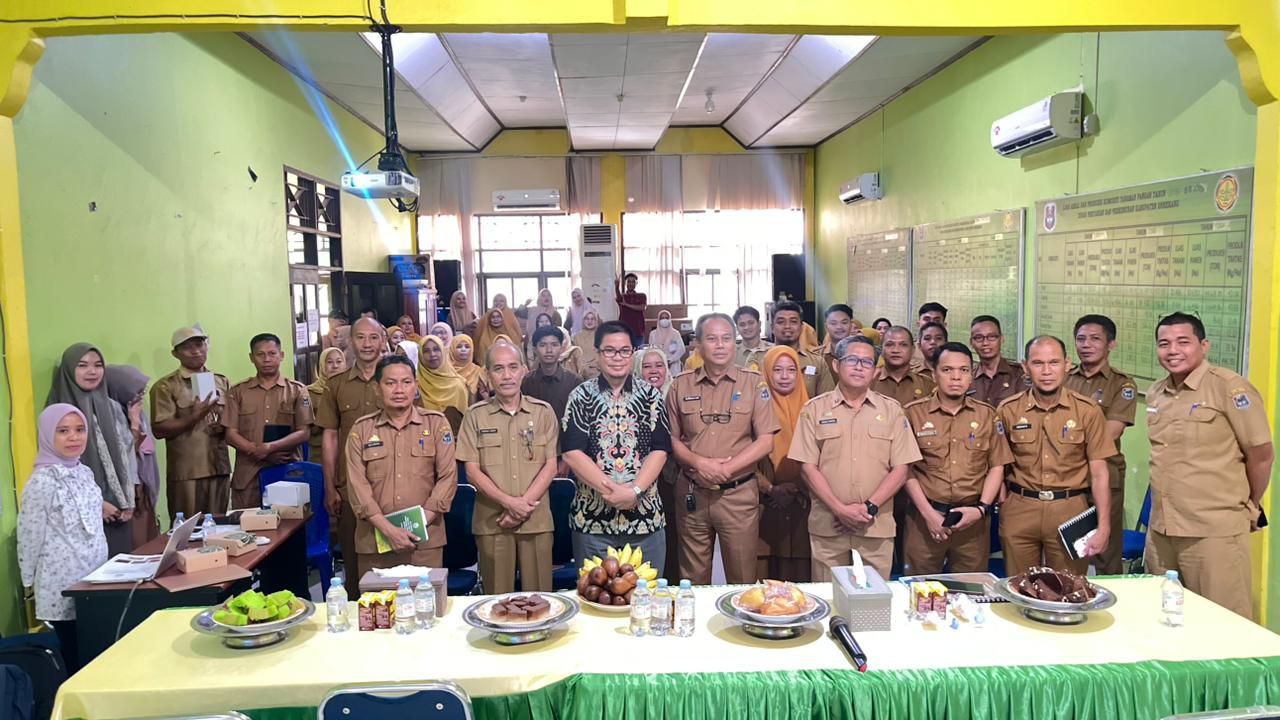
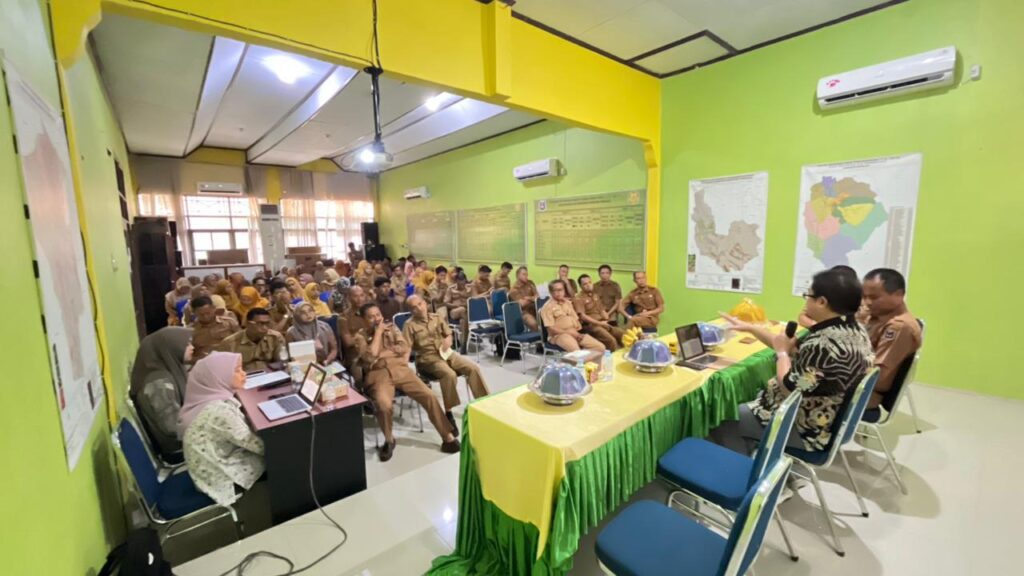
In response to this challenge, a community engagement activity entitled “Addressing Crop Failure Conditions in Shallot Production in Enrekang Regency” was conducted on December 16, 2025, with 50 participants. The activity focused on strengthening the capacity of the Enrekang Regency Government to respond to crop failure, particularly in shallot production, which is one of the region’s leading agricultural commodities. It also emphasizes the importance of establishing appropriate local regulations to protect and support farmers experiencing crop failure.
This activity highlighted that crop failure should not be viewed solely as an individual agricultural problem. For farmers whose livelihoods depend heavily on agricultural production, crop failure can create broader economic and social vulnerability. Losses in production may reduce household income, increase financial burdens, and affect farmers’ ability to maintain their agricultural activities in the following planting seasons. Therefore, an effective response requires institutional mechanisms that enable local governments to provide the appropriate protection and assistance.
Through discussions and knowledge-sharing sessions, the participants examined the challenges faced by farmers experiencing crop failure and considered possible policy responses at the local government level. Particular attention was given to the importance of clear regulatory frameworks that define eligibility, forms of assistance, implementation mechanisms, and institutional responsibilities. Such regulations can provide a stronger legal and administrative foundation to ensure that assistance reaches farmers in a transparent, fair, and accountable manner.
This activity contributes directly to SDG 1: No Poverty by strengthening mechanisms to protect farmers from economic vulnerability caused by agricultural losses. Providing appropriate support during crop failure can help protect household livelihoods and reduce the risk of farmers falling into deeper poverty in the future. The activity also supports SDG 4: Quality Education by increasing the knowledge and institutional capacity of stakeholders regarding agricultural risk management, public policy, and regulatory development. Furthermore, it contributes to SDG 17: Partnerships for the Goals by promoting collaboration among local government institutions, farmers, researchers, and other relevant stakeholders in developing effective responses to agricultural challenges.
The activity emphasized that effective public policy should be responsive to the conditions experienced by local communities. A well-designed local regulation can serve as an administrative instrument and a form of government protection for farmers facing circumstances beyond their control.
Ultimately, the activity in Enrekang Regency demonstrates the importance of strengthening the local government’s capacity to develop responsive, inclusive, and sustainable agricultural policies. By establishing clearer mechanisms for addressing crop failure and protecting affected farmers, local governments can contribute to greater livelihood security, stronger agricultural resilience, and more sustainable rural development.