

Description
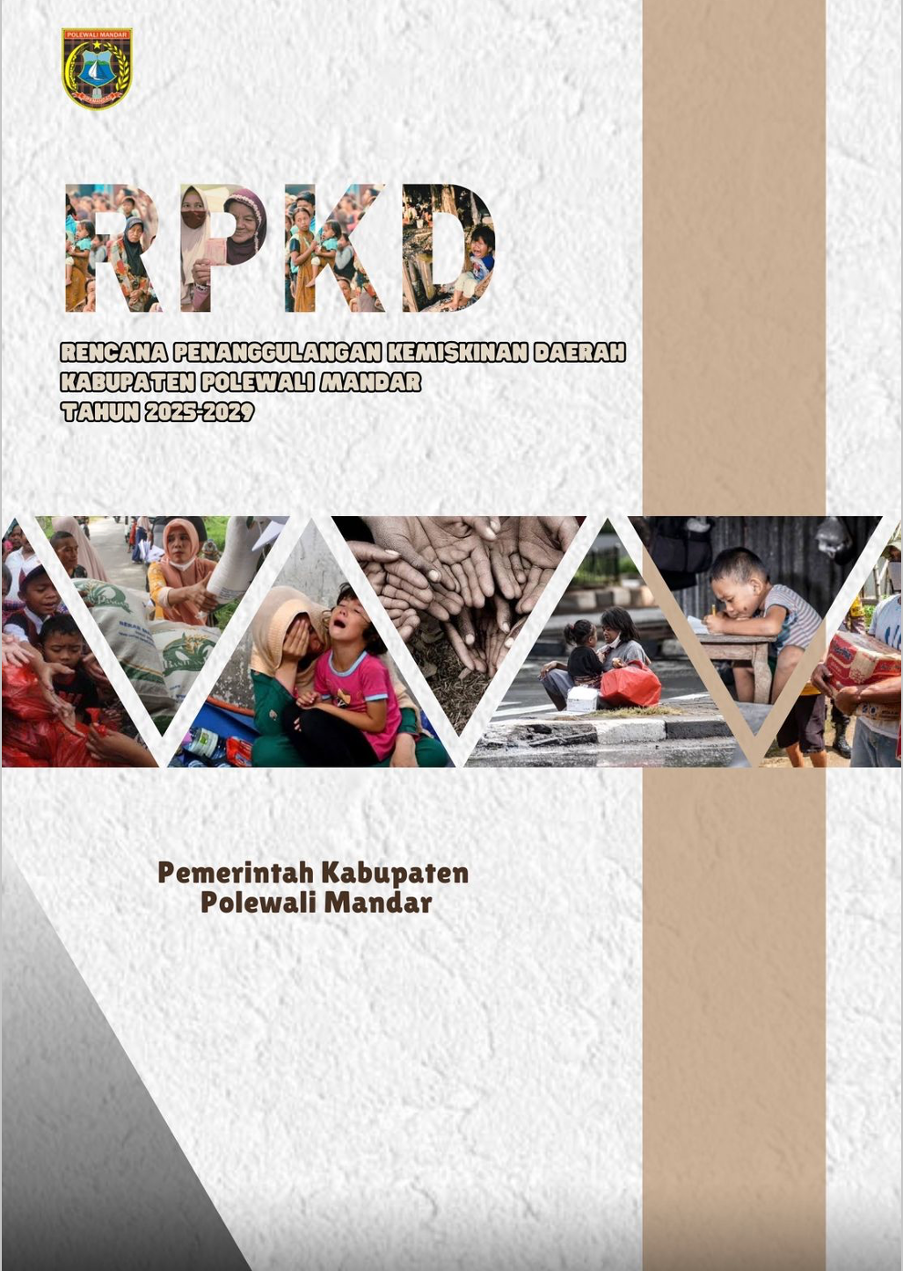
The Regional Poverty Reduction Plan (RPKD) of Polewali Mandar Regency for 2025–2029 is a strategic planning document formulated by the Regional Research and Development Planning Agency (BALITBANGREN) of Polewali Mandar, in collaboration with Universitas Hasanuddin. Developed in accordance with the Ministry of Home Affairs Regulation No. 53 of 2020, this document serves as a guideline for the Regional Poverty Reduction Coordination Team (TKPKD) and all local government agencies in coordinating, planning, and implementing structured, integrated, and sustainable poverty alleviation efforts in Polewali Mandar regency. It aims to strengthen cross-sectoral collaboration and public accountability, aligning local strategies with national and provincial frameworks. The plan outlines key poverty indicators, determinants, and policy interventions, and is designed as a reference for the Medium-Term Regional Development Plan (RPJMD), ensuring that poverty reduction remains a central agenda in regional development over the next five years.
Description
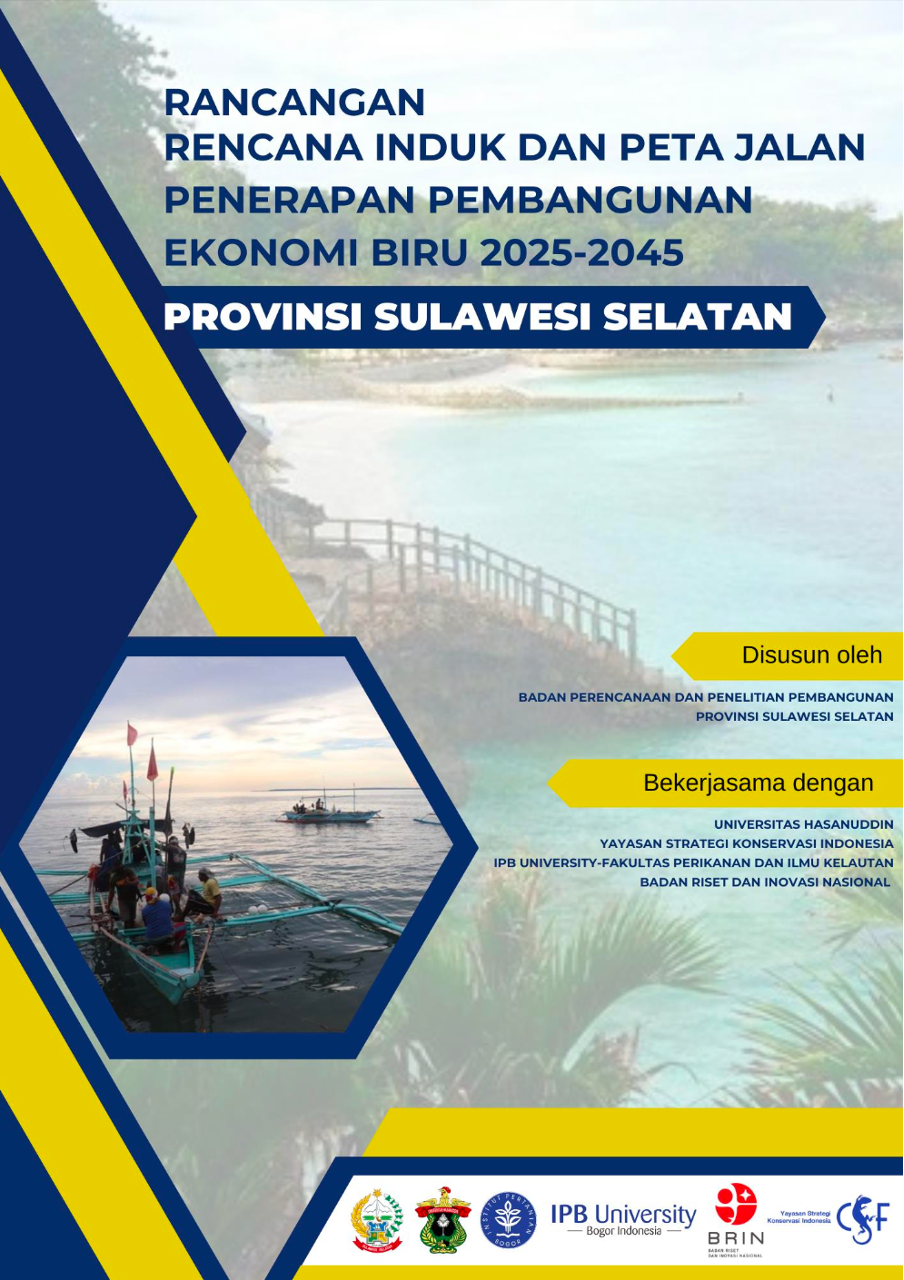
The Master Plan and Road Map for the Blue Economy of South Sulawesi 2025–2045 is a strategic planning document initiated by the Government of South Sulawesi Province to guide the long-term development of a sustainable and inclusive marine-based economy. This blueprint outlines the region\'s vision to become a leading hub for Indonesia’s blue economy by integrating ecological preservation with economic growth, focusing on sectors such as fisheries, marine tourism, coastal aquaculture, marine renewable energy, and maritime infrastructure. Developed in collaboration with Yayasan Konservasi Indonesia and Universitas Hasanuddin, the document aims to coordinate multi-stakeholder efforts across government, industry, and communities. It includes spatial planning, priority programs, institutional arrangements, and investment roadmaps aligned with national development agendas and SDG principles. The plan serves as a foundational framework to harness South Sulawesi’s vast marine potential while ensuring environmental resilience and socio-economic equity for coastal populations.
Description
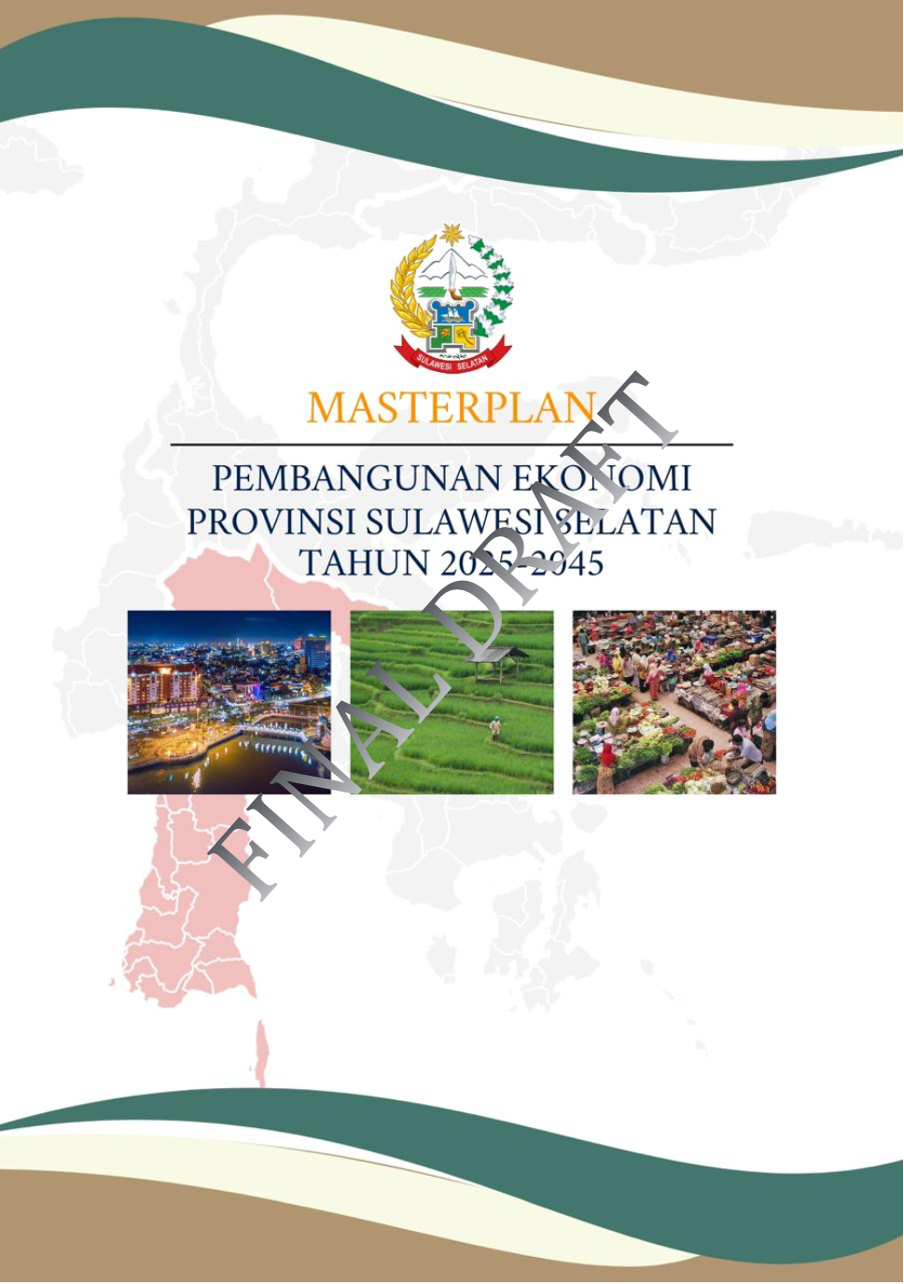
The Master Plan for Economic Development of South Sulawesi 2025 – 2045 is a strategic framework aimed at transforming South Sulawesi into a competitive, inclusive, and sustainable economic region. Developed under the coordination of the South Sulawesi Provincial Government (Bappelitbangda) in collaboration with Universitas Hasanuddin, the plan outlines long-term strategies to optimize regional potential across key sectors such as agriculture, fisheries, manufacturing, tourism, and services. It emphasizes spatial integration, infrastructure development, human capital improvement, and digital transformation as core enablers of growth. This master plan also serves to align provincial priorities with national economic policies and global development agendas, including the Sustainable Development Goals (SDGs). It provides a comprehensive roadmap to guide policy direction, investment planning, and inter-agency coordination, with the overarching goal of boosting economic resilience and prosperity for the people of South Sulawesi.
Description
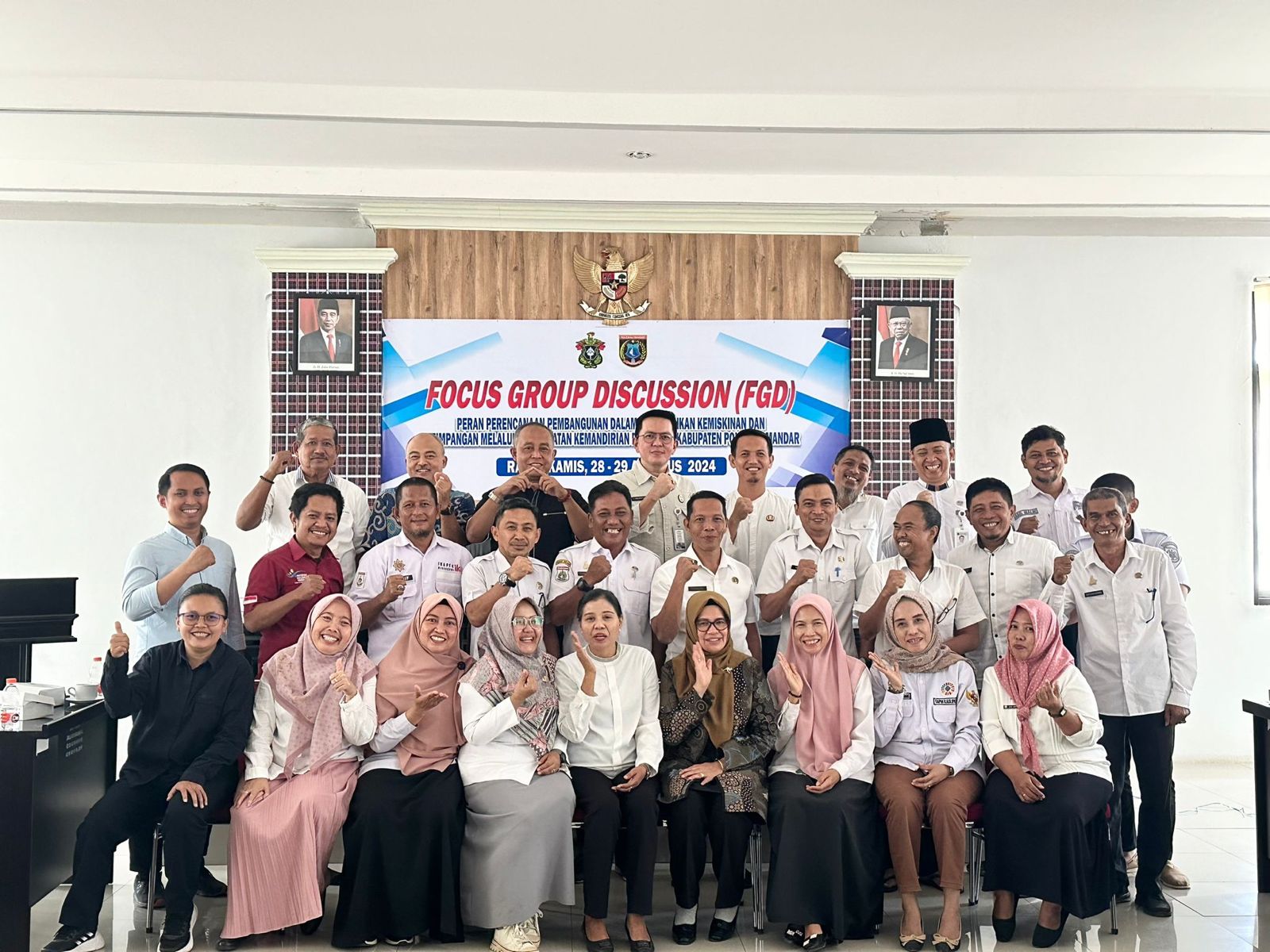
This research was funded by the Ministry of Education, Culture, Research, and Technology of Indonesia (BIMA DIKTI) in 2024, focuses on the role of regional development planning in accelerating the reduction of poverty and income inequality. The study responds to the ongoing high levels of poverty and inequality in Indonesia, which threaten the achievement of the Sustainable Development Goals (SDGs). While economic growth and fiscal policies are theoretically key to reducing poverty, empirical evidence remains inconclusive. This research addresses overlooked factors, including the indirect effects of economic growth and fiscal policy on poverty reduction via income inequality, and the critical role of regional development planning in enhancing food self-sufficiency, thereby impacting poverty and inequality. Using secondary panel data from 2010 to 2023 across 34 provinces and primary data from surveys in poverty pockets and focused group discussions with local governments in Polman and Bone, the study applies mixed quantitative and qualitative analyses. Findings reveal that economic growth and fiscal policy directly reduce poverty but do not significantly affect poverty through income inequality reduction. Local governments in the sampled regions have designed and implemented programs aimed at improving food security for the poor, reducing their expenditure burdens, increasing incomes, and shrinking poverty pockets. The research has produced an article published in the reputable international journal Economies (Scopus Q1).
Description
The Socio-Economic Impact of the Trans-Sulawesi Railway study is a collaborative research initiative conducted under the Partnership for Australia-Indonesia Research (PAIR) framework. The research was designed to assess the anticipated and actual socio-economic implications of the Trans-Sulawesi Railway development, particularly focusing on the Makassar–Parepare line. It explores the railway\'s potential to enhance regional connectivity, stimulate local economic activity, improve access to services, and reduce transportation costs. The study involves multidisciplinary collaboration between Indonesian and Australian researchers, government stakeholders, and local communities, aiming to provide evidence-based recommendations for inclusive and sustainable infrastructure development. The project emphasizes the importance of aligning infrastructure investment with social needs, local development goals, and long-term economic transformation in South Sulawesi.