


MAKASSAR, Indonesia – Apr 1 2026/DSAI/ — Obesity is no longer just a lifestyle issue—it is a growing public health crisis linked to chronic diseases such as diabetes, heart disease, and hypertension. In Indonesia, where lifestyle changes and urbanization are accelerating, understanding obesity risk has become more urgent than ever. A recent study reveals how artificial intelligence (AI) can help predict obesity more accurately, offering new hope for prevention and policy-making.
The research, published in Frontiers in Nutrition, explores how machine learning (ML) techniques can analyze large-scale health data to identify individuals at risk of obesity. Using data from the Indonesian Basic Health Research (RISKESDAS) 2018, which includes over 600,000 respondents, the study demonstrates how AI can uncover complex patterns that traditional methods often miss .
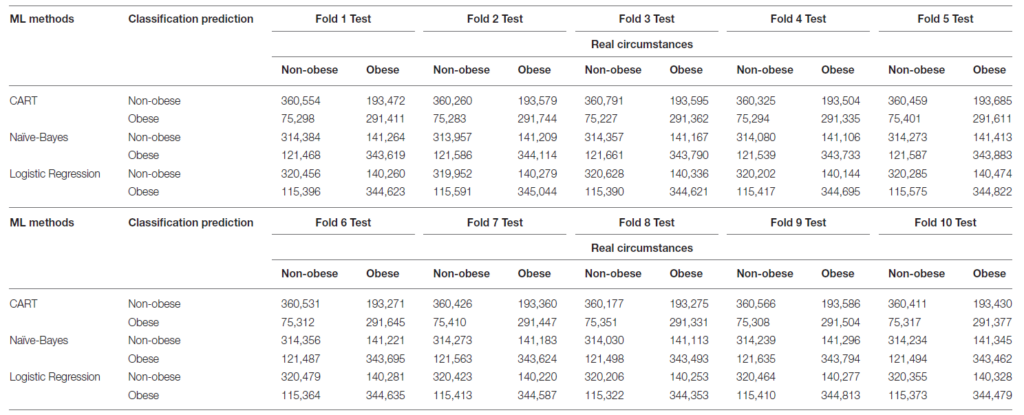
Unlike conventional statistical approaches that rely on limited assumptions, this study compares three machine learning models: Logistic Regression, Classification and Regression Trees (CART), and Naïve Bayes. These models were trained to classify individuals as obese or non-obese based on various risk factors, including diet, lifestyle, and demographic characteristics.
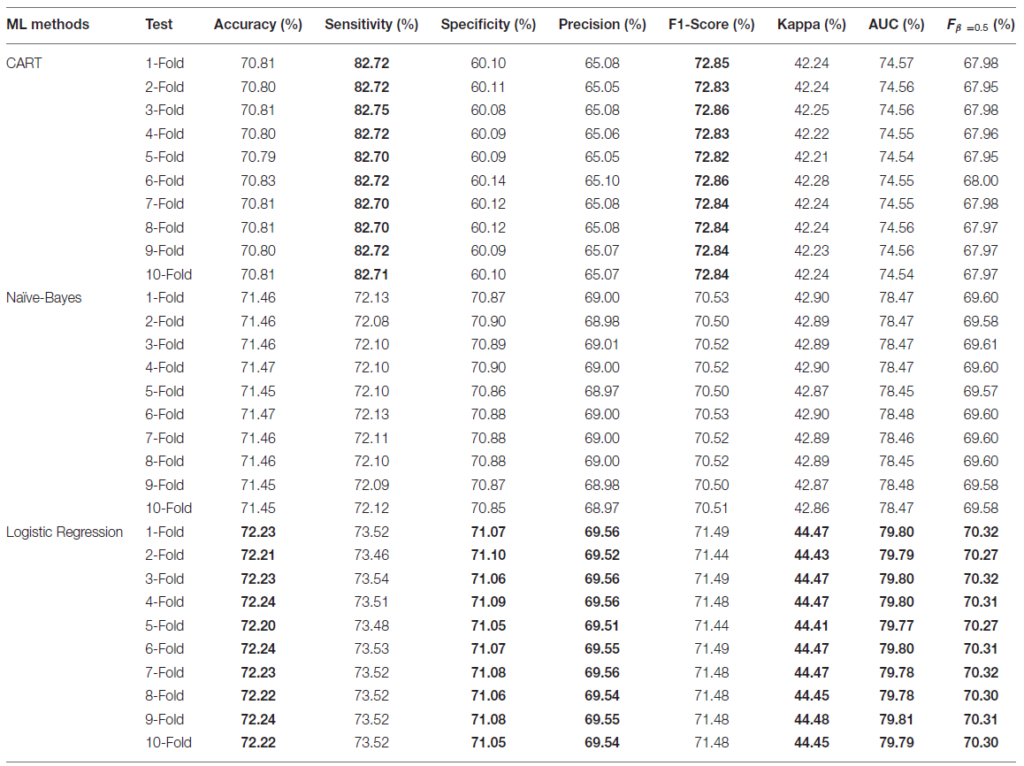
According to the results table on page 7, Logistic Regression outperformed the other models, achieving around 72% accuracy and the highest predictive reliability among the three methods. Meanwhile, CART showed the highest sensitivity (ability to detect obesity cases), and Naïve Bayes offered balanced performance across metrics .
One of the most important findings lies in the identification of key risk factors. The study highlights that variables such as age, marital status, education level, consumption of sugary drinks, fatty foods, physical activity, smoking habits, and fruit and vegetable intake play a significant role in determining obesity risk. The classification tree diagram on page 12 further illustrates how these factors interact to influence outcomes, with lifestyle behaviors emerging as dominant predictors .

This research strongly supports multiple Sustainable Development Goals (SDGs). It contributes to SDG 3: Good Health and Well-being by enabling early detection and prevention of obesity-related diseases. It also aligns with SDG 9: Industry, Innovation, and Infrastructure, showcasing how AI can modernize healthcare systems. Additionally, it supports SDG 17: Partnerships for the Goals, as the study is based on collaborative research using national-scale public health data.
The implications are significant. By leveraging AI, policymakers can design more targeted health interventions—such as promoting healthier diets, increasing physical activity, and improving public awareness. As noted in the study, machine learning can help bridge the gap between data and actionable health strategies, making prevention efforts more effective and efficient .
Ultimately, this research demonstrates that the fight against obesity is not just about individual choices, but also about smarter systems. With AI, we can better understand the risks—and take action before it’s too late.
Article Metadata (Source of This Popular Scientific Writing):
Title: Predicting Obesity in Adults Using Machine Learning Techniques: An Analysis of Indonesian Basic Health Research 2018
Journal: Frontiers in Nutrition
Publisher: Frontiers Media S.A.
Publication Date: 21 June 2021 (Volume 8, Article 669155)
DOI: https://doi.org/10.3389/fnut.2021.669155
Authors & Contact:
Sri Astuti Thamrin*, Dian Sidik Arsyad, Hedi Kuswanto, Armin Lawi, Sudirman Nasir
Hasanuddin University, Makassar, Indonesia
E-mail: tuti@unhas.ac.id
This study reminds us that behind every dataset lies an opportunity—not just to understand problems, but to solve them.