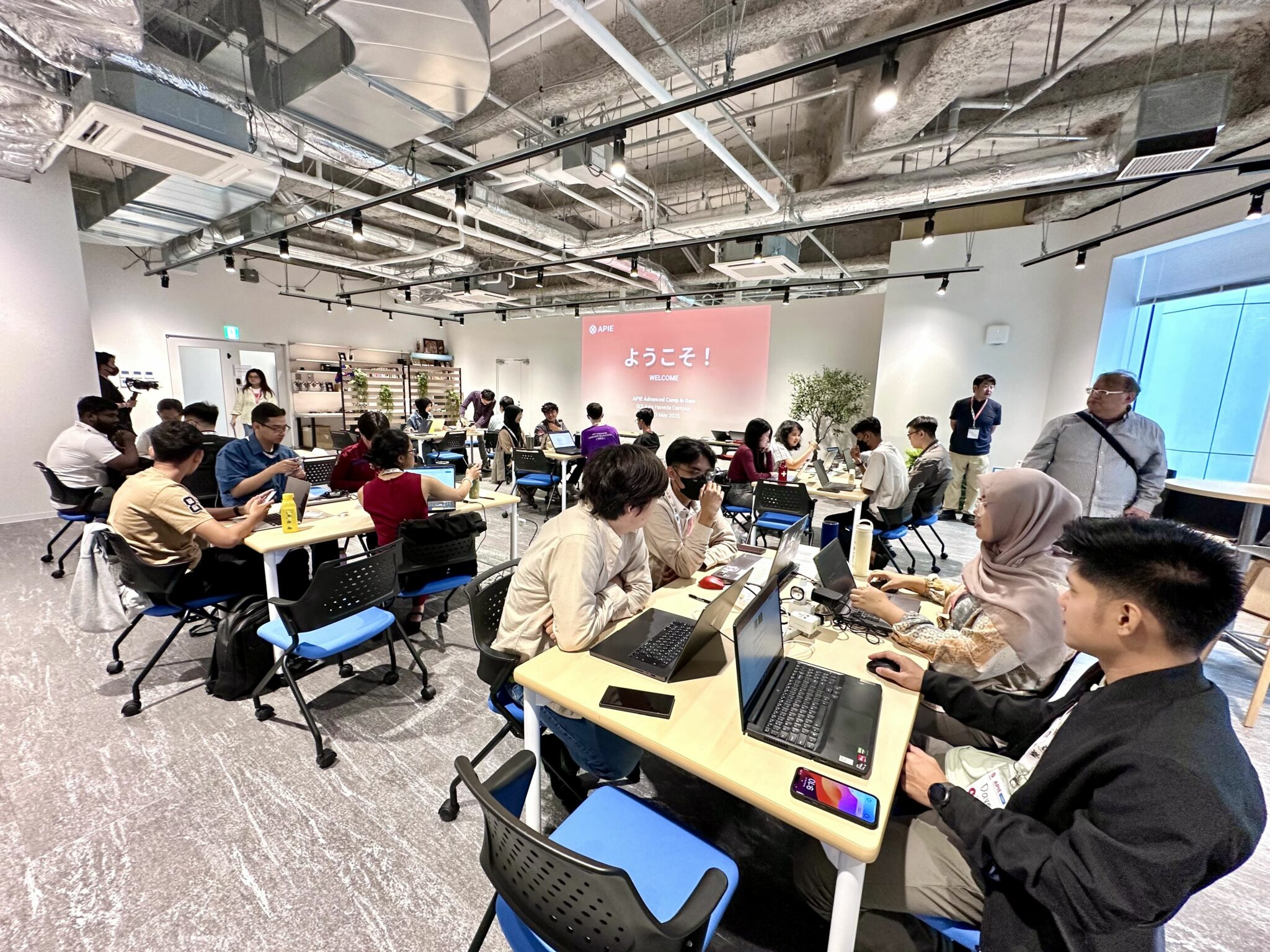

Hasanuddin University had the opportunity to take part in the APIE Advanced Camp #02, a follow-up program organized by SOI Asia at the Haneda Campus in Tokyo. Designed as the next stage in the APIE learning journey, this camp focused on deepening participants understanding of Internet infrastructure, computer architecture, and the development of scalable, reliable, and secure digital services.
The five-day program brought together 24 students from SOI Asia partner universities across Asia, including Indonesia, Japan, Malaysia, Bangladesh, Nepal, the Philippines, and Vietnam. The participation of Unhas highlighted its commitment to strengthening capacity in information and communication technology while fostering cross-border collaboration.
Learning and Collaboration Throughout the Program
The APIE Advanced Camp featured an intensive curriculum divided into several core areas:
- Day 1: Computer architecture, virtualization, and containerization with hands-on practice using Proxmox and Docker.
- Day 2: Web and database integration, including building a minimum working service with Flask and MySQL.
- Day 3: Service monitoring and visualization using Zabbix, syslog, and SNMP, as well as alert configuration via Slack.
- Day 4: Design reviews, scalability, high availability in cloud environments (AWS), and redundancy techniques.
- Day 5: Industry visit to Sojitz Tech-Innovation in Toyosu, followed by a cybersecurity session led by APNIC.
Beyond the technical sessions, the camp also featured “Meet the Internet Engineers,” an interactive forum where participants engaged directly with professionals and academics shaping today’s Internet infrastructure and governance.
Daily Program Highlights
- Day 1 – Computer Architecture and Virtualization.
The camp opened with an orientation led by APIE staff, featuring greetings from Dr. Noriatsu Kudo and Prof. Keiko Okawa. The technical sessions were delivered by Prof. Yuji Sekiya (AITAC) and members of the APIE NOC team, including Yoshito “hayabusa” Kurazumi (Keio University). Participants set up hypervisors and virtual machines using Proxmox on enterprise-grade servers before configuring Docker-based containers to practice basic container operations. - Day 2 – Web and Database Fundamentals
The second day, led by Dr. Seiichi Yamamoto (AITAC), focused on relational databases using MySQL. Participants then advanced to building a simple web service with Flask and MySQL. In the afternoon, Dr. Shun Arima (Keio University) facilitated group discussions to help teams conceptualize their final projects and service ecosystems. - Day 3 – Service Monitoring and Visualization.
Guided by Prof. Yuji Sekiya and Dr. Kunio Akashi, participants implemented monitoring solutions with Zabbix, syslog, and SNMP. Teams visualized system metrics, refined their prototypes, and configured alerts that notified errors via Slack, emphasizing the real-world importance of proactive monitoring. - Day 4 – Design Reviews and High Availability.
The morning began with design review presentations, where each team received constructive feedback from mentors and lecturers. The afternoon session, again led by Dr. Seiichi Yamamoto, highlighted scalability, redundancy, and high availability in cloud environments. Participants worked with AWS to identify single points of failure and integrate scalable, resilient design features into their projects. - Day 5 – Industry Visit and Cybersecurity.
The final day included a site visit to Sojitz Tech-Innovation’s verification test center in Toyosu, where participants learned about performance evaluation, proof-of-concept testing, and post-installation verification from industry engineers. In the afternoon, Sheryl “Shane” Hermoso (APNIC) conducted a cybersecurity workshop covering device and infrastructure security, vulnerability assessment, and packet analysis. The day concluded with interim project presentations from each team. - Meet the Internet Engineers.
The closing dinner featured a special session, “Meet the Internet Engineers,” where participants had the opportunity to interact with more than 30 professionals, academics, APIE alumni, and collaborators. Hosted at Haneda Innovation City, the session provided a platform for open dialogue, career insights, and networking with practitioners who play a key role in Internet infrastructure and governance.
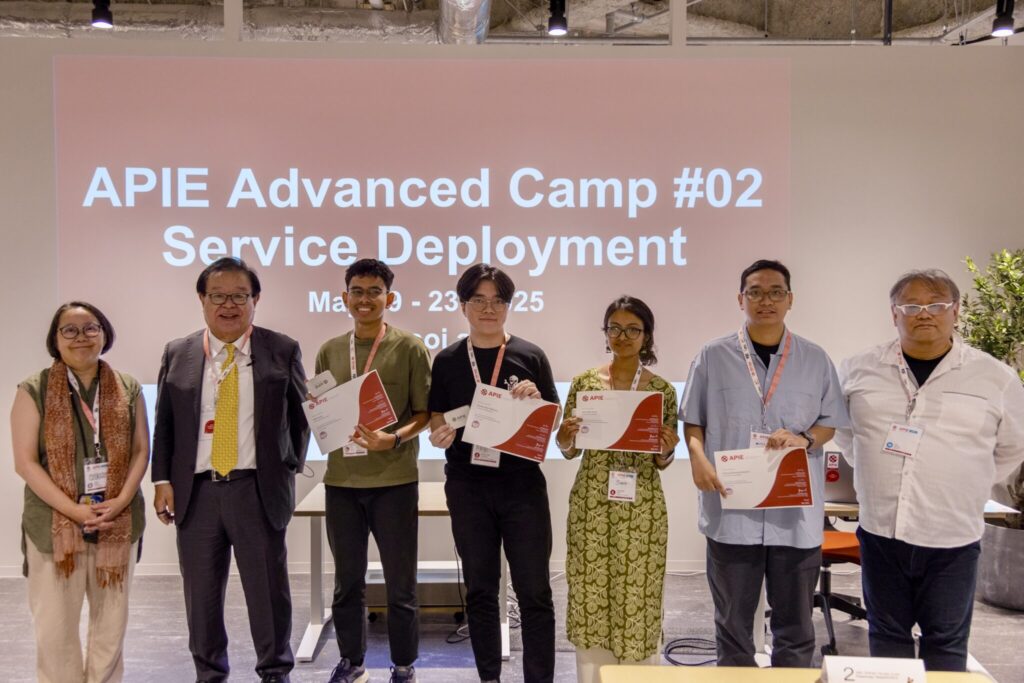
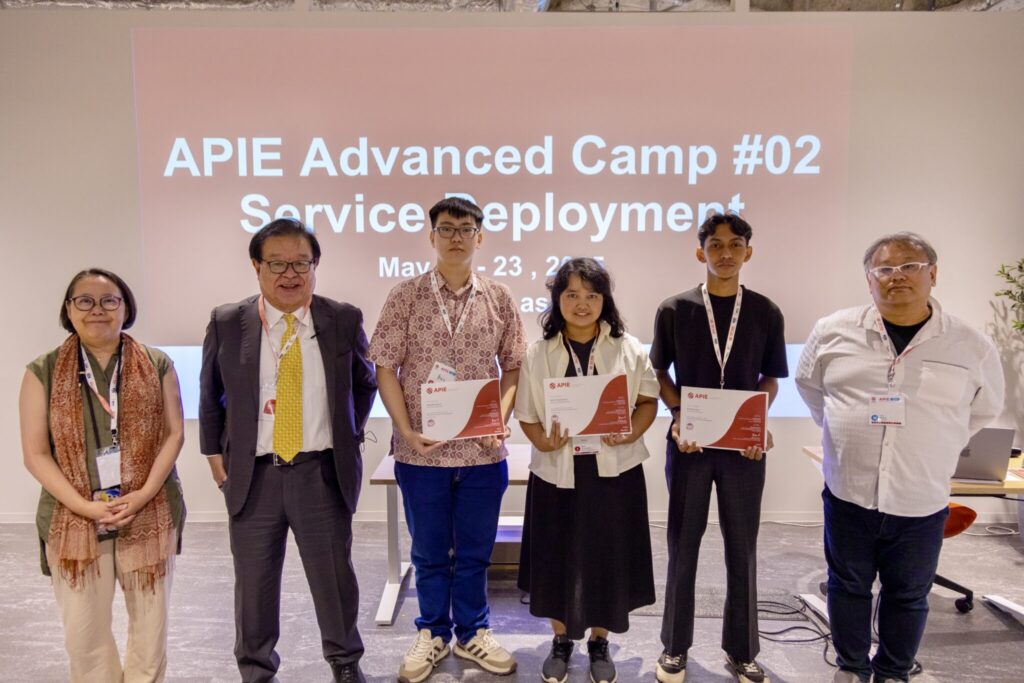
Bringing the week to a close, the camp concluded the following day with certificate presentations from Prof. Jun Murai (Keio University) and small tokens of appreciation for all participants. For Hasanuddin University, the camp was more than a series of workshops — it was an opportunity to learn by doing, to work together, and to connect with peers and mentors. The experience will serve as a foundation for future initiatives.
Perspectives
For students who may have the opportunity to attend the programs in the future, several key takeaways stand out:
- Solid technical preparation is crucial for making the most of hands-on sessions.
- Active engagement in discussions helps broaden perspectives and strengthen collaboration.
- Networking opportunities should not be overlooked, as they provide valuable connections with industry professionals.
By embracing these points, members can ensure that their participation benefits not only their personal growth but also Hasanuddin University as a whole.