
MAKASSAR, Indonesia Aug 30 2026 /CSPA-RG/– Maize is more than a food crop in Indonesia. It is also a major ingredient in animal feed, especially for the poultry industry. As the population grows and demand for chicken protein rises, the need for maize continues to increase. At the same time, climate change threatens maize production by creating less favorable growing conditions. Farmers therefore face a difficult challenge: how can they maintain good yields without relying too heavily on chemical fertilizers?
What if the answer lies in combining modern fertilizer with living soil?
A study titled “Interaction of Nitrogen and Tricho Compost Dosages on Sinhas 1 as Synthetic Maize Variety,” published in the Sarhad Journal of Agriculture by ResearchersLinks Ltd on June 17, 2025, examined how nitrogen fertilizer and tricho compost work together to improve the growth and yield of Sinhas 1 maize.
Sinhas 1 is a synthetic maize variety developed to perform under both favorable and challenging environments. According to the study, it has a potential yield of 10.71 tons per hectare and an average yield of about 7.82 tons per hectare. It can also maintain production under drought and low-nitrogen conditions, making it particularly interesting for farmers facing increasingly uncertain growing environments.
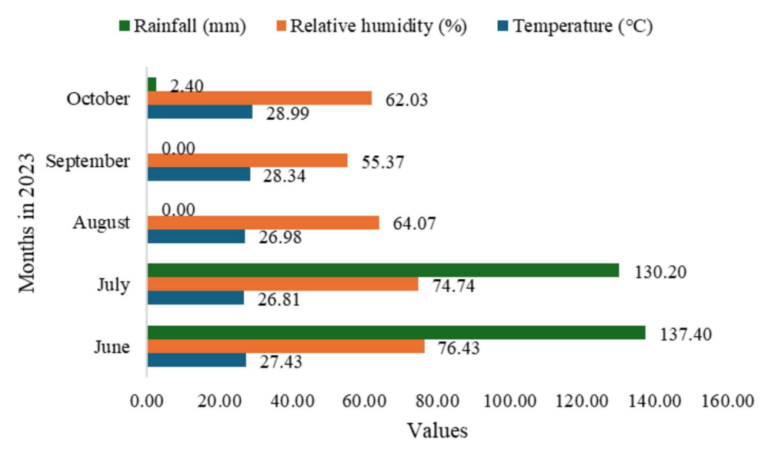
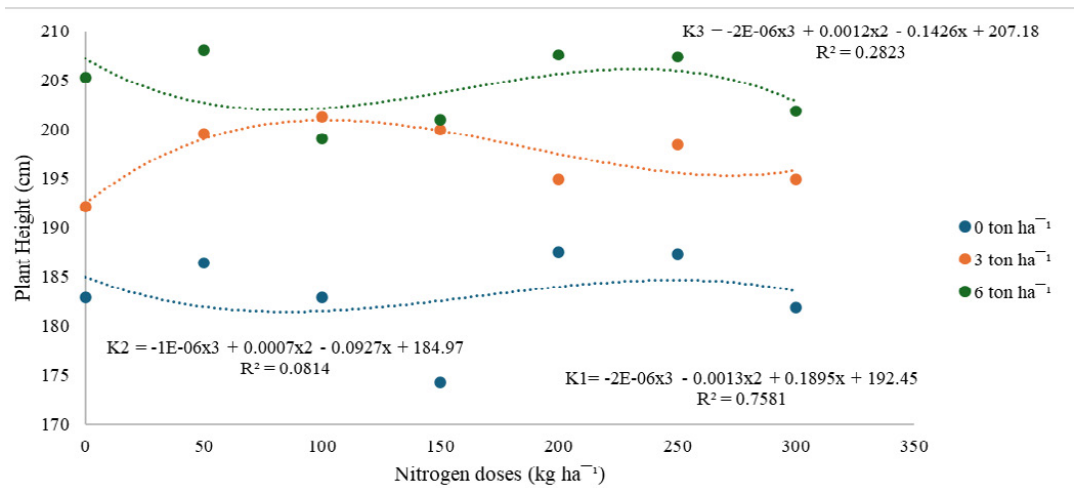
Researchers tested three tricho compost doses—0, 3, and 6 tons per hectare—together with seven nitrogen levels ranging from 0 to 300 kilograms per hectare. In total, 63 experimental units were evaluated in Gowa Regency, South Sulawesi.
Tricho compost is not ordinary compost. It contains Trichoderma microorganisms that help break down organic matter and support healthier soil. The material can improve soil structure, increase nutrient availability, and encourage stronger root development. Nitrogen, meanwhile, is essential for chlorophyll formation, photosynthesis, and plant growth.
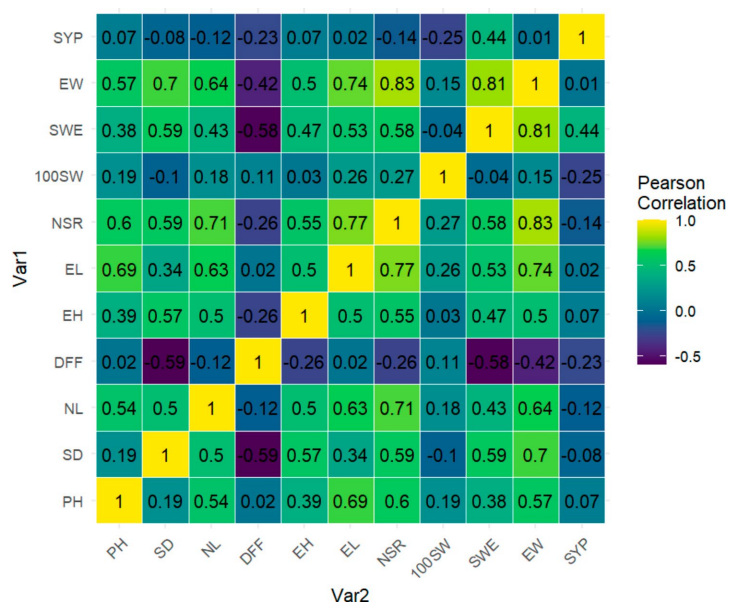
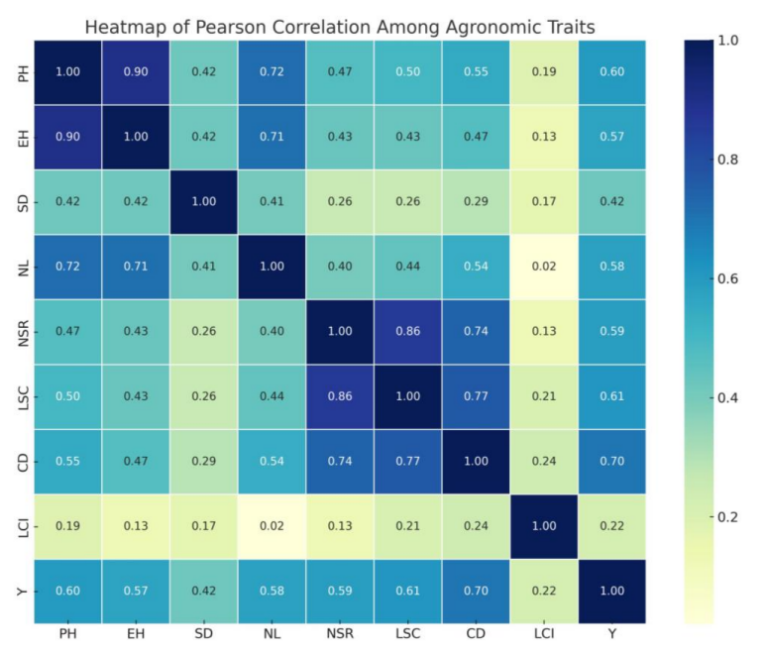
The study found that 3 tons of tricho compost per hectare combined with 150 kilograms of nitrogen per hectare provided the optimal interaction for supporting the growth and yield of Sinhas 1 maize. Plant height and cob weight were also identified as useful indicators for evaluating crop performance.
This finding is directly connected to SDG 15: Life on Land. Healthy agricultural land depends on more than producing high yields. It also requires protecting soil quality and using inputs responsibly. Combining organic tricho compost with nitrogen fertilizer can reduce dependence on inorganic nitrogen while supporting soil biological activity and more sustainable nutrient management.
For farmers, the message is practical: sustainable agriculture does not necessarily mean abandoning chemical fertilizer. It can mean using it more intelligently alongside organic materials that help restore and maintain the soil.
Sometimes, better farming is not about adding more fertilizer. It is about finding the right balance between crop nutrition, living soil, and long-term productivity.
Reference: DOI: https://doi.org/10.17582/journal.sja/2025/41.2.867.874
Contact:
Prof. Ir. Rusnadi Padjung
+62 811-196-658
rusnadi2015@gmail.com