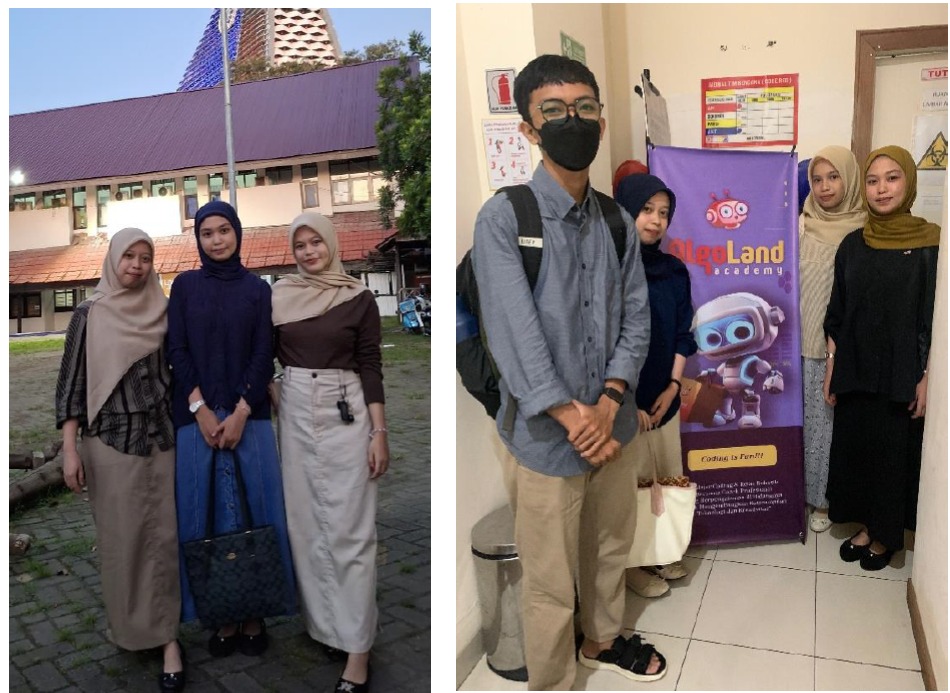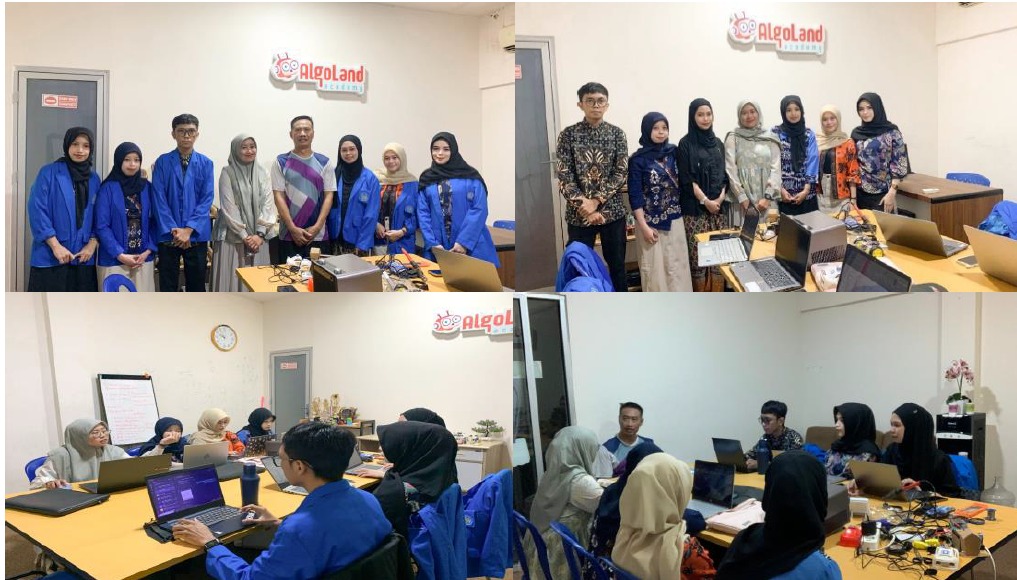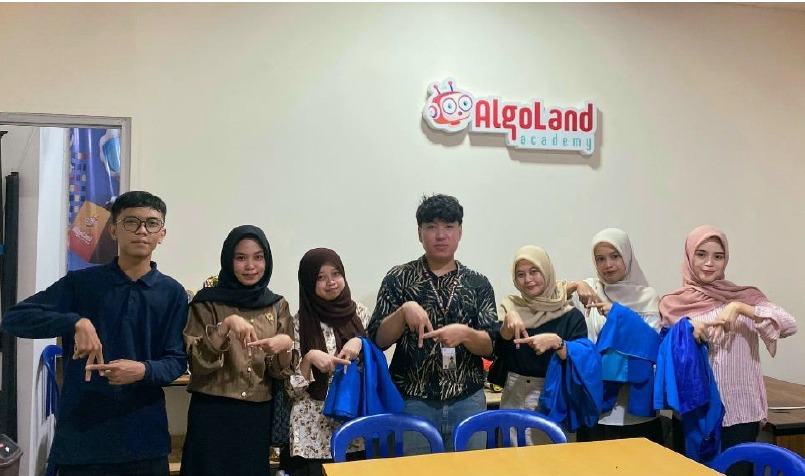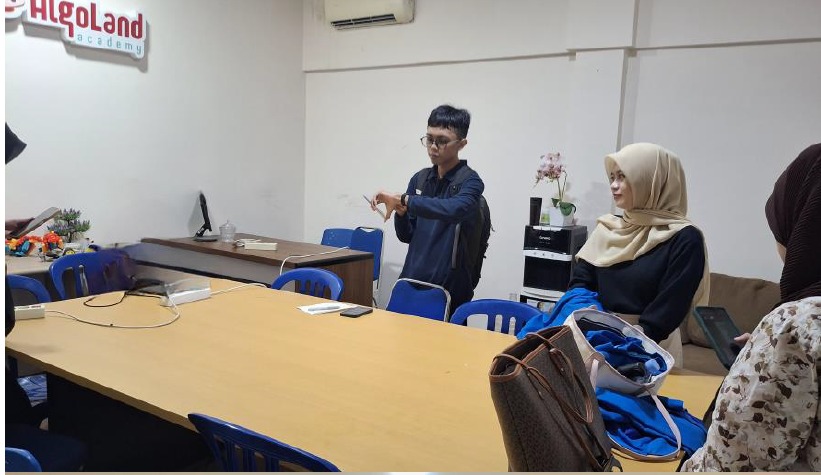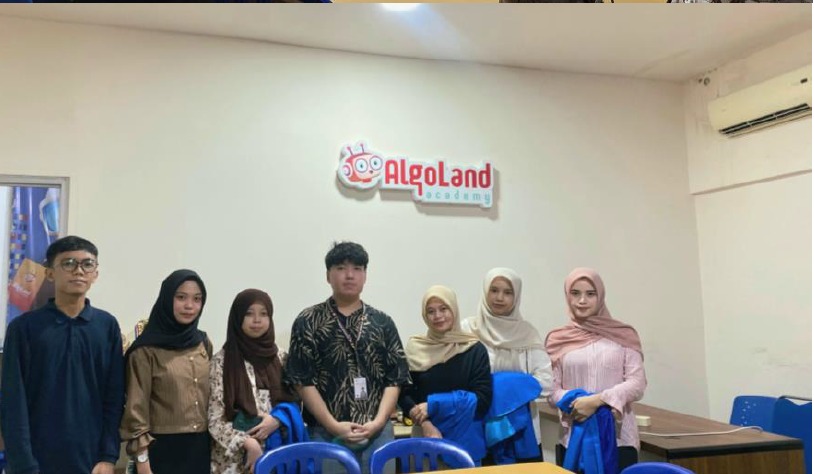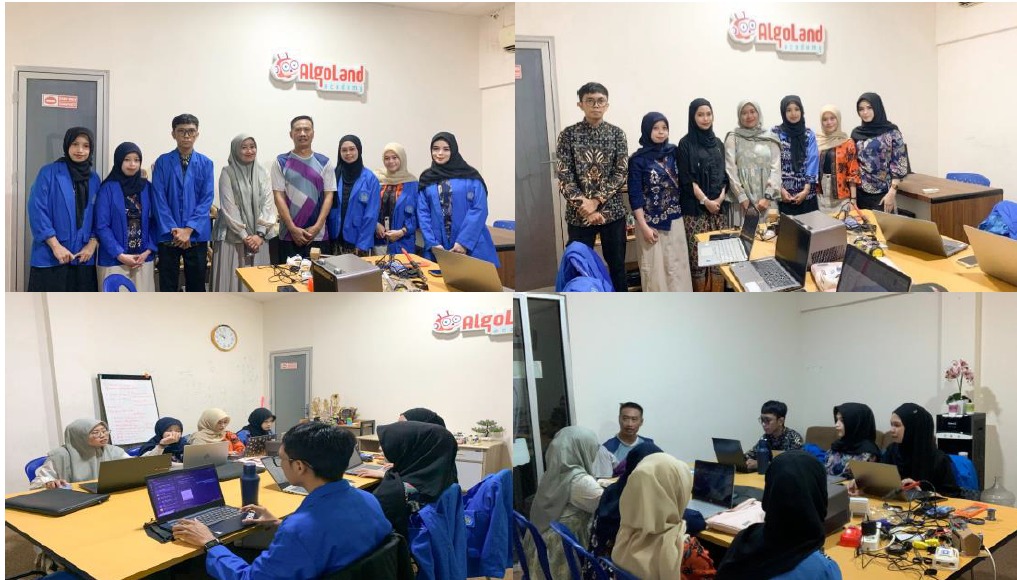

Makassar, June 16, 2025, a significant community service activity titled “Through Audit Simulation in the Process of Financial Report Preparation at UMKM Algoland Academy in Kabupaten Gowa” was initiated. This program was designed to empower UMKM Algoland Academy by providing hands-on assistance in audit processes and the preparation of simple yet standard-compliant financial reports. The activity took place at UMKM Algoland Academy in Kabupaten Gowa, involving a dedicated team of lecturers and students from the Accounting Study Program of Universitas Muhammadiyah Makassar, alongside 12 participants comprising UMKM actors, Algoland staff, leaders, and students.
The primary goal of this initiative was to enhance the capacity of UMKM Algoland Academy in managing their business more effectively and preparing them to face future business challenges. By introducing a practical audit simulation and guiding the UMKM in financial reporting based on the Indonesian Financial Accounting Standards for Micro, Small, and Medium Entities (SAK EMKM), the program aimed to build a culture of transparency, accountability, and sustainability in business practices.
This community service aligns closely with several Sustainable Development Goals (SDGs), particularly SDG 1 (No Poverty), SDG 4 (Quality Education), and SDG 17 (Partnerships for the Goals). The program contributes to SDG 1 by empowering local entrepreneurs to strengthen their economic independence through better financial management. It supports SDG 4 by providing educational opportunities that improve financial literacy and practical skills among UMKM actors and students. Furthermore, it exemplifies SDG 17 by fostering collaboration between academia and local businesses, creating a synergy that enhances community development and knowledge exchange.
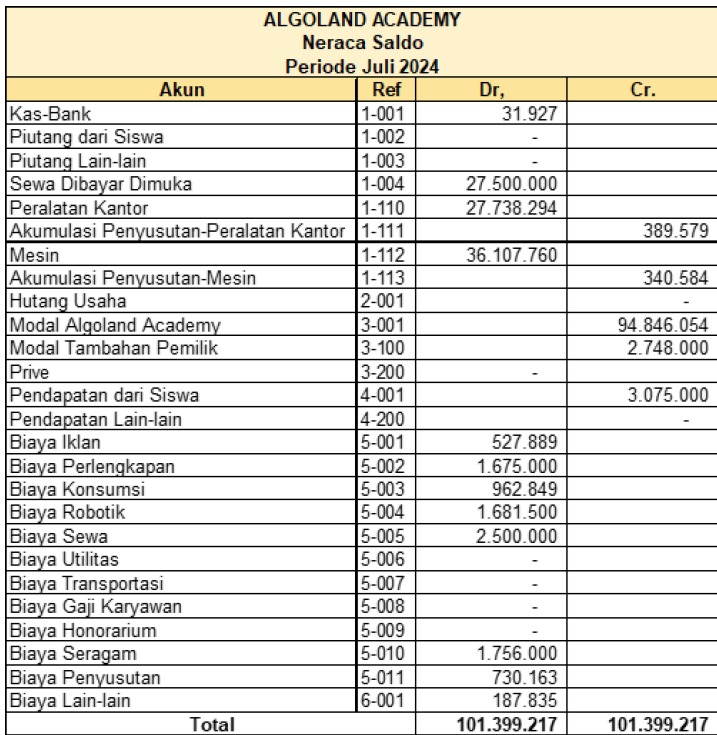
The program unfolded through a series of structured activities, starting with interviews and observations to understand the existing financial management practices at Algoland Academy. The team then conducted sessions on identifying and classifying financial transactions, recording them accurately, and analyzing assets including depreciation costs. A key feature was the audit simulation, where participants learned to verify financial data and identify discrepancies, thus improving the reliability of financial reports.
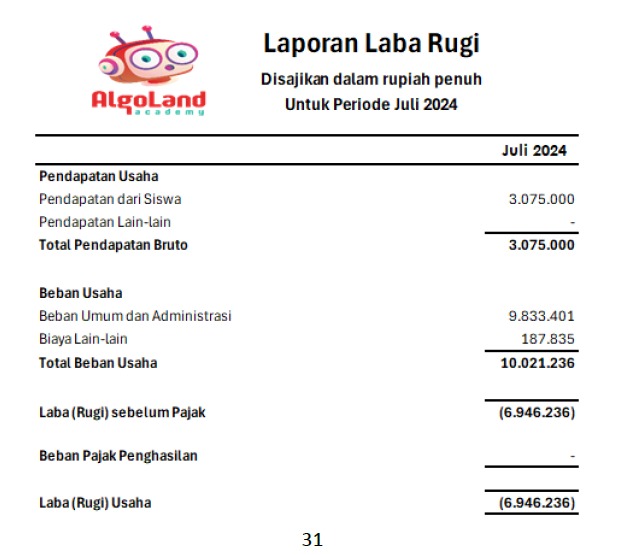
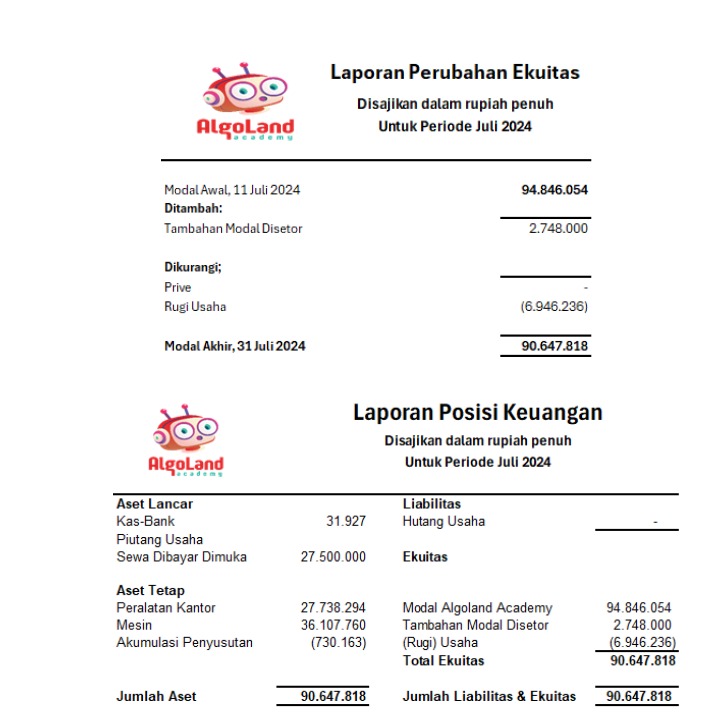
The final stage involved presenting the financial reports for July 2025 to the Algoland Academy team, highlighting the importance of transitioning from cash-based to accrual-based accounting and separating personal and business accounts. These efforts aimed not only to produce immediate deliverables but also to instill sustainable financial management habits.
Through this collaborative and participatory approach, the program has provided UMKM Algoland Academy with practical tools and knowledge to manage their finances better, improve internal controls, and build trust with external stakeholders such as banks and investors. The success of this initiative underscores the value of community service programs that integrate academic expertise with real-world business needs, ultimately contributing to stronger local economies and sustainable development.