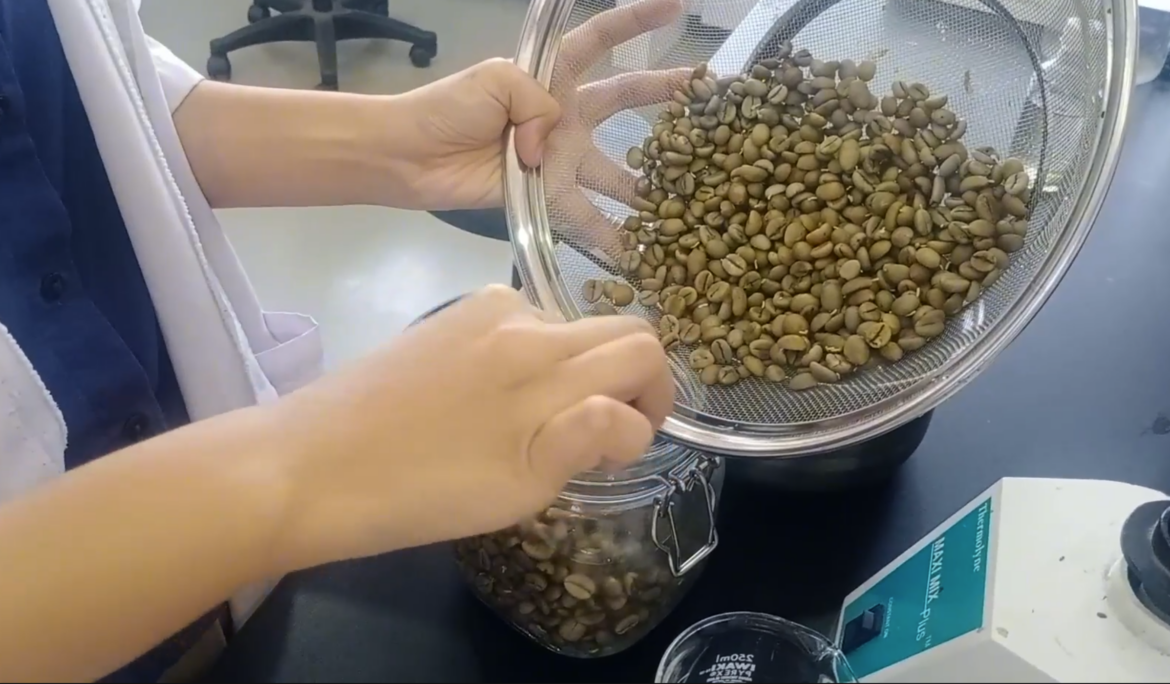
Germination occurs when coffee seeds are freed from inhibitory factors such as osmotic pressure from the pulp, germination inhibitors, and phytohormones present in the pulp. Dried coffee beans undergo a dormancy phase prior to germination. During germination, the mobilization of fats, proteins, and carbohydrate polymers takes place. This process releases free amino acids and simple sugars, while increasing soluble carbohydrates. These components play a critical role as aroma precursors during the roasting of coffee green beans.
Generally, germination is divided into three phases: (1) water imbibition, (2) metabolic reactivation, and (3) radicle protrusion. In the initial phase, water imbibition occurs as water diffuses into the cells, softening the endosperm wall. Water absorption stimulates gibberellic acid to activate α-amylase and other hydrolytic enzymes, which provide energy for cell division. Factors influencing seed germination include internal elements such as seed dormancy and germination inhibitors, as well as external environmental conditions like water, light, oxygen, temperature, and nutrients.
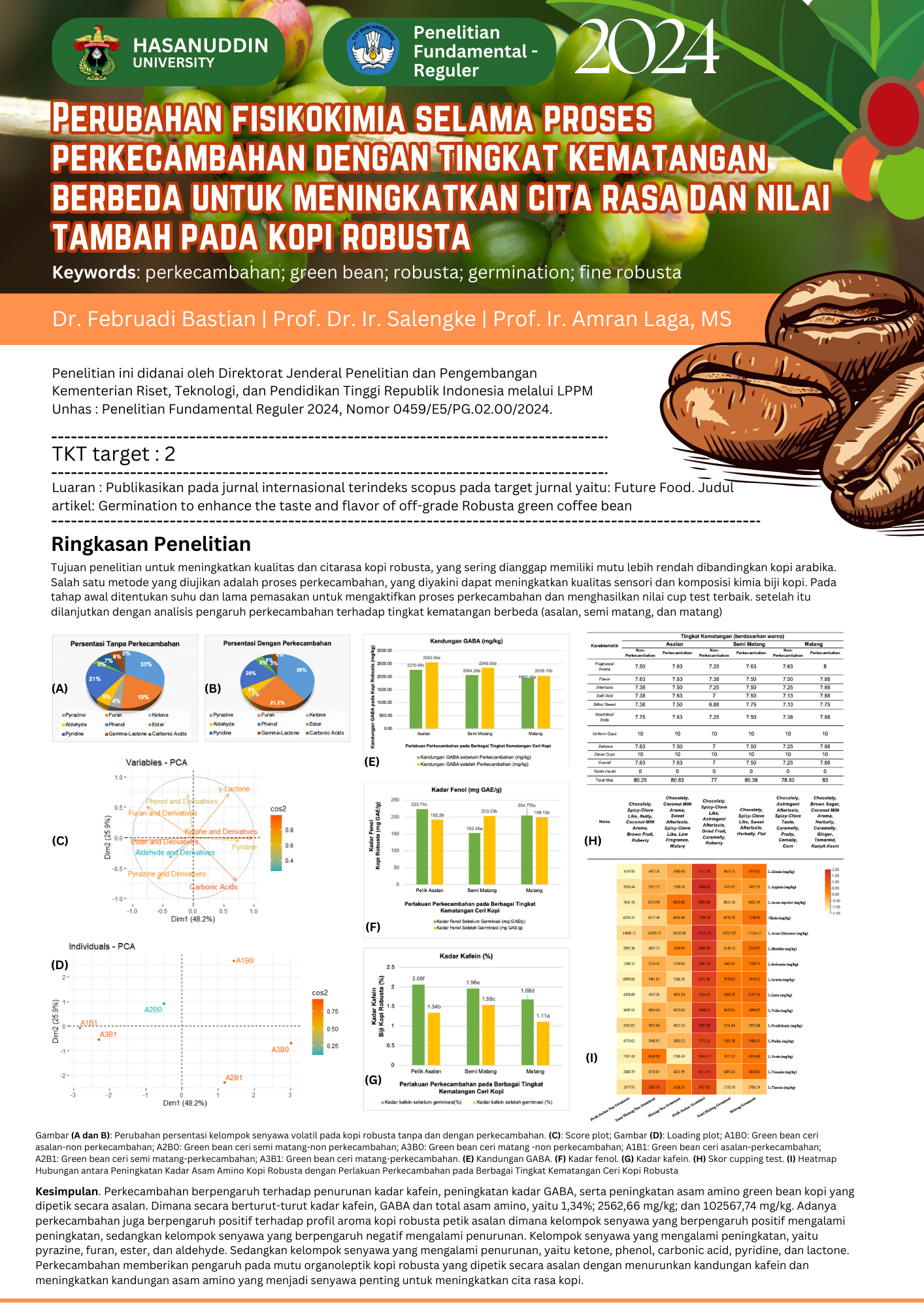
Germination preserves amino acid content, enhances functional compounds, activates dormant nutrients, and reduces anti-nutritional factors. In coffee, germination increases chlorogenic acid levels, which contribute to flavor and aroma development. Chlorogenic acid also functions as an antioxidant with various health benefits. Beyond germination, post-harvest processing—particularly drying—impacts the functional compounds in green beans. During drying, water scarcity in growing seeds induces stress, triggering stress metabolism that leads to the production of γ-aminobutyric acid (GABA).

Conclusion
From this study, we conclude that the germination process enhances coffee flavor, reduces caffeine content, increases γ-aminobutyric acid (GABA), and elevates total free amino acids. Germination also boosts flavor compounds positively associated with preferred aroma and taste—such as pyrazines, aldehydes, furans, and esters—while reducing compounds linked to undesirable flavors, including pyridines, lactones, carbonic acids, and ketones.