Coffee is more than an agricultural commodity; it represents an important part of Indonesia’s agricultural heritage, local economy, and scientific potential. Understanding coffee requires knowledge of its cultivation, post-harvest processing, fermentation, and quality evaluation. Sharing this knowledge with international students provides an opportunity to introduce Indonesia’s coffee resources while encouraging cross-cultural learning and academic collaboration. In this spirit, a coffee-focused educational session was delivered as part of the Summer Course program organized through a collaboration between Hasanuddin University and Hiroshima University, Japan.
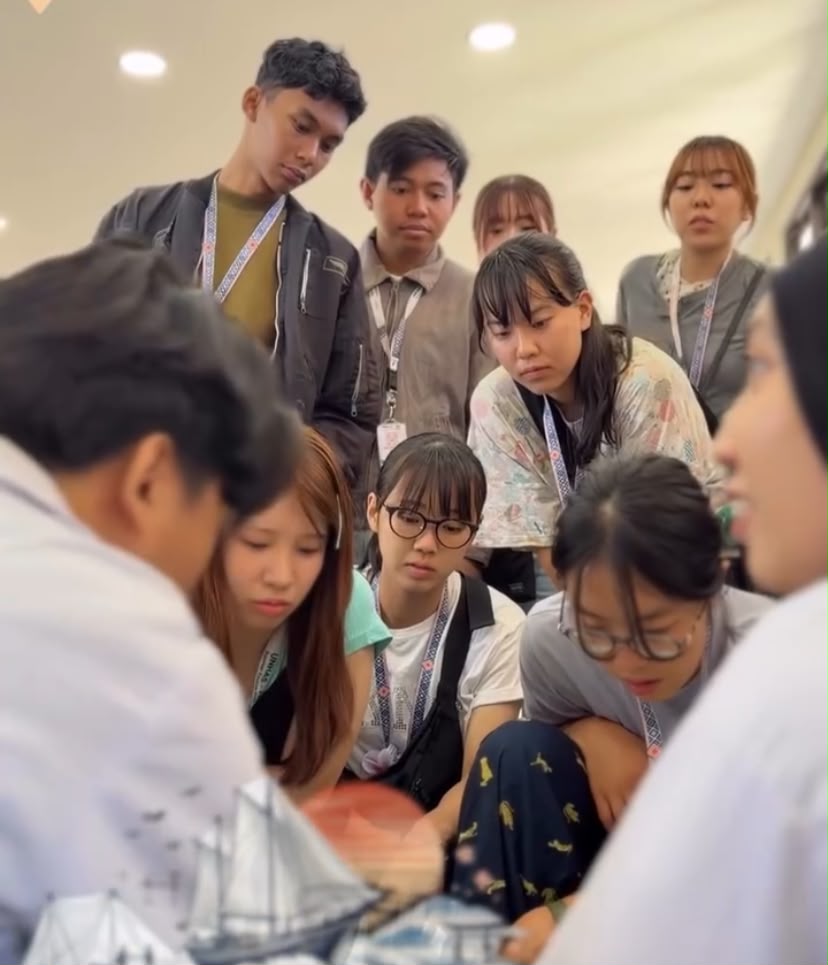
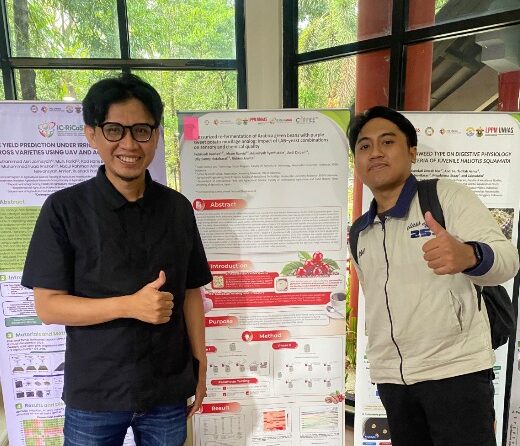
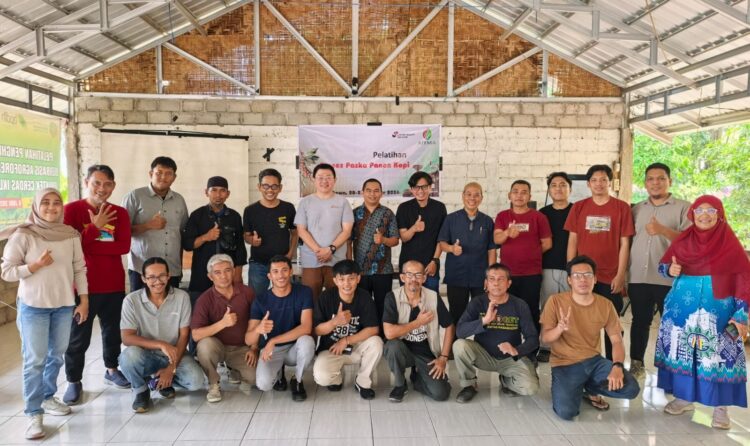
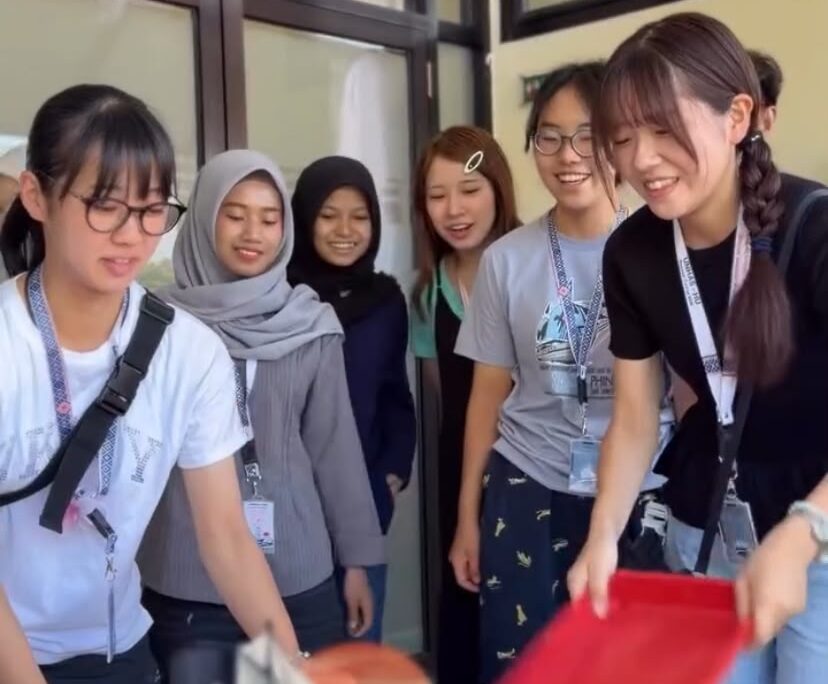
The activity, entitled “Guest Lecture on Coffee in the Hasanuddin University–Hiroshima University Summer Course,” was conducted on 31 August 2026 at Hasanuddin University, Makassar, Indonesia. The session involved 17 participants, consisting of representatives from the International Office (IO) of Hasanuddin University, two representatives from the Thematic Research Group, namely Dr. Februadi Bastian, S.TP., M.Si., and Irham Rasyid, S.TP., and 13 students: Andi Naylah Batari Luwu Gani, Nur Muliana, Zakiyyah Nur Safitri, Naylah Rhatu Aisyah, Andrew Bangkit, A. Tzofyah Humayrah, Siti Maysarah, Febrio Rynaldo Tanwar, Andi Arnan, Insani Latifah, Shabrina Rafidah Harun, Nurhanifauziah Wijaya, and Harum Bunga Cinta.
During the session, the participants were introduced to the fascinating world of Indonesian coffee, particularly its production systems and the scientific principles underlying coffee quality development. The material explored several important aspects of coffee, including coffee varieties, cultivation environments, post-harvest processing methods, fermentation technologies, and sensory characteristics. Particular attention was given to the role of microorganisms in coffee fermentation and how controlled fermentation can influence the development of flavor and aroma. Through this discussion, participants gained insights into how scientific research and technological innovation can contribute to improving coffee quality and creating distinctive specialty coffee products.
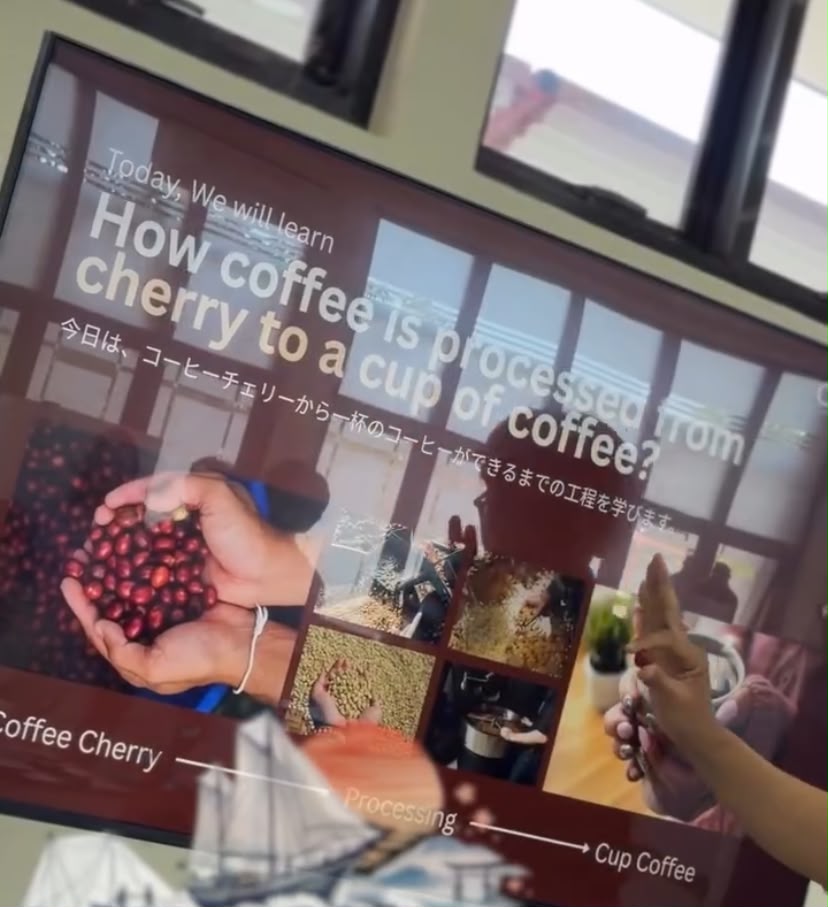
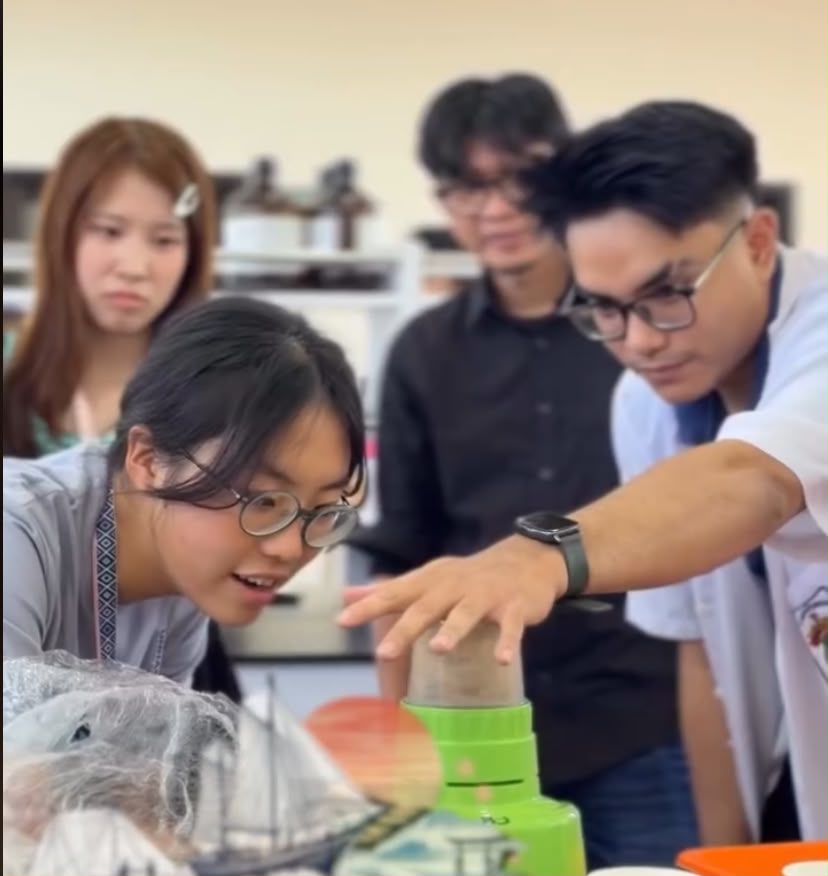
The lecture also provided an opportunity for participants from different academic and cultural backgrounds to exchange perspectives on coffee as an agricultural product and a globally valued beverage. By connecting scientific concepts with practical applications, the session encouraged students to appreciate the relationship between agricultural resources, food science, biotechnology, and product innovation. This international learning environment also highlighted the importance of Indonesia’s coffee sector as a potential subject for future research and academic cooperation.
This activity supports Sustainable Development Goal (SDG) 1: No Poverty by introducing the potential of coffee innovation to increase product value and create economic opportunities for coffee-producing communities. It also contributes to SDG 4: Quality Education by providing access to scientific knowledge, promoting international learning experiences, and encouraging knowledge exchange among students and academics. Furthermore, the collaboration between Hasanuddin University and Hiroshima University reflects SDG 17: Partnerships for the Goals, demonstrating the importance of international academic partnerships in advancing education, research, and innovation.
Overall, this educational activity represents a valuable contribution to international knowledge exchange and the promotion of Indonesian coffee. Through academic collaboration and accessible scientific communication, the Summer Course strengthened participants’ understanding of coffee while opening opportunities for future cooperation in food science, agricultural innovation, and sustainable coffee development.