High-quality coffee is not determined solely by the variety of coffee plants or the conditions in which they grow. Post-harvest processing plays an equally important role in shaping the final quality, flavor, and market value of coffee. Proper handling, processing, fermentation, drying, and storage are essential to maintaining bean quality and meeting international market expectations. Recognizing the importance of these practices, a Good Processing Practice (GPP) training program organized by the Coffee Quality Institute (CQI) was conducted at Kampung Kopi Bawakaraeng, Gowa, South Sulawesi, Indonesia.
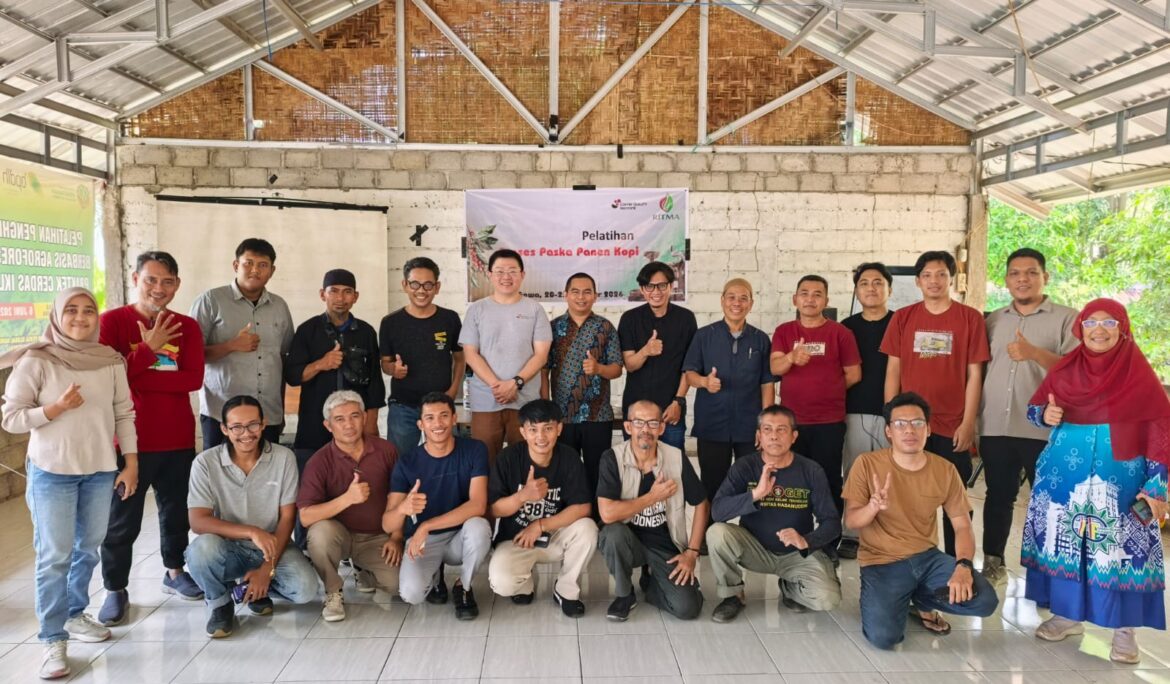
The activity, entitled “Coffee Post-Harvest Processing Training (Good Processing Practice) by the Coffee Quality Institute (CQI),” was held on 20–22 October 2026, at Kampung Kopi Bawakaraeng, Gowa, South Sulawesi, Indonesia, involving 21 participants. The participants included members of RITMA, a partner of the TRG (Thematic Research Group), as well as representatives from TRG, namely Dr. Februadi Bastian, S.TP., M.Si., and Irham Rasyid, S.TP. The training was facilitated by Johan Kwe, a CQI Q-Processing professional, who provided technical guidance and practical insights into internationally recognized coffee processing practices.
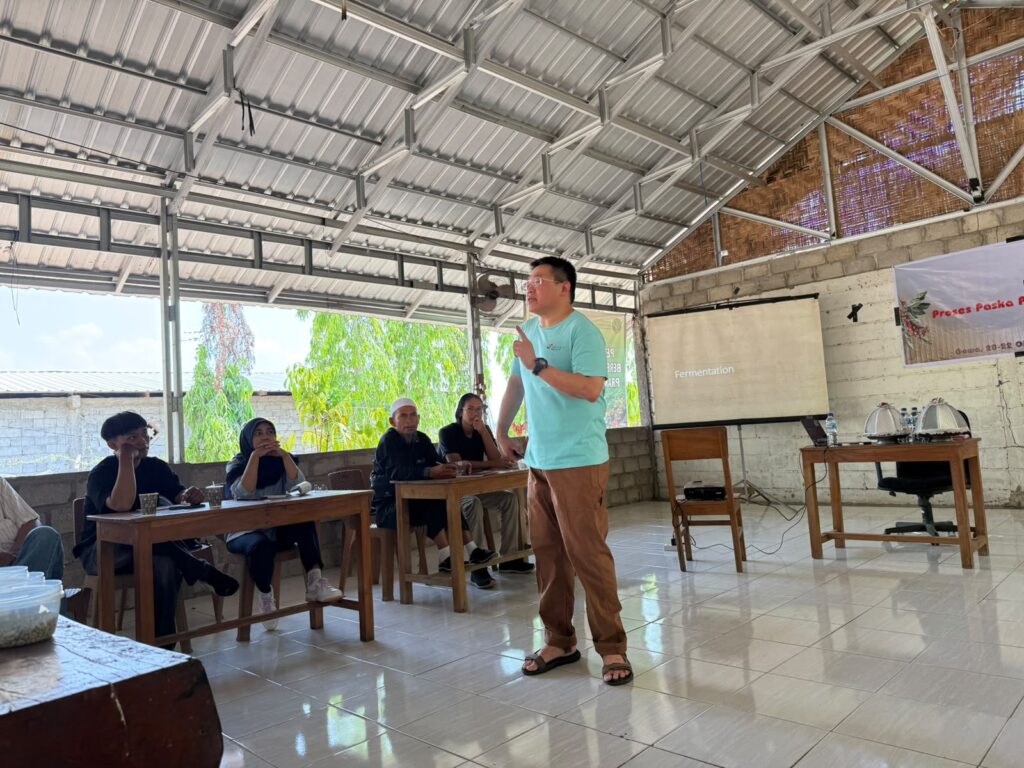
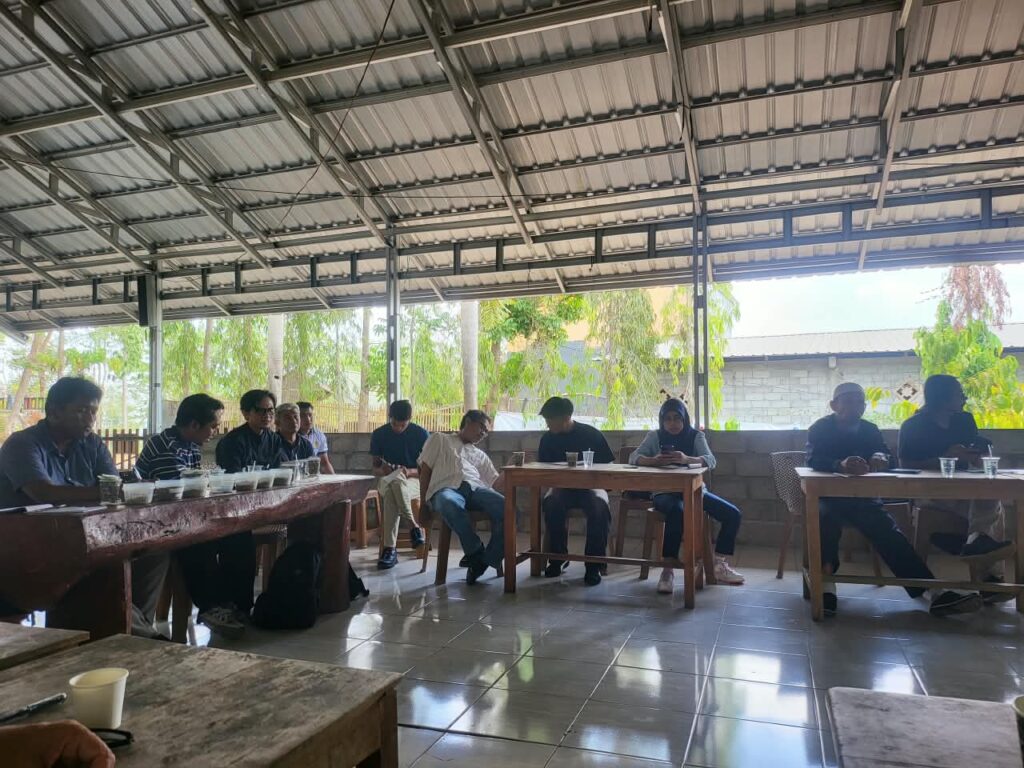
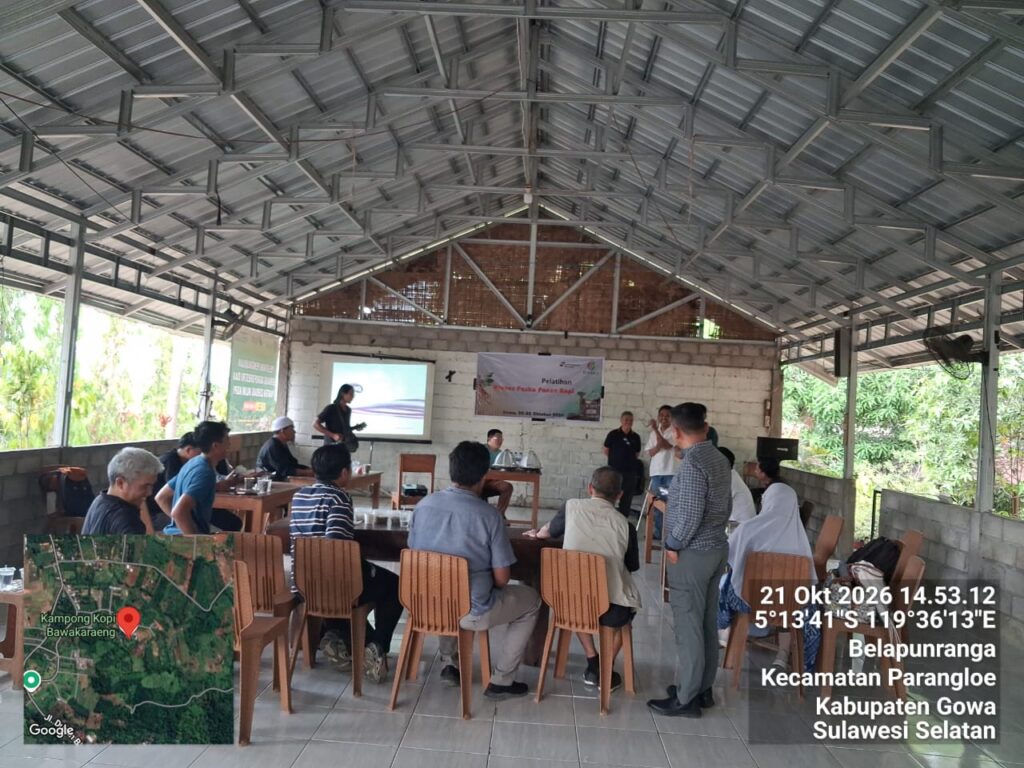
Throughout the training, participants were introduced to the fundamental principles of Good Processing Practice in coffee production. The sessions covered important aspects of post-harvest handling, including coffee cherry selection, processing methods, fermentation management, drying techniques, storage conditions, and quality control. Participants also learned how processing decisions at each stage can influence physical bean characteristics, consistency, and the development of desirable sensory attributes.
A key component of the program was the integration of theoretical knowledge with practical learning. Through direct demonstrations and discussions, participants gained a better understanding of how to identify potential processing problems, minimize contamination risks, maintain processing hygiene, and implement appropriate procedures to preserve coffee quality. These skills are particularly important for coffee producers and processors who aim to develop products that meet the expectations of specialty coffee markets.
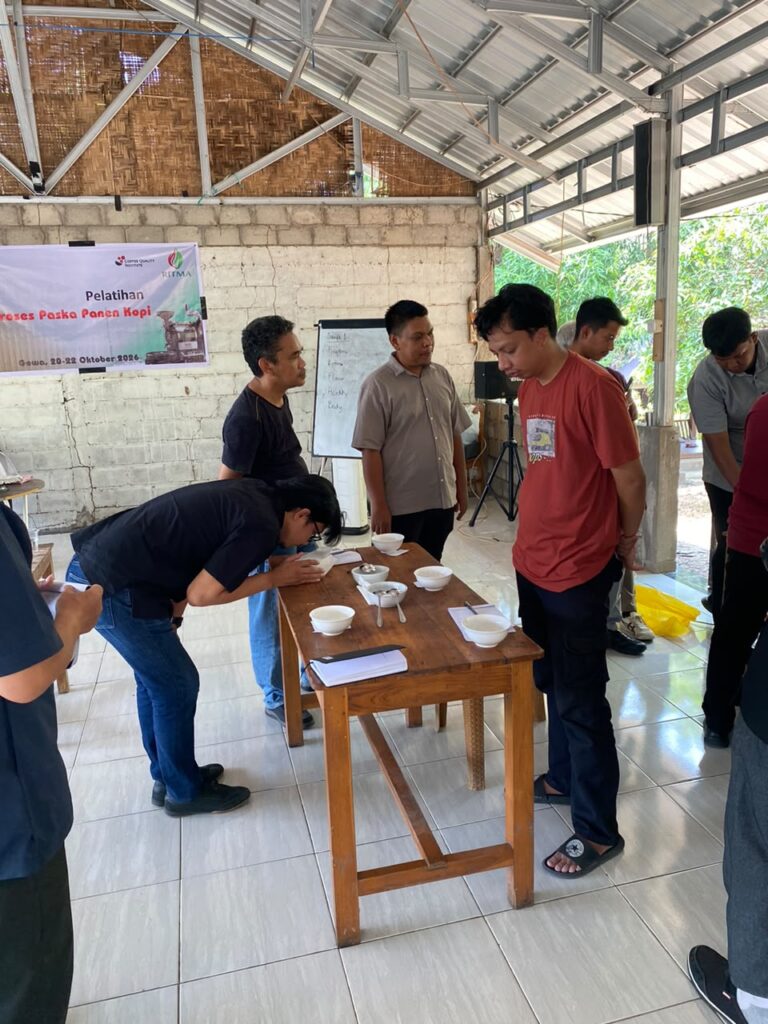
Beyond technical competencies, the training also highlighted the importance of standardized processing practices in strengthening the competitiveness of Indonesian coffee. By understanding internationally recognized quality requirements, participants are expected to apply more systematic and consistent processing methods in their respective businesses and communities. The program also provided an opportunity to pursue professional recognition through the CQI Good Processing Practice training and its associated certification pathway, subject to the applicable assessment requirements.
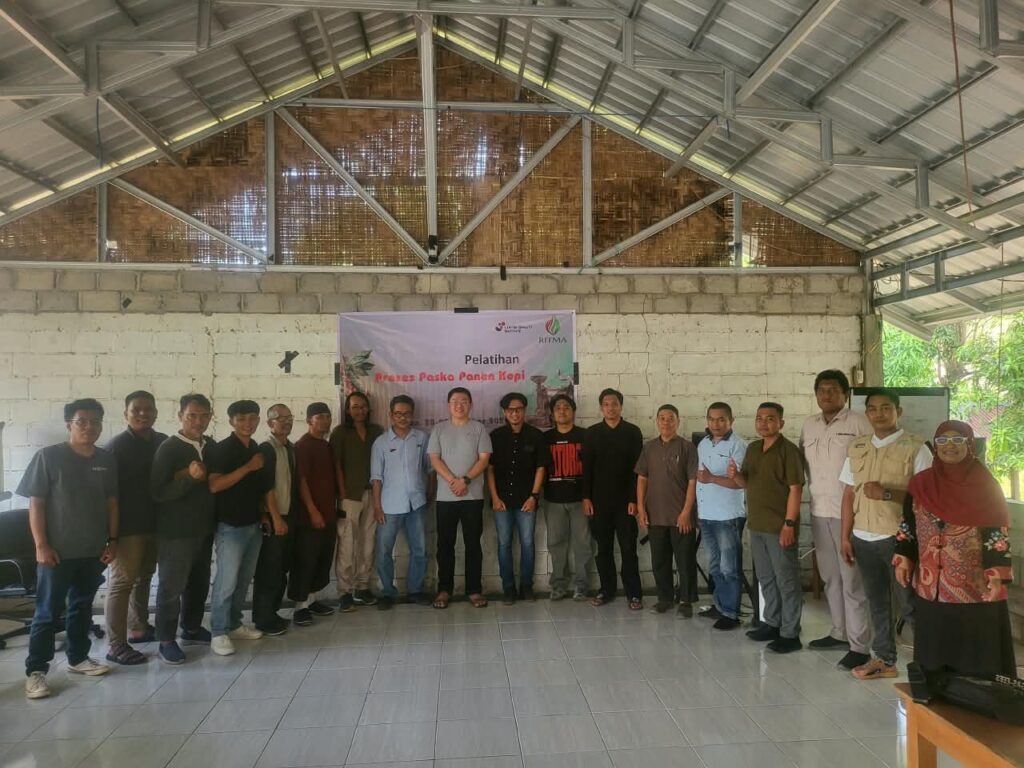
This initiative contributes to Sustainable Development Goal (SDG) 1: No Poverty by strengthening the technical capabilities of coffee producers and processors, creating opportunities to increase product value and improve income potential. It also supports SDG 4: Quality Education through practical, competency-based learning and the transfer of specialized knowledge. Furthermore, collaboration between TRG, RITMA, and CQI reflects SDG 17: Partnerships for the Goals, demonstrating how academic institutions, industry partners, and professional organizations can work together to advance sustainable coffee development.
Overall, the training represents an important investment in human resource development and the improvement of Indonesia’s coffee post-harvest sector. Through internationally oriented knowledge, practical experience, and stronger partnerships, participants are better equipped to contribute to consistent coffee quality and a more competitive and sustainable coffee industry.