The Matching Fund 2023 program, conducted by Universitas Hasanuddin in collaboration with PT. Ritma Hijau Bersinergi (Ritma Green) and CV. Kawali Coffee Farm, aimed to develop Fine Robusta coffee and its diversified products. The initiative focused on improving post-harvest handling and processing techniques for Robusta coffee, which is predominantly grown in Indonesia, particularly in South Sulawesi. Despite being one of the largest producers of Robusta coffee globally, Indonesia has struggled to produce high-quality Fine Robusta due to inadequate post-harvest practices among farmers.
Background and Objectives
Robusta coffee accounts for 75.24% of Indonesia’s total coffee production, yet it is often considered inferior to Arabica due to poor post-harvest handling. The project sought to address this gap by introducing appropriate technologies and standard operating procedures (SOPs) for producing Fine Robusta. The objectives included:
- Enhancing the quality of Robusta coffee to meet international standards.
- Increasing the market value of Robusta green beans from Rp 35,000/kg to Rp 60,000–75,000/kg.
- Empowering local farmers through technology transfer and capacity building.
- Strengthening collaboration between academia, industry, and farmers to boost research, innovation, and community engagement.
Preliminary Results
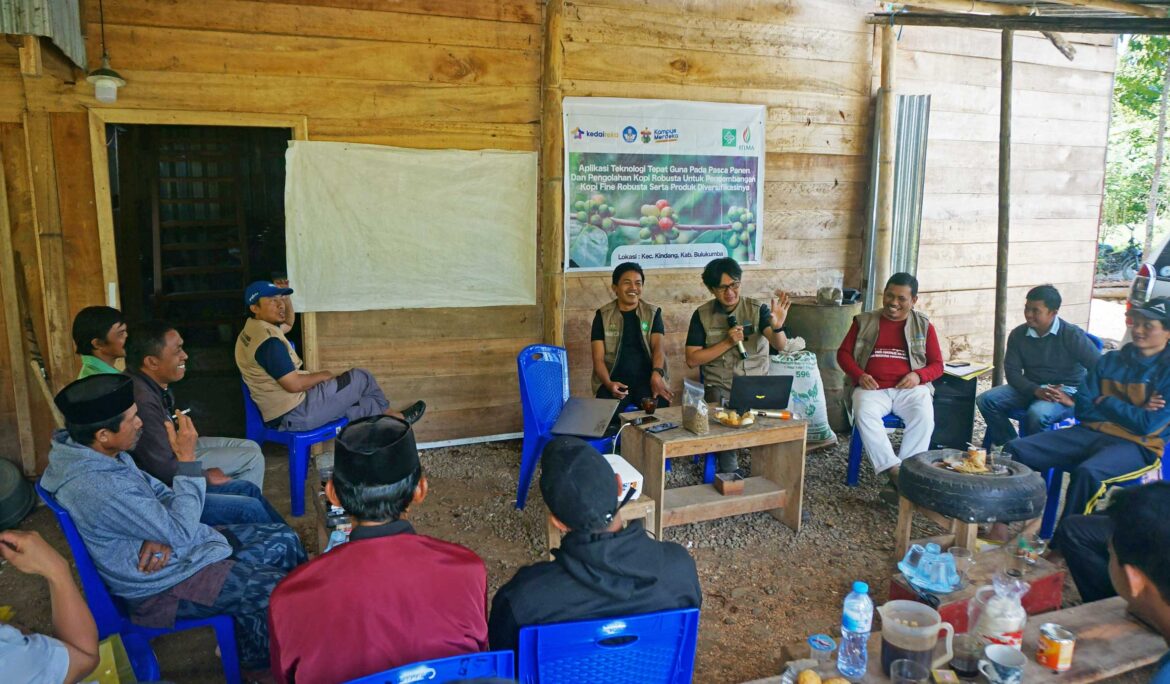
- Farmer Engagement: Farmers gained awareness of the importance of proper post-harvest handling, leading to improved coffee quality.
- Technology Adoption: The introduction of SOPs and hands-on training facilitated the adoption of better practices among farmers.
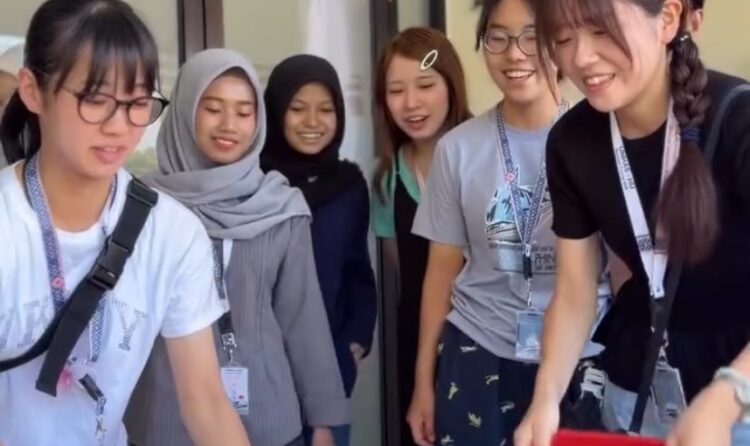
- Student Involvement: Participating students played an active role in disseminating knowledge and assisting farmers, contributing to their experiential learning.
- Quality Improvement: Preliminary results indicated enhanced coffee quality, positioning the product closer to Fine Robusta standards.
Expected Outcomes
The program was executed in several stages:
- Coordination Meetings and SOP Development : Initial coordination meetings were held to establish timelines, assign responsibilities, and recruit students under the MBKM (Merdeka Belajar Kampus Merdeka) program. SOPs tailored to the existing conditions of partner farms were developed.
- Student Recruitment and Training : A total of 10 students from the Faculty of Agriculture and Forestry were selected after a rigorous screening process. They underwent training in cultivation, pest management, post-harvest processing, and cupping tests.
- Field Implementation: Activities were carried out in three partner locations—Maros, Bulukumba, and Pinrang.
- Key interventions included:
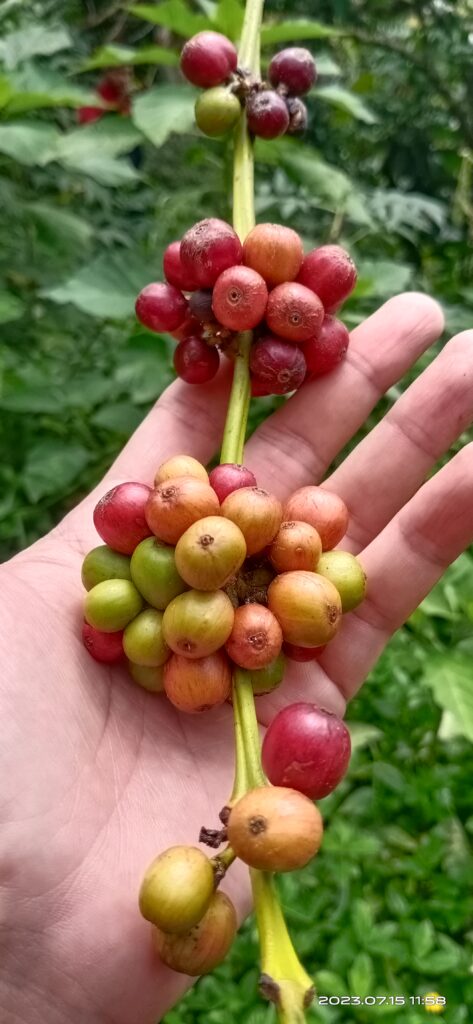
Harvesting and Sorting : Farmers were trained to selectively harvest ripe cherries and sort them manually. - Fermentation and Drying: Two processing methods were introduced: natural drying and semi-washed fermentation. Both methods emphasized proper drying techniques to achieve optimal moisture content (11–12%) and prevent mold growth.
- Key interventions included:
- Quality Validation: Samples from each location were sent to the Teaching Industry Unit at Universitas Hasanuddin for validation. Laboratory analyses ensured compliance with quality standards.
Expected Outcomes
The program is expected to yield significant benefits for all stakeholders:
- For Farmers: Increased income due to higher-quality coffee and better market prices.
- For Partners: Enhanced competitiveness in the global coffee market through the production of Fine Robusta.
- For Academia: Strengthened research capabilities, increased industry collaboration, and alignment with national higher education performance indicators (IKU).

Conclusion
The Matching Fund 2023 initiative represents a strategic effort to elevate Indonesia’s Robusta coffee industry by addressing critical gaps in post-harvest practices. Through collaborative efforts between academia, industry, and farmers, the program has laid the foundation for sustainable development and innovation in the coffee sector. By empowering local communities and fostering technological advancements, the project aims to position Indonesian Fine Robusta as a competitive player in the international market.