
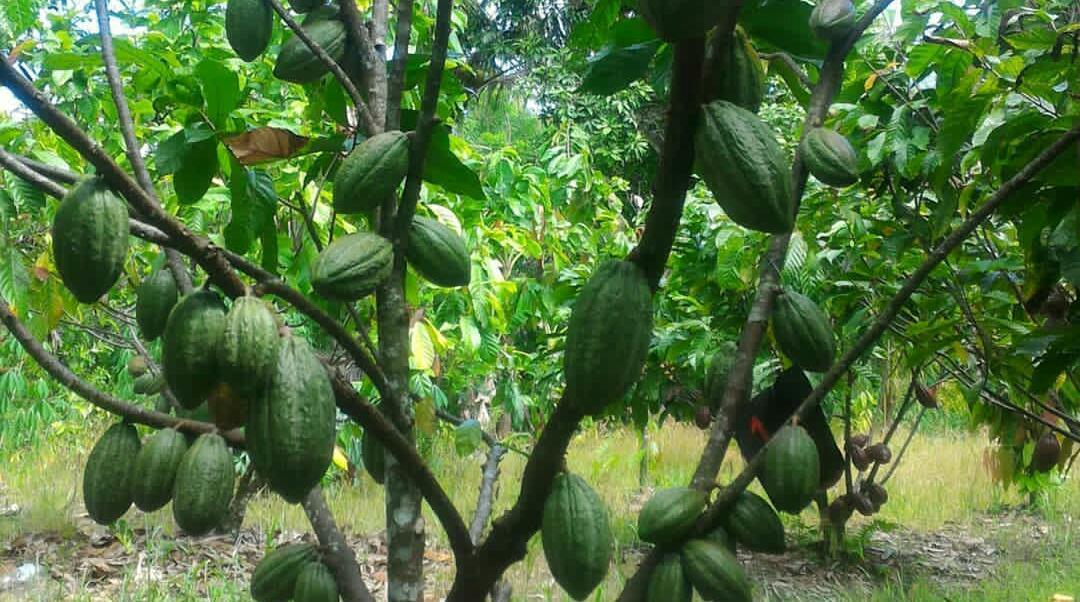
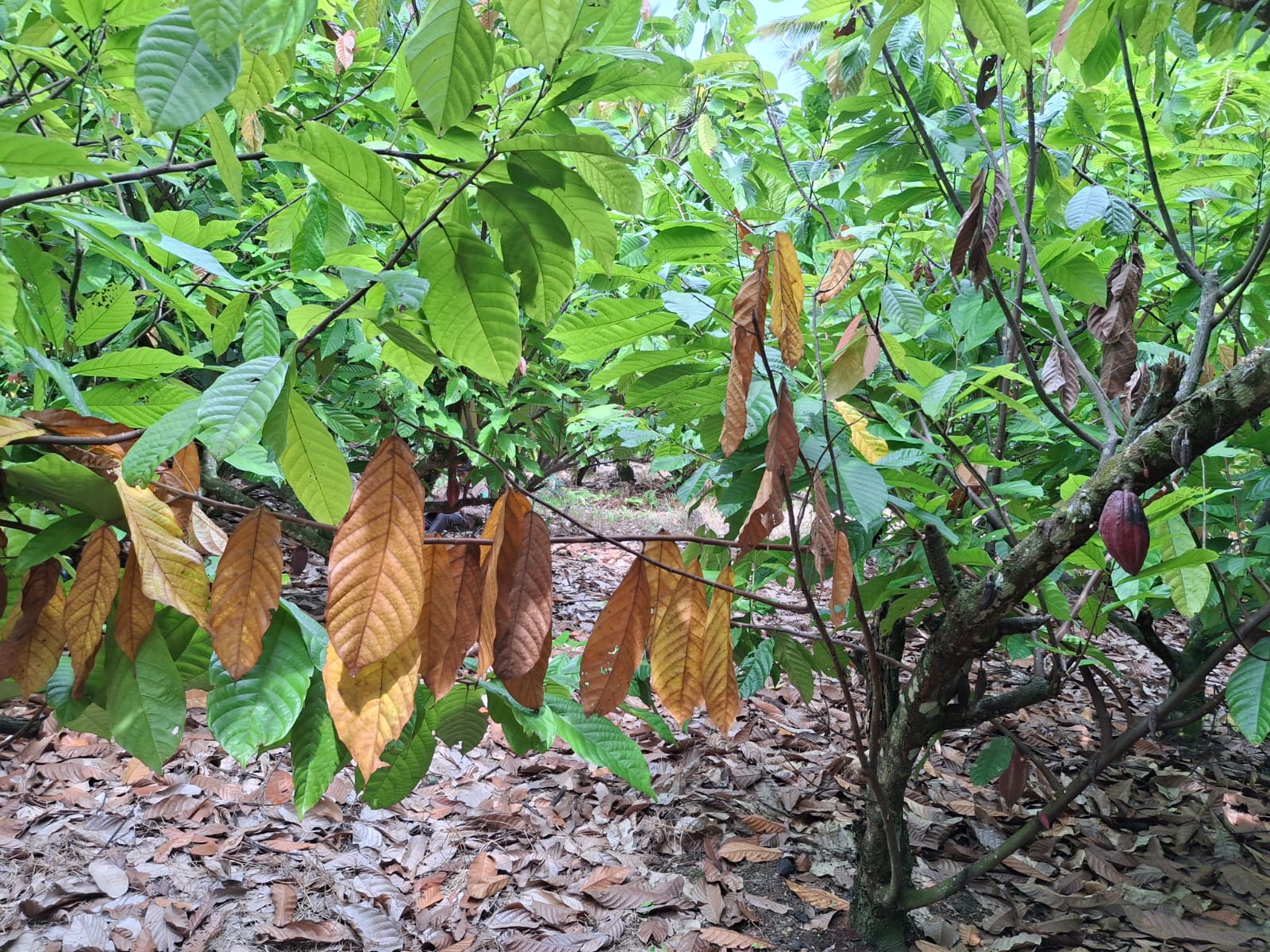
Description
This research project is funded under the Agriculture and Forestry Subject (AFS) scheme administered by the Institute for Research and Community Service of Hasanuddin University. The scheme supports multidisciplinary research across agriculture, forestry, fisheries, and animal science, focusing on generating innovative and applicable scientific outputs.
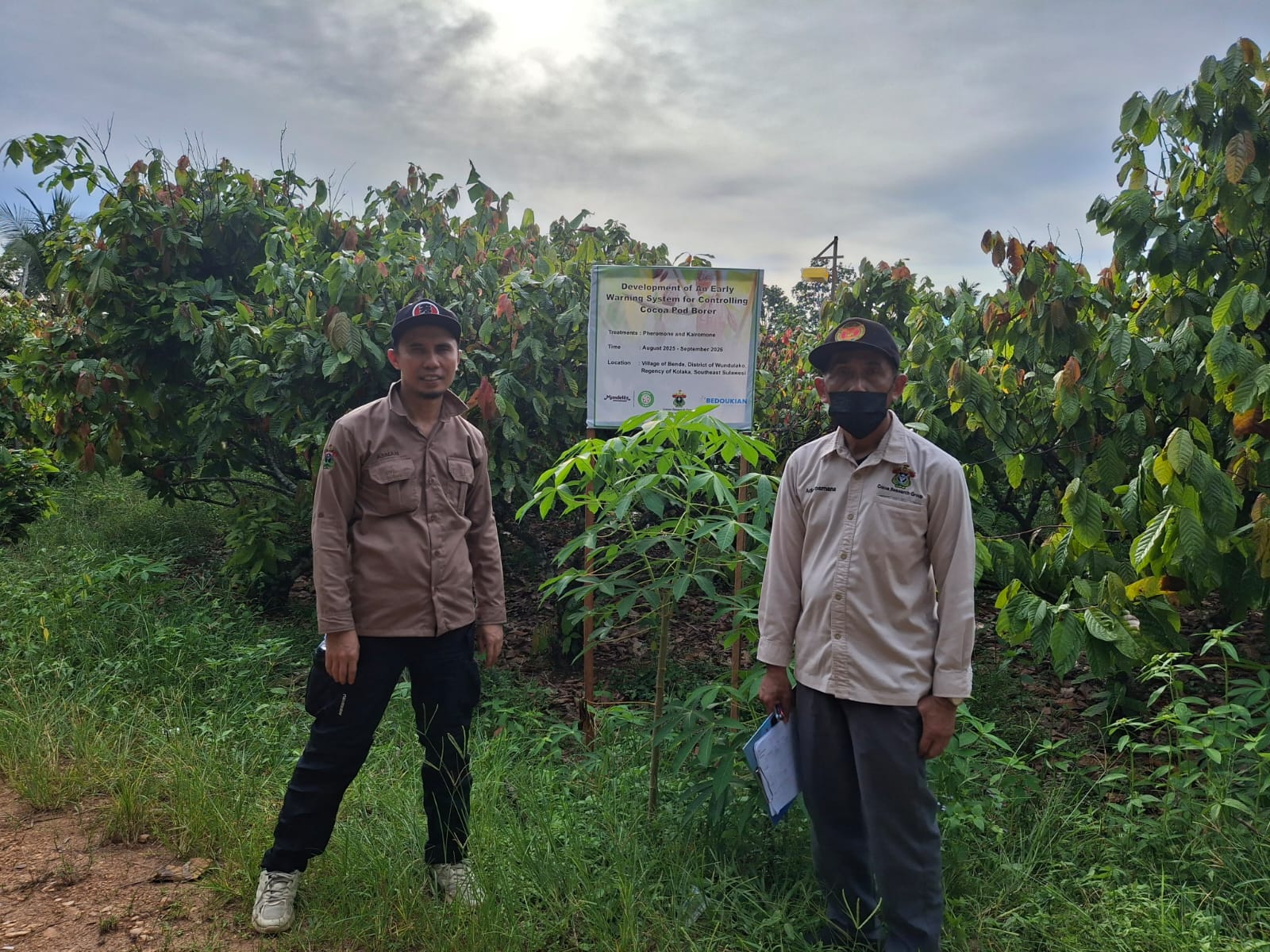
Description
The project was funded by Mondelēz Global LLC, and the area of the project is Kolaka, Southeast Sulawesi.
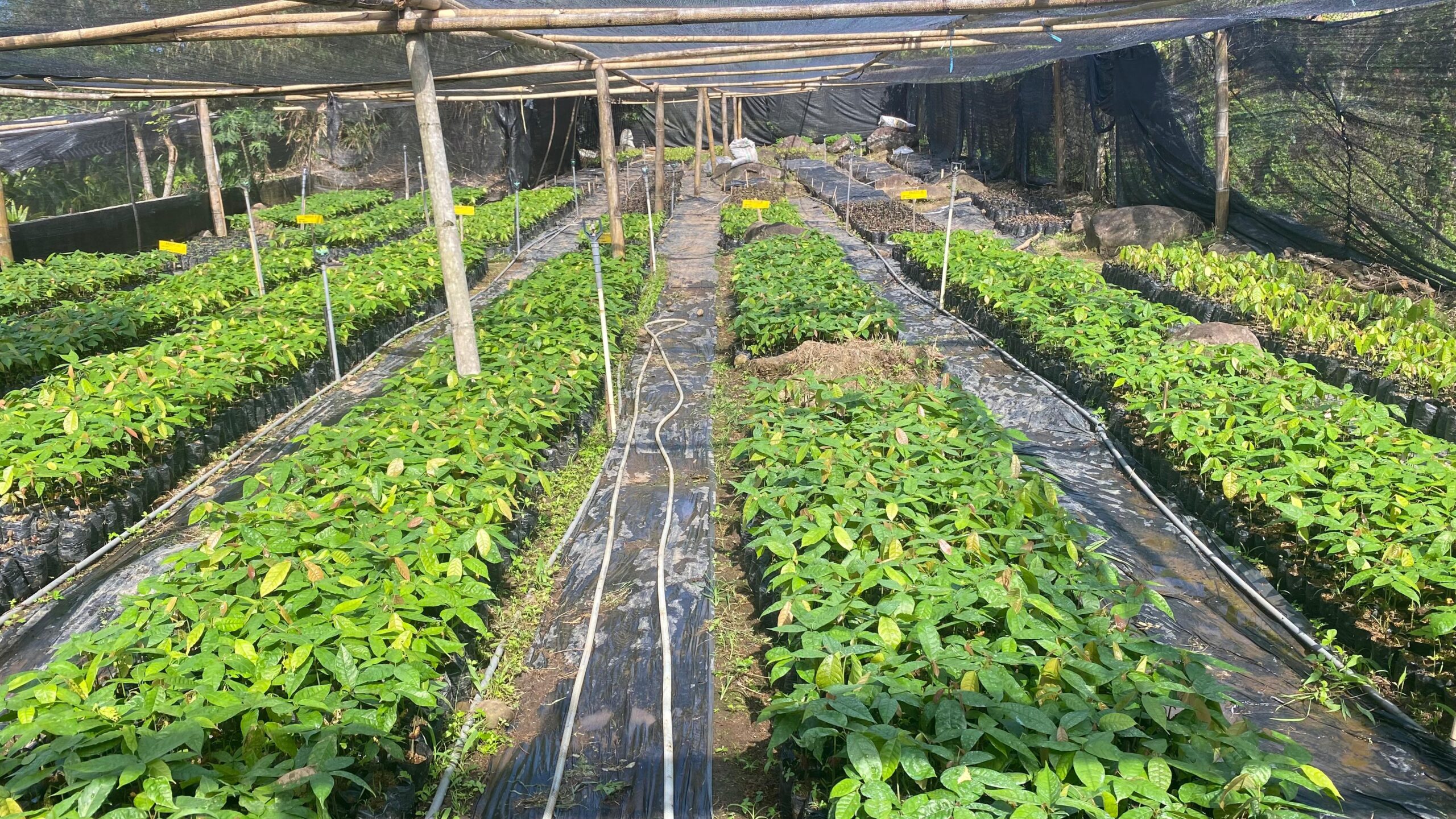
Description
This research project is part of a formal collaboration between the Department of Agriculture of Bantaeng Regency and the Faculty of Agriculture, Hasanuddin University, focusing on strengthening cocoa production through science-based assistance and capacity building. The program is designed as an integrated effort to improve cocoa quality, increase productivity, and enhance farmers’ livelihoods through sustainable agricultural practices.
According to the cooperation agreement , the project emphasizes a participatory and multidisciplinary approach that combines technical assistance, applied research, and institutional strengthening. The main objective is to optimize cocoa farming systems in Bantaeng Regency by integrating scientific knowledge, innovation, and local farmer experience. This includes improving cultivation techniques, enhancing post-harvest handling, and introducing technology-based solutions to address key challenges in cocoa production.
The scope of activities within this research project is comprehensive. It includes technical mentoring for farmers on best practices in cocoa cultivation, such as seed selection, planting, maintenance, pest and disease control (including Cocoa Pod Borer and Phytophthora), and post-harvest processing methods like fermentation and drying. In addition, demonstration plots (demplot) are established to showcase innovative technologies and serve as learning sites for farmers. These activities are further supported by land mapping to identify priority development areas and improve planning efficiency.
From a research perspective, the project involves soil and climate analysis to develop site-specific recommendations for fertilization and irrigation. It also includes adaptive trials of superior cocoa varieties suited to local agroecosystems, as well as applied research to increase the added value of cocoa products, such as processed chocolate and cocoa butter. These research components aim to generate evidence-based solutions that can be directly implemented by farmers and stakeholders.
Institutional strengthening is another key component of the project. Farmers’ groups are supported in improving farm management practices, accessing financial resources, and building market linkages with processing industries. The establishment of participatory cocoa field schools further enhances knowledge transfer and encourages continuous learning among farmers. Monitoring and evaluation are conducted regularly to assess progress, including productivity improvements, which are targeted to increase significantly compared to local averages.
Importantly, the collaboration is implemented within a defined timeframe of 7 (seven) months, starting from May to December 2025, ensuring that all planned activities are carried out systematically and evaluated within a measurable period . This time-bound framework allows both parties to monitor progress effectively and make necessary adjustments to achieve optimal outcomes.
The expected results of this research project include improved farmer capacity, increased cocoa productivity and quality, and the development of sustainable farming systems. Additionally, the project aims to produce scientific publications, policy recommendations, and dissemination materials to support regional agricultural development.
Overall, this initiative represents a strategic collaboration between academia and local government in addressing agricultural challenges. By integrating research, education, and community engagement, the project not only strengthens the cocoa sector in Bantaeng Regency but also contributes to long-term rural development and economic resilience.