
Justice in the Age of Algorithms: Revolutionizing Cybercrime Forensics with AI

GOWA, Indonesia Apr 24 2026/CDM/ – In our hyper-connected era, the digital landscape has transformed into a vast expanse where both innovation and illicit activities flourish. Cybercrime, which encompasses everything from digital fraud and defamation to the dissemination of harmful content, has become a significant challenge for global security. Traditional methods of forensic investigation are often overwhelmed by the sheer volume and complexity of digital data. However, a groundbreaking study offers a new beacon of hope. Titled “OPTIMIZING DIGITAL EVIDENCE ANALYSIS USING COMPREHENSIVE MACHINE LEARNING IN CYBERCRIME FORENSICS,” this research was published in May 2025 within the prestigious journal ICIC Express Letters by ICIC International. This study introduces a sophisticated technological framework designed to help investigators navigate the murky waters of digital evidence with unprecedented accuracy.
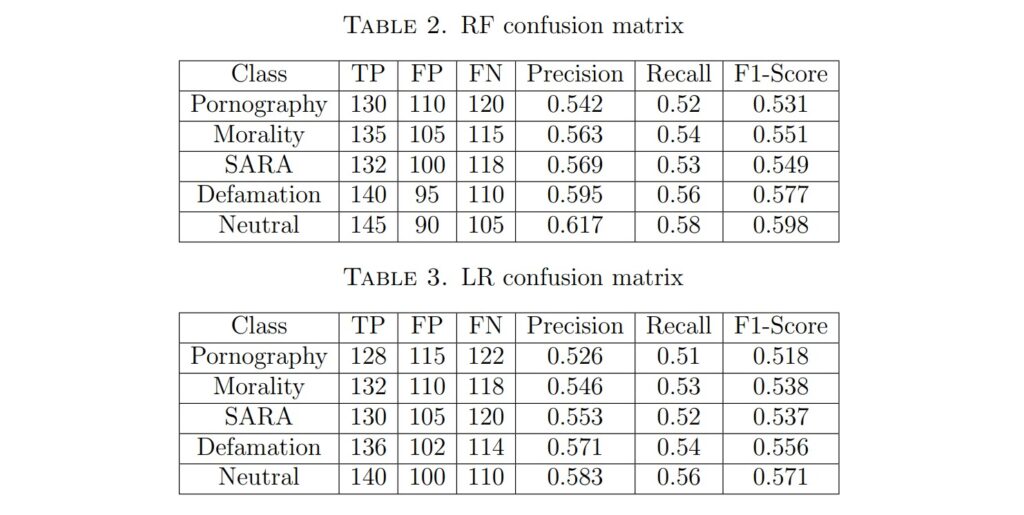
The core of this research focuses on the limitations of current forensic tools. Most existing systems rely on single-model artificial intelligence (AI), which can often be prone to “overfitting”—a phenomenon where the AI performs well on its training data but fails when faced with the unpredictability of real-world evidence. To address this, the authors proposed a “Hybrid Comprehensive Machine Learning (CML) Framework” that utilizes a “Soft-Voting Ensemble” mechanism. Instead of relying on a single algorithm, the researchers combined the unique strengths of four distinct machine learning families: Random Forest, Support Vector Machines (SVM), Multi-Layer Perceptron (MLP), and Logistic Regression.
By mathematically aggregating the probabilities from these diverse algorithms, the system creates a more stable and reliable decision-making process. The framework was specifically tested against a variety of challenging cybercrime categories, including pornography, defamation, and SARA (hate speech involving ethnicity, religion, or race). Interestingly, the system was meticulously tailored to handle the linguistic nuances of the Indonesian legal context, bridging a critical gap in non-English forensic analysis.
This research and the resulting technological advancement align perfectly with Sustainable Development Goal 17: Partnerships for the Goals. The fight against cybercrime cannot be won by any single nation or organization in isolation. By creating a standardized, high-performance forensic framework, this study encourages collaborative partnerships between the technology sector and legal institutions. It provides a blueprint for international cooperation, allowing different jurisdictions to share a robust, data-driven methodology for evidence analysis. This spirit of partnership is essential for building the resilient digital infrastructure required to achieve global peace and security.
Ultimately, the study found that the Hybrid Ensemble approach significantly outperformed individual classifiers. It successfully balanced “precision”—the accuracy of identification—with “recall”—the ability to catch as many criminal instances as possible. As we look toward the future, such innovations remind us that while technology may create new risks, it also provides us with the powerful “digital eyes” needed to protect society and ensure justice in the virtual world.
Reference
DOI:
https://doi.org/10.24507/icicelb.17.05.467
Contact:
Prof. Dr. Ir. Amil Ahmad Ilham, S.T., M.IT
+62 853-9883-1853
amil@unhas.ac.id