


MAKASSAR, Indonesia, 2026 – Rice is more than just a staple food in Indonesia. For millions of people, it represents food security, livelihoods, and everyday life. But what happens when the water used to grow rice carries a hidden pollutant from nearby mining activities? In Pesouha Village, Pomalaa District, Kolaka Regency, Southeast Sulawesi, researchers have found a worrying connection between acid mine drainage (AMD), iron accumulation, and rice quality. A recent study titled “Iron Accumulation in Paddy Soils and Rice Grains Exposed to Acid Mine Drainage and Its Association with Rice Quality in Kolaka Regency, Southeast Sulawesi, Indonesia,” published in Ecological Engineering and Environmental Technology by Polskie Towarzystwo Inzynierii Ekologicznej, investigated how iron from mining-affected water accumulates in paddy soils and rice grains. The article is listed for Volume 27, No. 9 (in progress).
What Happens When Mining Water Reaches Rice Fields?
Nickel mining can generate acid mine drainage, a type of acidic water formed when mining materials react with oxygen and water. This process can release metals and sulfate into surrounding water systems. When AMD enters agricultural irrigation channels, it can change soil conditions and increase the availability of metals such as iron. Under the flooded and acidic conditions commonly found in rice fields, iron can become more soluble and easier for rice roots to absorb.
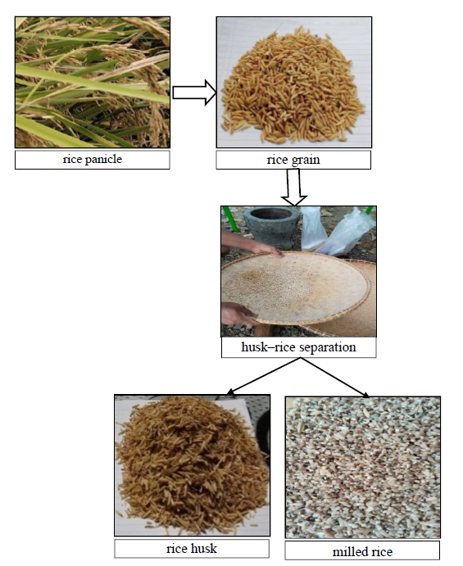
What Did the Researchers Discover? The researchers compared four locations at increasing distances from an AMD-affected irrigation channel: 200 meters, 500 meters, 2 kilometers, and a 4-kilometer uncontaminated control site. The results revealed substantial iron accumulation in the soil. Soil iron concentrations ranged from 1.19 to 3.10 mg/kg, exceeding the 0.5 mg/kg threshold cited in the study. Even more concerning, iron concentrations in rice grains reached 156 mg/kg at the site closest to the contaminated irrigation channel. Other locations recorded 66.67, 50.13, and 115 mg/kg, respectively. The rice plants growing in contaminated areas also showed visible signs of stress, including leaf chlorosis, stunted growth, poor root development, and reduced panicle formation. Meanwhile, rice from the uncontaminated site showed the healthiest growth and the highest grain quality score.
Why Does This Matter for Food Security?
Iron is an essential nutrient for plants, but too much iron can become toxic. Excessive iron can interfere with nutrient uptake and plant physiological processes, potentially affecting crop development and grain quality. This means that protecting agricultural water is also part of protecting the food we produce.
Supporting SDG 2: Zero Hunger
This research directly supports Sustainable Development Goal (SDG) 2 – Zero Hunger, particularly the goal of achieving sustainable food production and improving agricultural productivity. Healthy rice production requires more than fertile soil. It also requires clean irrigation water and a safe agricultural environment.
Protecting Rice Starts with Protecting the Water
The findings highlight the importance of continuously monitoring irrigation water and agricultural soils near mining areas. The researchers also emphasize that the results are preliminary and require further investigation using more sampling locations and stronger spatial replication. For communities living alongside mining and agriculture, the message is clear: protecting water means protecting soil, crops, and ultimately the food on our tables.
Reference
url:
url: https://www.ecoeet.com/Iron-accumulation-in-paddy-soils-and-rice-grains-exposed-to-acid-mine-drainage-and,226003,0,2.html (in progress)
Contact:
Prof. Fahruddin
+62 853-4264-9190
fahruddin_science@unhas.ac.id