


MAKASSAR, Indonesia, Apr 2026 – Deep inside a cave, life still finds a way. Hidden among rocks and soil are microorganisms that have adapted to one of the most challenging environments on Earth. Some may produce substances that can stop harmful bacteria from growing. A recent study titled “Antibacterial Potential of Cave-Dwelling Bacteria from the Maros-Pangkep Karst Area, Indonesia: Isolation, Characterization, and Identification of Bioactive Compounds,” published in the Journal of Pure and Applied Microbiology on March 9, 2026, explored bacteria living in caves across the Maros-Pangkep karst region of South Sulawesi.
Why Look Inside a Cave?
Antibiotic resistance is making bacterial infections increasingly difficult to treat. As bacteria become resistant to existing medicines, scientists are searching for new sources of antibacterial compounds. Caves offer an unusual environment for this search. Their darkness, high humidity, limited nutrients, and distinctive mineral conditions can encourage microorganisms to develop special survival strategies and chemical compounds. The researchers collected soil samples from three caves—Leang Jarie, Leang Ulu Wae, and Leang Kassi. Together, they provide a window into microbial diversity in the Maros-Pangkep karst ecosystem.
What Did the Researchers Discover?
The team isolated six bacterial isolates that showed preliminary antibacterial activity against two important human pathogens: Staphylococcus aureus and Escherichia coli. The activity was observed through clear zones where bacterial growth was inhibited, suggesting that the cave bacteria produced substances capable of interfering with pathogen growth.
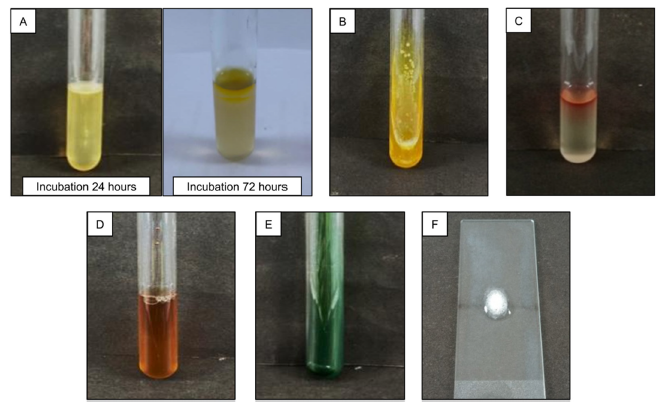
One isolate, coded LU₃, attracted particular attention. Molecular analysis based on the 16S rRNA gene identified it within the genus Exiguobacterium, showing 98.11% similarity with several Exiguobacterium species. The researchers then examined its chemical profile using gas chromatography-mass spectrometry (GC-MS). The analysis tentatively identified several compounds, including Cyclo(L-prolyl-L-valine) and Pyrrolo[1,2-a]pyrazine-1,4-dione derivatives. Molecular docking simulations suggested that these compounds could interact favorably with bacterial penicillin-binding proteins, potential antibacterial targets. However, these are preliminary findings. The study did not establish MIC or MBC values, and the predicted molecular interactions require further laboratory and in vivo validation.
Why Does This Matter?
The discovery highlights the Maros-Pangkep karst area as more than a geological landscape. Its caves may also be reservoirs of microbial diversity with potential value for biotechnology and drug discovery.
Supporting SDG 3: Good Health and Well-being.
This research contributes to Sustainable Development Goal (SDG) 3 – Good Health and Well-being, particularly efforts to address antimicrobial resistance. Exploring natural microbial resources may help expand the search for future antibacterial agents. Protecting these ecosystems is equally important. The microbes living in caves are part of a unique biological heritage. Their value may not only lie in what they are today, but also in what they could teach us tomorrow.
Reference
DOI:
https://doi.org/10.22207/JPAM.20.1.62
Contact:
Prof. Fahruddin
+62 853-4264-9190
fahruddin_science@unhas.ac.id