

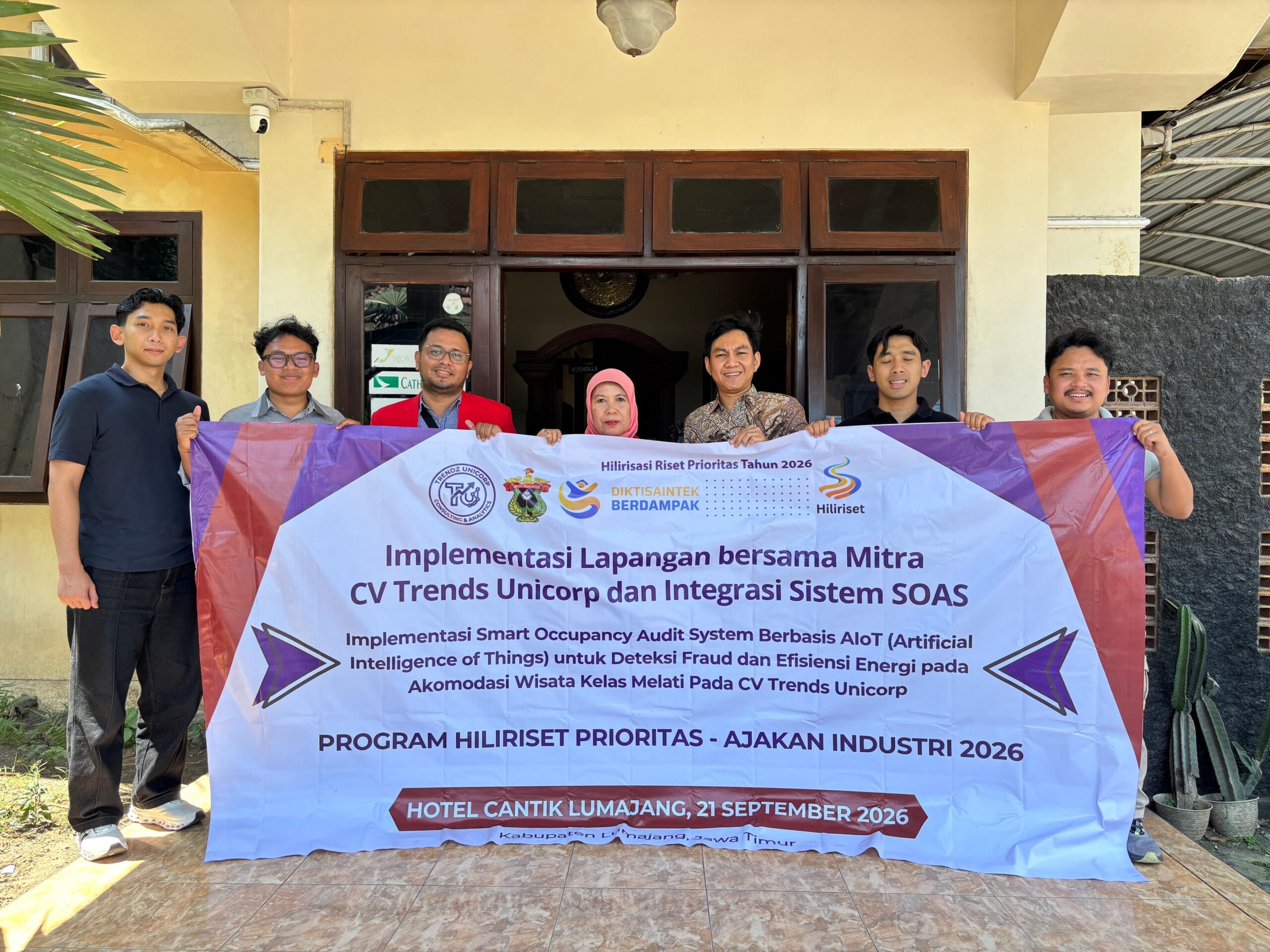

Lumajang, East Java, Indonesia/21 September 2026. The implementation of the Smart Occupancy Audit System (SOAS) entered an important field-testing phase through a collaborative activity between the research team and CV. Trendz Unicorp. The activity, entitled “Field Implementation with CV. Trendz Unicorp and SOAS System Integration,” was conducted at Hotel Cantik, Lumajang Regency, East Java, on 21 September 2026. The activity involved 7 participants representing the research and industry collaboration team.
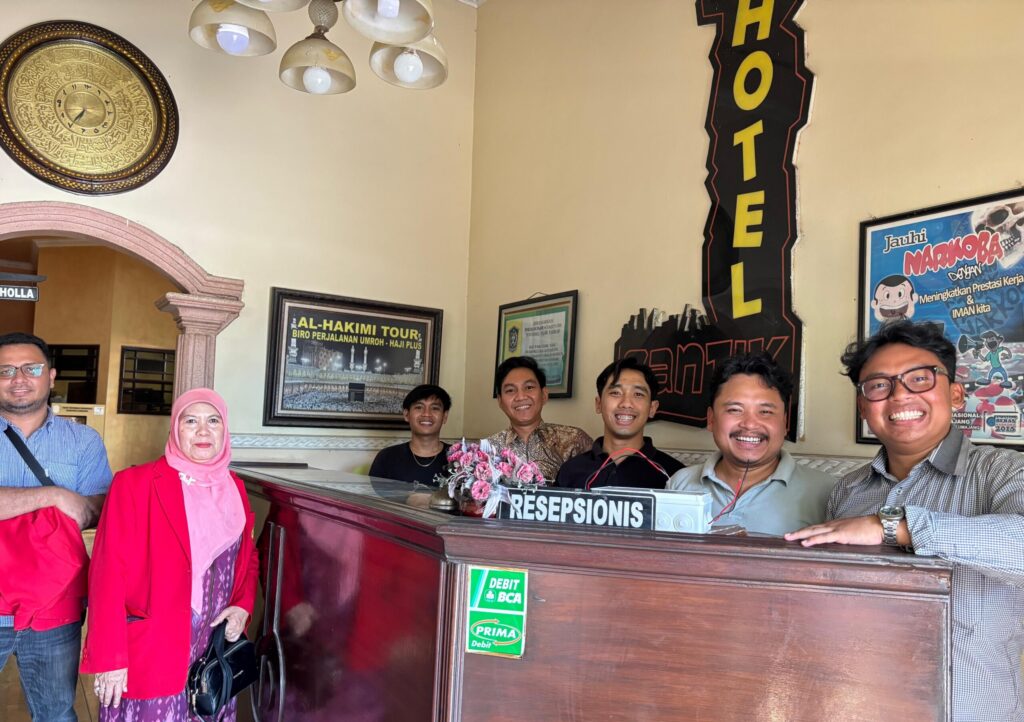
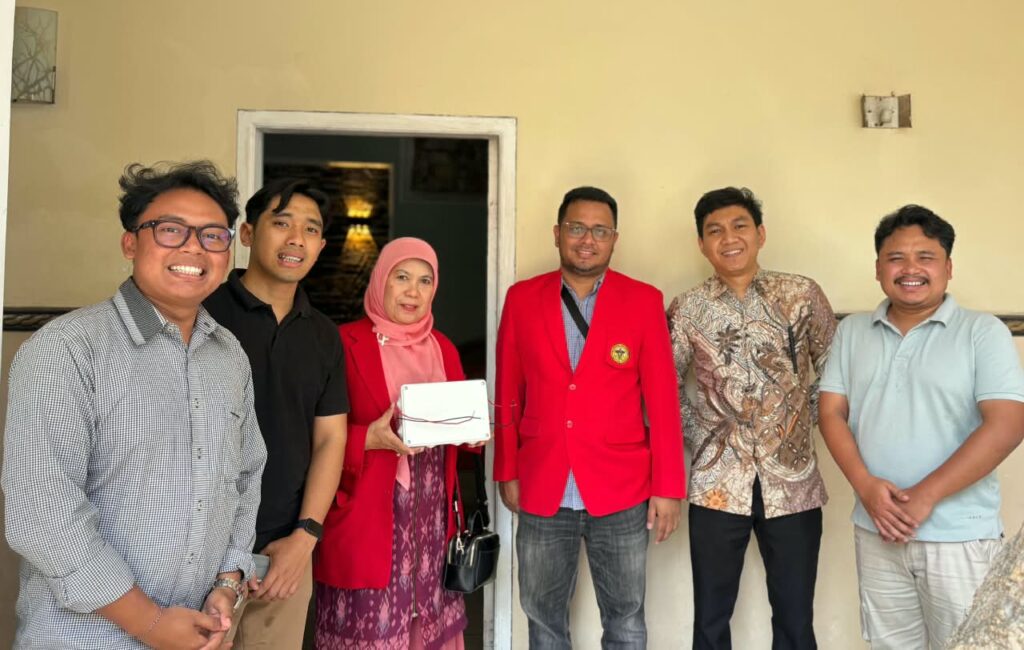
The primary objective of this activity was to install and integrate the SOAS equipment at Hotel Cantik as a real-world testing environment. The field implementation was designed to examine how the system could identify occupancy-related irregularities and potential fraud while simultaneously supporting efforts to improve energy efficiency. By moving the technology from a controlled development environment into an operational hospitality setting, the research team was able to assess the practical performance of the system under actual field conditions.
During the activity, the team carried out the installation of SOAS equipment and conducted an initial integration process between the system components. The implementation focused on ensuring that the installed devices could collect and process relevant occupancy and energy-related information effectively. The system was also examined in relation to the operational conditions of the hotel, particularly its ability to provide information that could support the verification of room occupancy and the identification of potential discrepancies between reported occupancy and actual conditions.
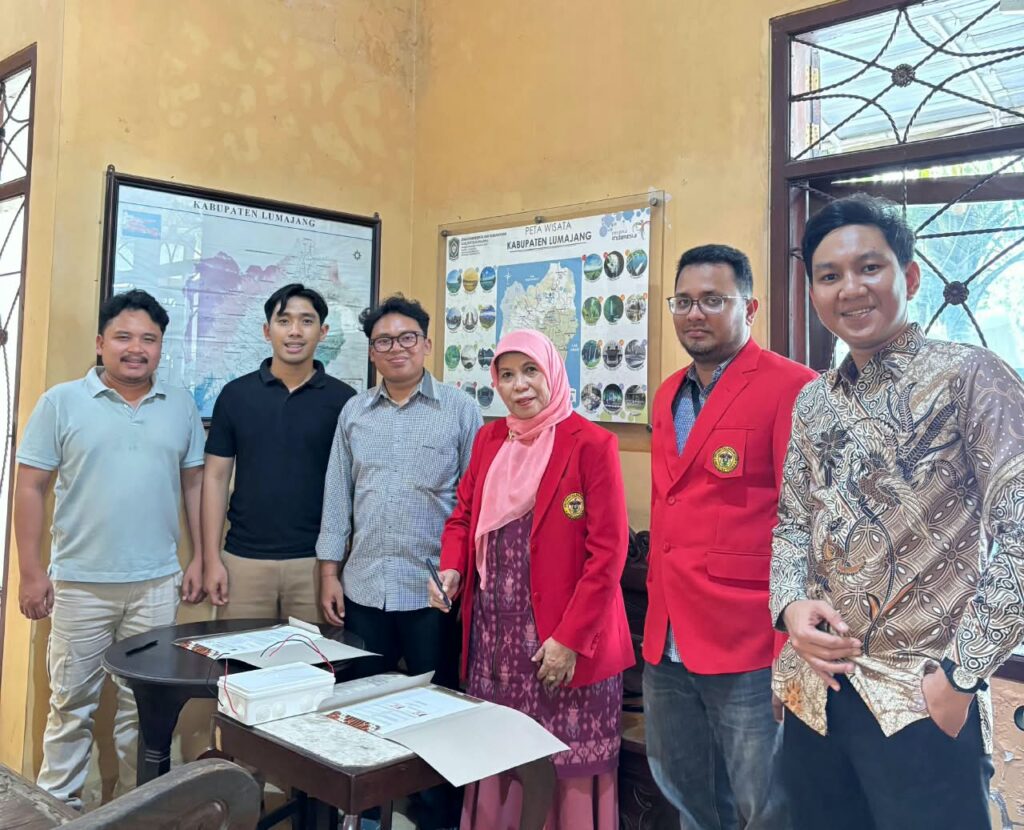
The field trial represents an important step in the development of technology-based auditing for the hospitality sector. SOAS is designed to combine smart sensing, artificial intelligence, and Internet of Things (AIoT) technologies to provide a more systematic approach to occupancy auditing. Beyond fraud detection, the system has the potential to contribute to more efficient energy use by providing information that can help identify patterns of room utilization and energy consumption. Such an approach supports the broader development of technology-enabled and data-driven hospitality management.
This activity also demonstrates the importance of SDG 17: Partnerships for the Goals. The collaboration between the academic research team and CV. Trendz Unicorp provides a practical mechanism for transforming research and technological innovation into solutions that can be tested and refined in real operational environments. Through this partnership, academic knowledge, technological expertise, and industry experience can be integrated to address practical challenges in the hospitality sector.
The implementation at Hotel Cantik therefore represents more than an equipment installation. It is part of a continuing process of technology validation, knowledge transfer, and industry–academia collaboration. The findings and observations obtained during the field trial will serve as valuable inputs for further system improvement, operational refinement, and subsequent testing. Through sustained collaboration, SOAS is expected to contribute to the development of smarter, more transparent, and more efficient hospitality operations while strengthening the connection between research innovation and real-world industry needs.
Contact:
Mediaty
+6285242070144
mediaty@unhas.ac.id