Description
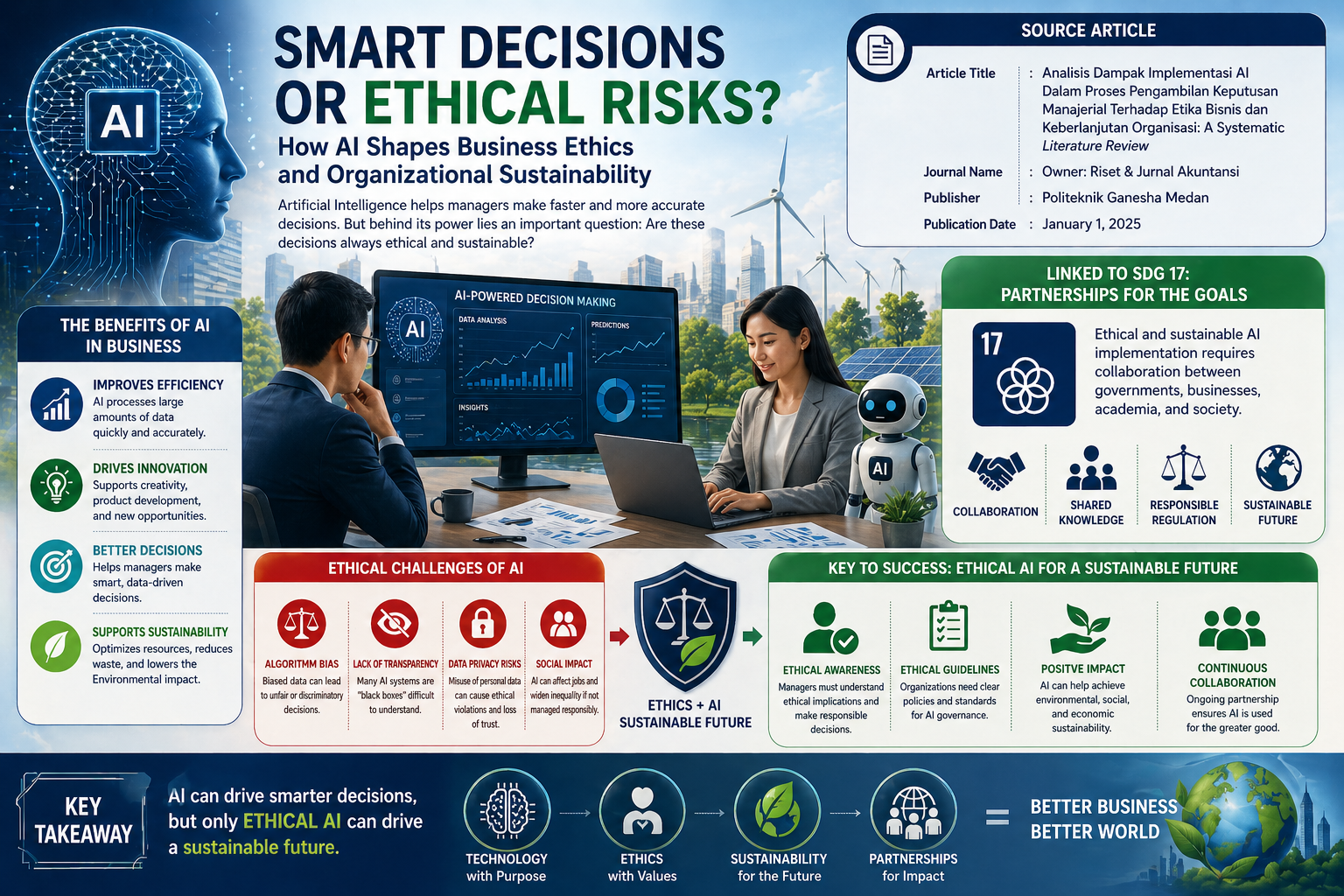
Indonesia, January 1, 2025. In today’s digital age, artificial intelligence (AI) is no longer just a futuristic concept it is a powerful tool shaping how businesses make decisions. From predicting market trends to optimizing operations, AI helps managers make faster and more accurate choices. But behind this technological advantage lies an important question: are these decisions always ethical and sustainable?
A study published in Owner: Riset & Jurnal Akuntansi by Politeknik Ganesha Medan, titled “Analisis Dampak Implementasi AI Dalam Proses Pengambilan Keputusan Manajerial Terhadap Etika Bisnis dan Keberlanjutan Organisasi: A Systematic Literature Review”, and released on January 1, 2025, provides valuable insights into this issue. The research systematically reviews studies from 2021 to 2024, exploring how AI influences managerial decision-making, business ethics, and organizational sustainability.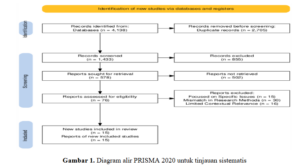

Description
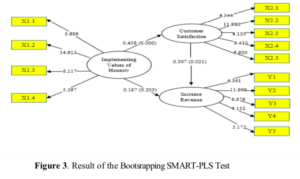
In Makassar, South Sulawesi, Indonesa, 10 January 2025/APM, in today’s hyper-connected digital world, customers are no longer just buying products; they are buying values. When expectations are met, customers are satisfied, but when they are exceeded through genuine integrity, something more powerful is created: loyalty. This dynamic is clearly seen in the recent study conducted at Chocolicious, a rapidly growing cake industry in Makassar.
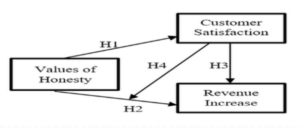
The research reveals a fascinating truth about modern business: honesty does not always lead directly to a fatter bank account, but it is the essential “secret ingredient” that makes everything else work. While the implementation of honesty values—such as guaranteed halal ingredients, transparent product descriptions, and sincere employee service—may not immediately spike revenue, it significantly boosts customer satisfaction.
Description
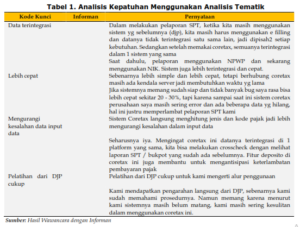
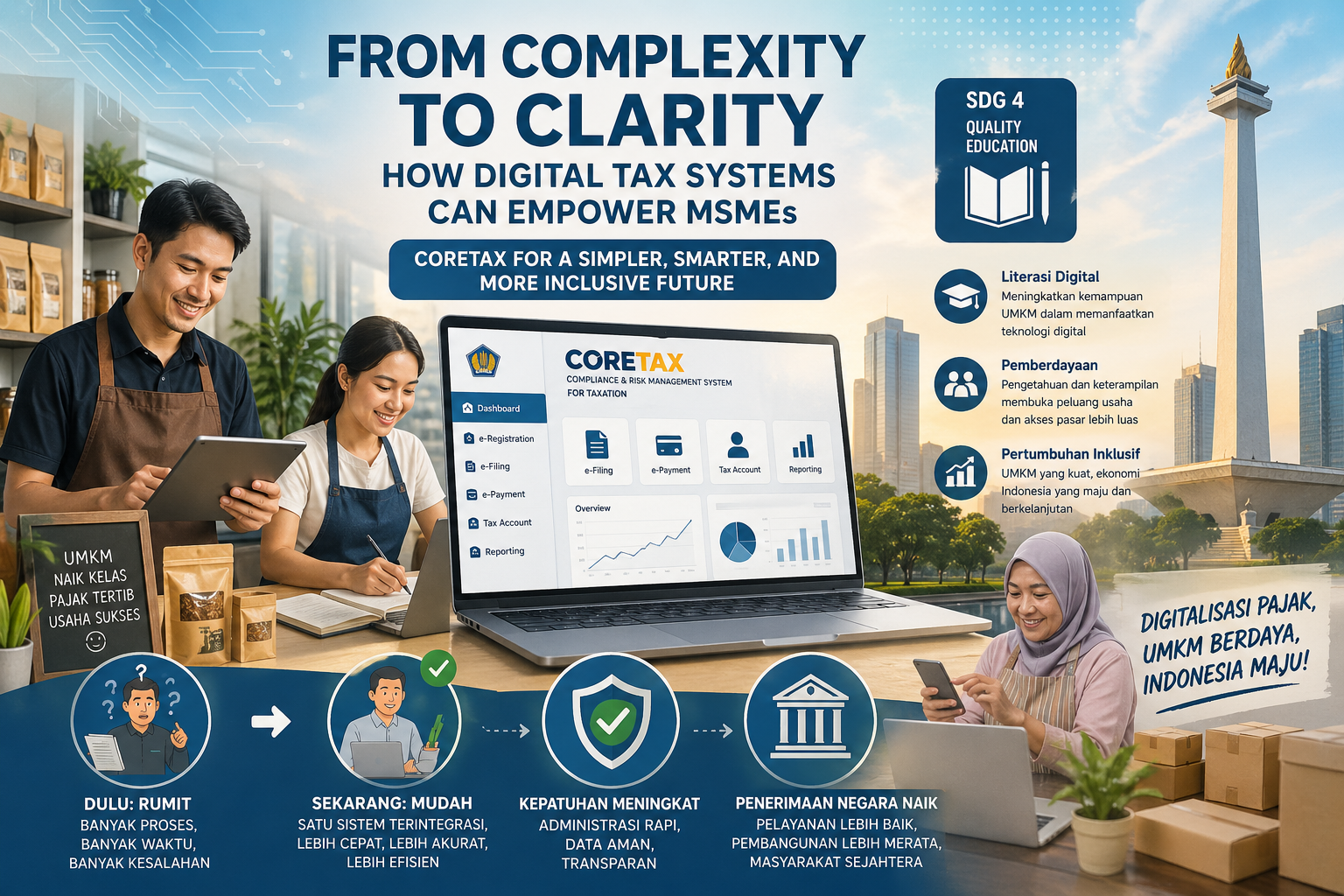
Indonesia, October 31, 2025, In today’s fast-moving digital era, even taxation systems are undergoing technological transformation. For many businesses, especially micro, small, and medium enterprises (MSMEs), tax procedures have long been seen as complex and time-consuming. But what if digital systems could turn that burden into an opportunity?
A study published in Atestasi: Jurnal Ilmiah Akuntansi by jurnal.feb-umi.id reveals how the Coretax system in Indonesia is beginning to reshape the way MSMEs manage their tax obligations. The article titled “Digitalisasi Prosedur Pajak Melalui Coretax: Studi Kualitatif Tentang Tantangan dan Peluang Bagi Pengguna di Sektor UMKM” explores in depth both the potential and the real challenges of implementing digital tax systems among MSMEs.