A First Touch of Augmented Reality at the Al-Khaerat Orphanage
Augmented reality, or AR, places digital objects into the real world, so that a child can see a virtual animal standing on a real table or a model appear on a printed card. It is a technology that is easiest to understand by trying it, and yet many children never get the chance to touch it, especially those who grow up with limited access to new devices.
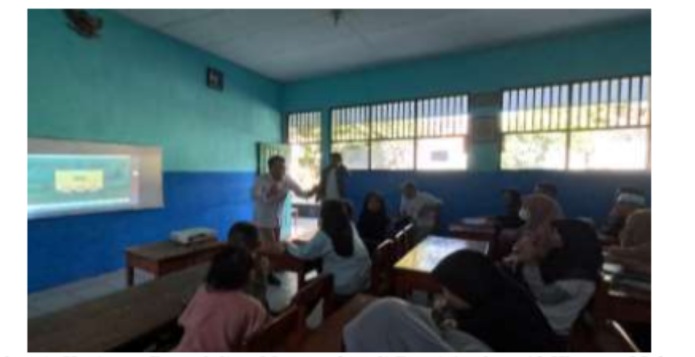
This community service activity brought AR to children at the Al-Khaerat Orphanage in Makassar. The aim was to build their basic understanding of the technology and spark their interest in it through hands-on experience with AR applications. Instead of only explaining what AR is, the team let the children use it themselves, which makes the idea much more concrete and memorable.
The program followed three stages: preparation, implementation, and evaluation. The evaluation was based on questionnaires and observation, so the team could look at both what the children said and how they behaved during the activity.
The results show an average improvement of 26% in understanding and an increase of up to 34% in interest in learning about AR. The authors conclude that introducing AR in an orphanage setting is educational and engaging, and that it can help the children develop skills that may be useful in their future.
This work connects to Sustainable Development Goal 4 (SDG 4): Quality Education. Giving children hands-on contact with new technology is a way to widen who gets to learn about it, and it helps ensure that access to modern skills does not depend on a child’s circumstances.
Ultimately, this activity shows that curiosity can be sparked by a single hands-on experience. For the children at Al-Khaerat, a first touch of augmented reality may be the beginning of a larger interest in technology.
Metadata:
Judul article: Pengenalan Augmented Reality pada Panti Asuhan Al-Khaerat Makassar
Nama jurnal: SIPISSANGNGI Jurnal Pengabdian Kepada Masyarakat
Penerbit: Universitas Muhammadiyah Parepare
Tanggal publish: March 2025
Tautan / Link: https://doi.org/10.35329/jurnal.v5i1.5820
Contact:
Prof. Dr. Ir. Indrabayu, S.T., M.T., M.Bus.Sys., IPM., ASEAN.Eng
0811447755
indrabayu@unhas.ac.id