Safer, Smarter Classrooms: Digital Literacy Training for Teachers and Students at SMP Negeri 4 Polewali
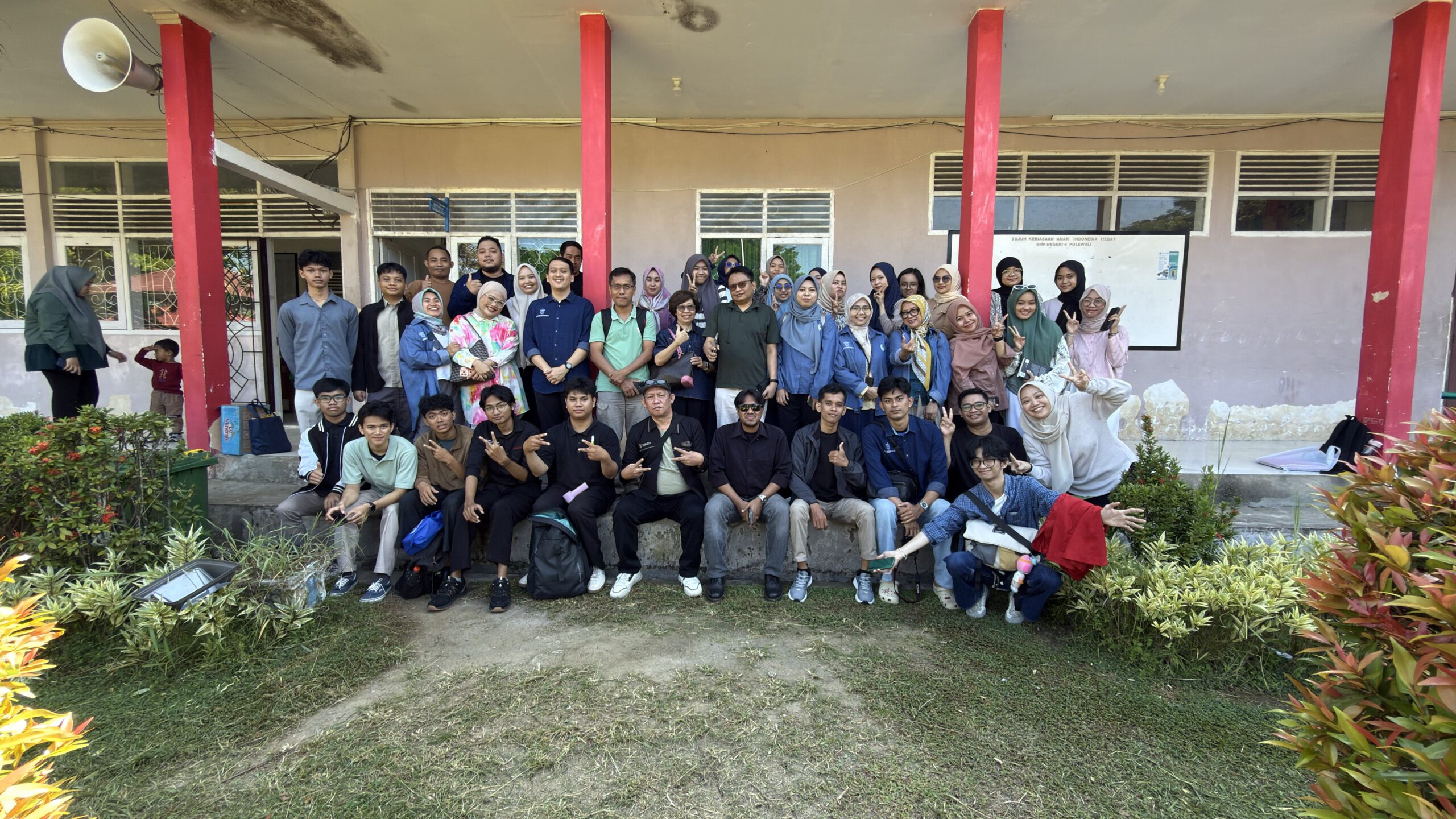
Phones, apps, and AI tools are already part of school life, but knowing how to use them safely is a separate skill. On 17 April 2026, the Department of Informatics at Universitas Hasanuddin brought a digital literacy program to SMP Negeri 4 Polewali, with teachers and students learning side by side.
The activity was a community service program held in two training sessions. Lecturers from the department delivered the material and led discussions. The topics covered digital literacy in education, the basics of cybersecurity, how artificial intelligence can be used in learning, common digital threats such as phishing and malware, and simple steps for protecting personal data.
Students from the department, from the undergraduate level up to the doctoral level, also took part. They ran technology demonstrations to show the school community how AI can help in learning, which turned the sessions from a talk into something people could see and try. Prof. Dr. Indrabayu, Head of the Department of Informatics, said the program is part of the university’s commitment to building human resource capacity in educational technology. He hopes it will encourage a safe, adaptive education ecosystem, and a change in behavior toward using technology more safely and responsibly. For undergraduate students, taking part in the program can be recognized as part of the Penguatan Kompetensi course (MKPK), so the activity also served as a learning experience for the students who joined the team.
This activity connects to Sustainable Development Goal 4: Quality Education. Teachers and students who understand digital tools, and their risks, are better prepared to use them well in the classroom. It also reflects Sustainable Development Goal 17: Partnerships for the Goals. The program brought university lecturers and students together with a local school to share knowledge.